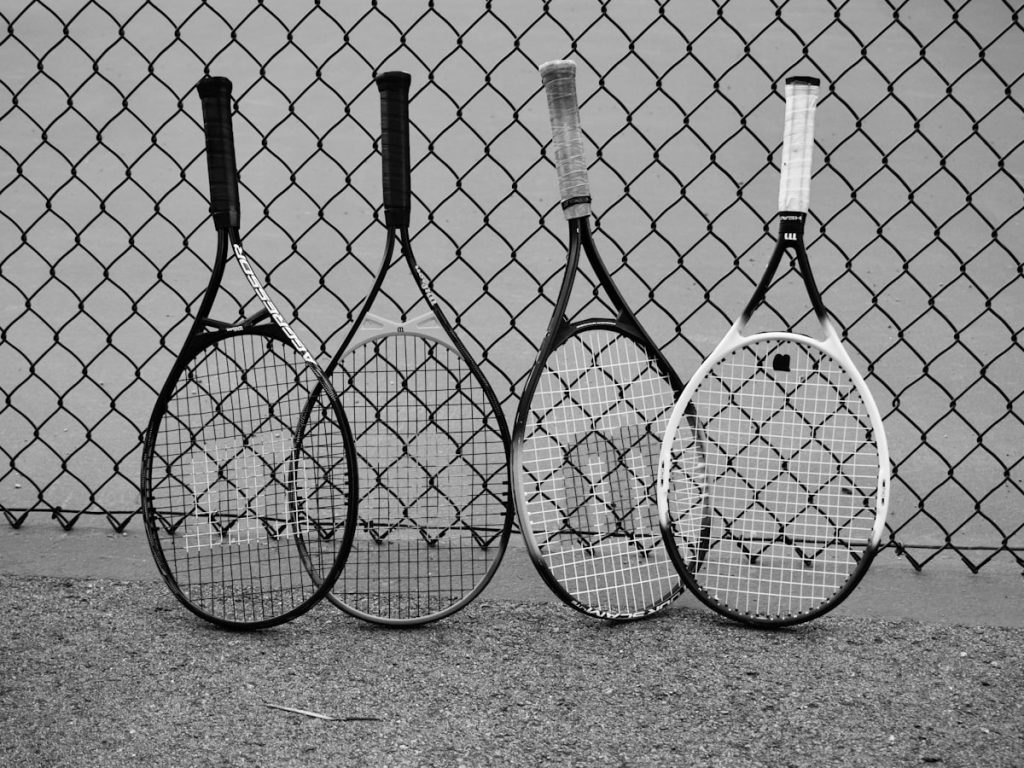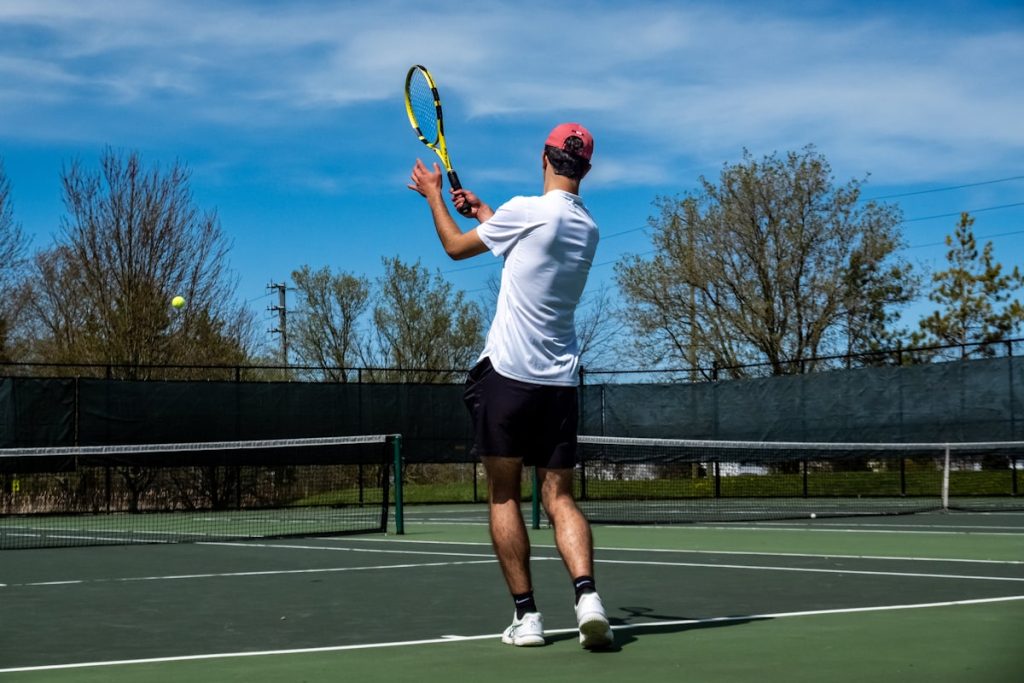
In the dynamic world of sports, safety stands as an essential pillar. The significance of sports safety equipment transcends mere gear; it's a shield against potential injuries, a safeguard ensuring athletes can push their limits without compromising well-being. This blog aims to shed light on the paramount importance of utilizing proper sports gear.
By exploring how appropriate equipment significantly minimizes injury risks, we'll emphasize the necessity of proactive measures in ensuring athletes' safety. Join us as we delve into the pivotal role that reliable sports safety equipment plays in preserving the health and performance of every athlete.
Understanding the Role of Sports Equipment in Injury Prevention

In the realm of sports, the choice of equipment stands as a pivotal determinant between safety and vulnerability. Inadequate gear poses a substantial risk, potentially resulting in a spectrum of injuries. Whether it's a lack of protective padding, substandard materials, or ill-fitting equipment, these shortcomings significantly increase the likelihood of accidents and harm.
The Link Between Equipment and Injuries
Injuries often stem from compromised or faulty gear. Sports demand swift movements and intense physical engagement, making appropriate equipment pivotal. Ill-fitting helmets or poorly cushioned pads can expose athletes to severe head traumas, fractures, or sprains. Understanding this correlation emphasizes the urgency for sports gear that meets safety standards and ensures proper protection in high-impact situations.
Essential Components of Safe Sports Equipment
Reliable sports gear comprises several key features vital in mitigating injury risks. From robust materials capable of withstanding impact to ergonomic designs that offer adequate support and protection, the functionality of each element contributes to an athlete's safety. Properly cushioned sports helmets, shock-absorbent padding, and sturdy footwear designed for specific activities exemplify the cornerstone of safe sports equipment.
Impact of Proper Equipment on Injury Rates
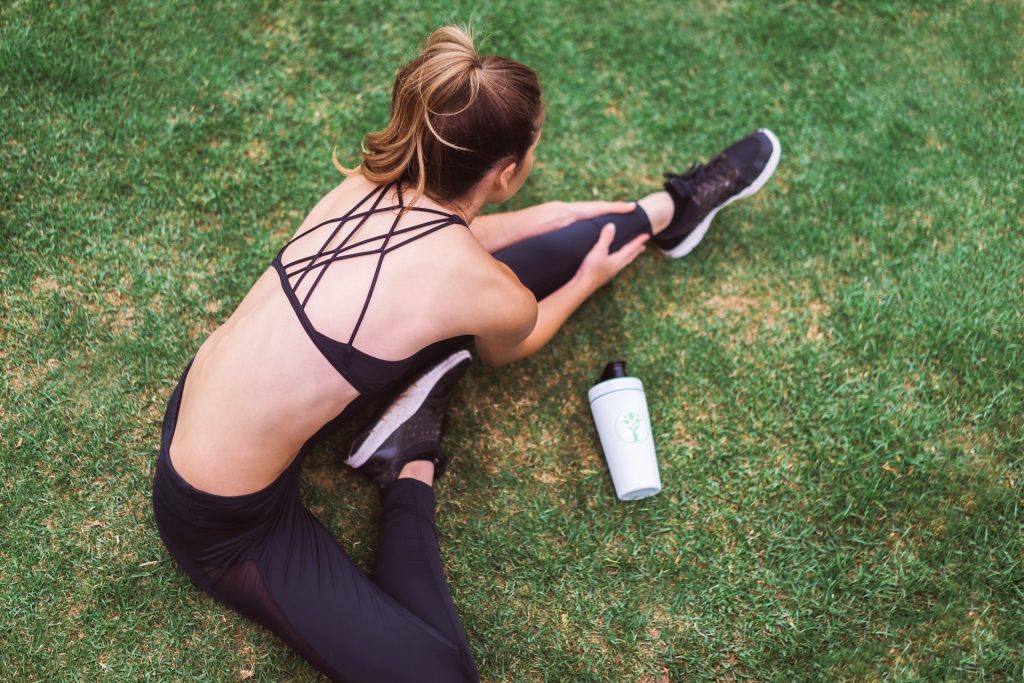
Statistics and studies consistently affirm the direct correlation between appropriate sports equipment and reduced injury rates. Research highlights a significant decline in severe injuries among athletes equipped with quality gear compared to those using inadequate or outdated equipment. This underscores the pivotal role of reliable sports gear in curbing injury occurrences, fostering safer sporting environments, and enhancing overall athlete well-being.
In conclusion, the intrinsic connection between sports equipment and injury prevention cannot be overstated. As athletes engage in high-energy activities, the significance of utilizing proper gear remains paramount. Quality equipment not only minimizes injury risks but also bolsters confidence, enabling athletes to perform at their peak while feeling secure and protected.
Understanding, advocating for, and investing in safe sports equipment is a proactive step towards fostering a culture of safety, resilience, and optimal performance in the realm of sports.
Types of Sports Equipment and Their Safety Features
When it comes to sports, the right gear isn't just about style—it's about safety. Understanding the nuances of various sports equipment and their safety features is pivotal in safeguarding athletes from potential injuries. Let's delve into the essential gear across different categories and explore how each contributes to injury prevention.
Helmets
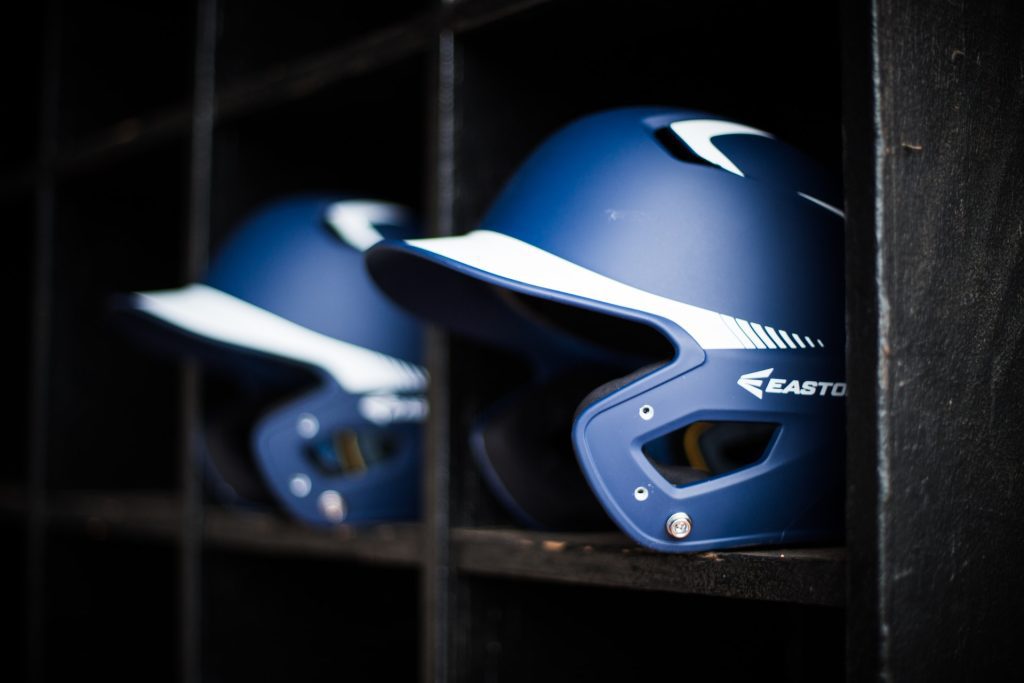
Helmets serve as a fundamental safety accessory across multiple sports, providing crucial protection for the head and brain. In contact sports like football or hockey, helmets act as a primary defense against concussions and head traumas. However, it's not merely about donning any helmet; the right one must meet safety standards and be sport-specific.
Look for helmets with impact-resistant materials, proper ventilation, and adjustable padding. Whether it's a cycling helmet with aerodynamic design or a football helmet with a sturdy face mask, choosing the correct helmet for a particular sport significantly reduces the risk of severe head injuries.
Protective Pads and Guards
Protective pads and guards are indispensable in mitigating the impact of collisions or falls during sports activities. Designed to cushion vulnerable areas like elbows, knees, shins, and wrists, these protective gears are vital in preventing fractures, bruises, and strains.
In sports such as basketball, volleyball, or skateboarding, knee and elbow pads are essential to shield joints against impacts. Meanwhile, shin guards are imperative in soccer to protect players from painful tackles. The flexibility, shock absorption, and coverage provided by these pads and guards significantly reduce injury severity, allowing athletes to perform with confidence.
Footwear
Footwear tailored to specific sports activities plays a crucial role in both performance and injury prevention. The right shoes offer stability, support, and traction, reducing the risk of slips, twists, or sprains. For instance, running shoes prioritize cushioning and shock absorption to minimize impact on joints during high-impact activities like running or jogging.
Basketball shoes focus on ankle support and traction for quick directional changes and jumps. Soccer cleats are designed for optimal grip on grass fields to prevent sliding injuries. Understanding the unique demands of each sport ensures choosing footwear that not only enhances performance but also safeguards against foot, ankle, and leg injuries.
In conclusion, investing in appropriate sports equipment with tailored safety features is a non-negotiable aspect of athletic participation. Helmets, protective pads, guards, and proper footwear are not just sports accessories but essential shields that protect athletes from potential injuries. By prioritizing gear that meets safety standards and aligns with the demands of specific sports, athletes can confidently pursue their passion while minimizing the risks associated with sports-related injuries. Remember, safety in sports begins with the right gear – so gear up right and play safe!
Proper Maintenance and Care of Sports Equipment
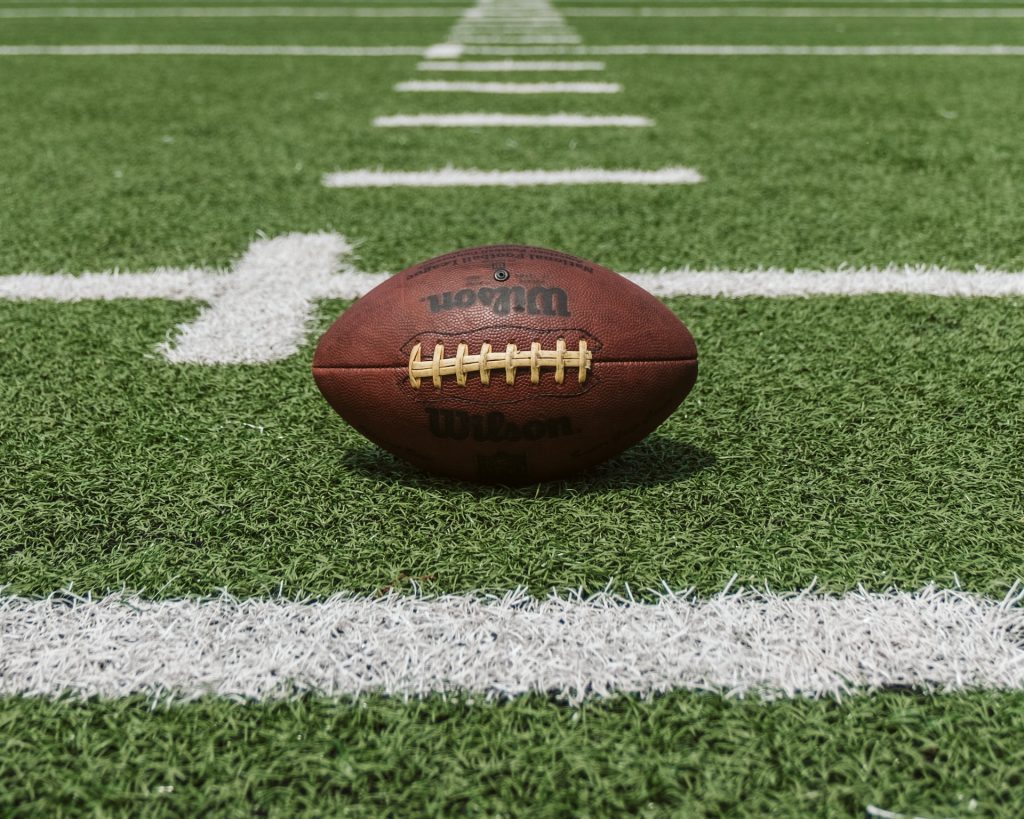
Maintaining sports equipment isn't just about longevity; it's about ensuring optimal performance and, more importantly, safety for athletes. Here's a comprehensive approach to upkeep that will keep your gear in top-notch condition.
Cleaning and Storage
Regularly cleaning sports equipment is crucial in preventing the buildup of dirt, sweat, and bacteria that can compromise both functionality and hygiene. Use mild soaps or specialized cleaners recommended for specific gear to remove grime. Allow equipment to dry thoroughly before storage to prevent mold or odor. Proper storage, away from direct sunlight and moisture, also helps prolong the lifespan of sports gear. Consider hanging items to maintain their shape and functionality.
Regular Inspection and Replacement
Frequent inspection of sports equipment is paramount. Check for signs of wear, tear, or damage, such as frayed straps, dents, or loose parts. Replace worn-out or damaged equipment promptly to avoid safety hazards. Even seemingly minor issues can escalate during use and compromise the gear's effectiveness. A proactive approach to regular maintenance and timely replacement ensures athletes can rely on their equipment for optimal performance while reducing the risk of potential injuries.
In conclusion, proper maintenance and care of sports equipment aren't just good practices; they're essential habits that promote durability, performance, and, most importantly, safety. By incorporating these practices into routine care, athletes can maximize the lifespan and effectiveness of their gear, enabling them to focus on their game without worrying about equipment-related setbacks.
The Psychological Impact of Feeling Safe with Equipment
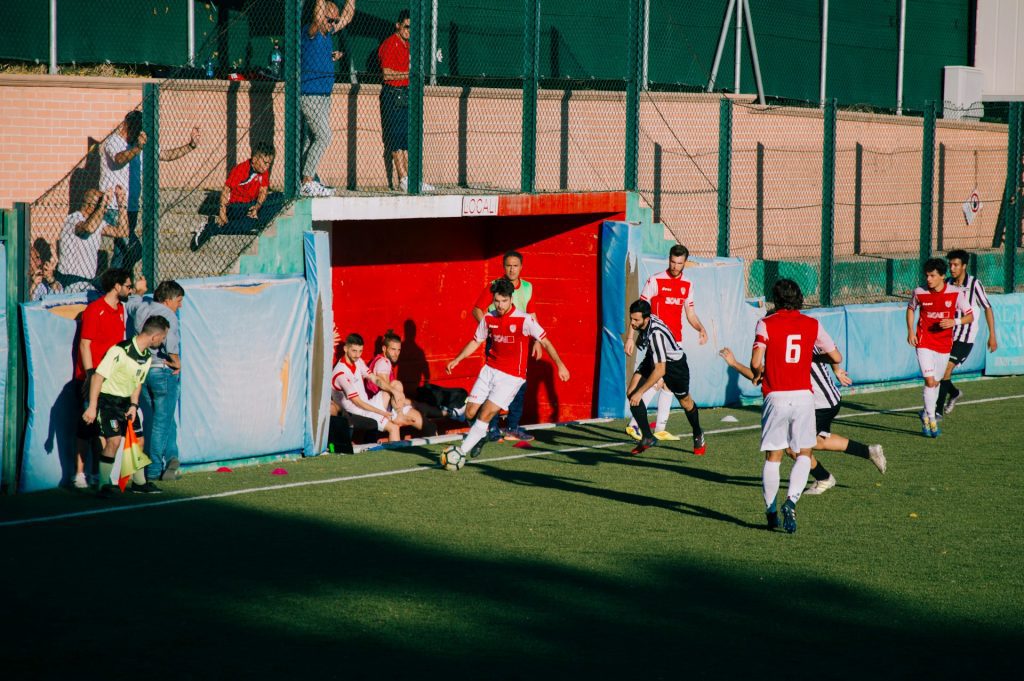
Beyond physical protection, the right sports equipment holds a profound psychological influence on athletes, fostering a sense of security that transcends the field or court.
Confidence Boost
Properly fitting and reliable gear instills a profound sense of confidence in athletes. Knowing they're equipped with the right tools to handle the game's demands empowers athletes to perform at their best. This confidence extends beyond skill— it's a mental reassurance that positively impacts their overall performance.
Peace of Mind
Feeling secure with the right equipment translates into mental peace. Athletes can focus on their game without the distraction of worrying about potential injuries. This mental clarity allows them to immerse themselves fully in the sport, enhancing their focus and enabling them to execute skills more effectively.
In essence, the psychological impact of feeling safe with sports equipment goes far beyond physical protection. It's a catalyst for confidence and peace of mind, allowing athletes to push boundaries and perform at their peak with unwavering assurance.
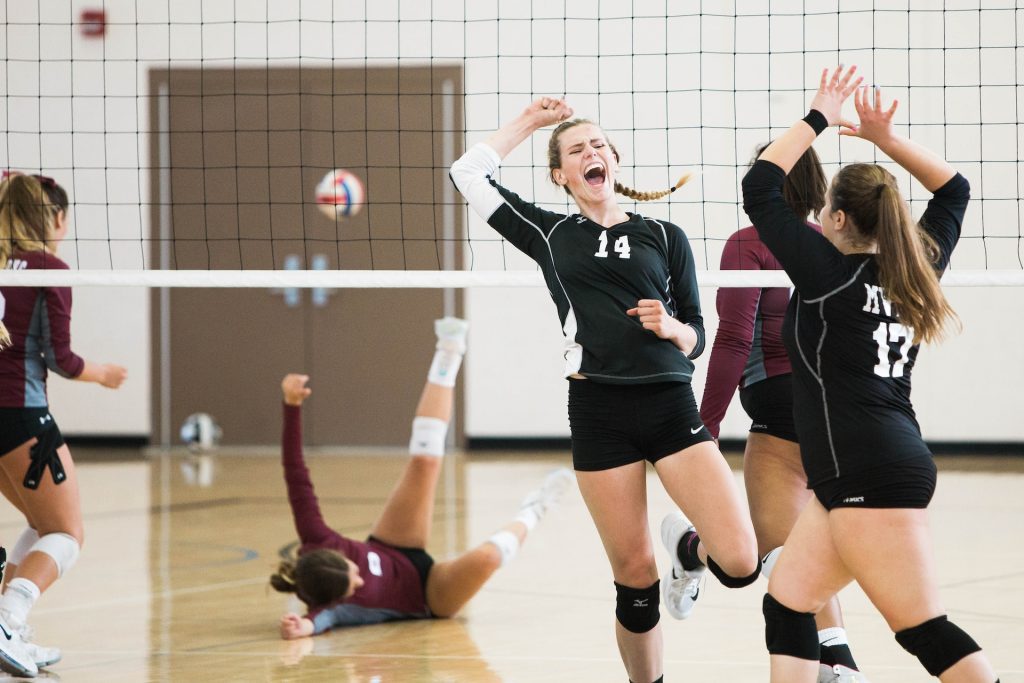
Conclusion
In the realm of sports, the significance of safe sports equipment cannot be overstated. It serves as a fundamental pillar ensuring athletes' well-being and performance. From helmets to protective pads, each gear component plays a crucial role in preventing injuries and bolstering confidence.
Safe equipment isn't merely about compliance; it's about providing athletes with a shield, enabling them to pursue their passion fearlessly. By prioritizing the use of proper gear, athletes can embrace their full potential while minimizing injury risks. Ultimately, investing in safe sports equipment isn't just a choice—it's a commitment to safeguarding athletes' health, enhancing performance, and fostering a culture of safety in sports.
In conclusion, investing in safe sports equipment isn't just a choice; it's an essential commitment to the well-being and success of athletes. By reinforcing a culture that prioritizes the use of proper gear, we not only mitigate injury risks but also nurture a community where athletes can push boundaries, embrace their potential, and excel in their sporting endeavors with confidence and security.
Ultimately, safe sports equipment isn't just gear; it's a promise—an assurance that enables athletes to pursue their passions fearlessly and perform at their absolute best.