Choosing the right running shoes is not just a matter of comfort; it's a crucial step towards ensuring a safe and effective running experience. For women, this decision carries additional significance due to unique biomechanical differences.
Picture this: A passionate female runner, Jane, discovers how the right pair of shoes transformed her running journey. Initially plagued with discomfort and injuries, her switch to a shoe that catered to her specific needs marked a turning point. Jane's story underscores the importance of personalized footwear – a tool for empowerment and performance enhancement in every stride a woman takes on her running path.
Understanding the Female Foot: Anatomy and Requirements

The anatomy of the female foot often differs significantly from that of the male foot, impacting the choice of running shoes.
Typically, women's feet are not just smaller but also have a narrower heel in relation to the forefoot. This distinctive shape necessitates a different approach to shoe design – one that ensures stability and a snug fit, particularly around the heel area to prevent slippage and provide adequate support.
Moreover, hormonal fluctuations in women, especially estrogen, can affect ligament laxity and arch stability. This factor, combined with a wider pelvis, often leads to a greater degree of pronation (inward rolling of the foot upon landing). Consequently, women might benefit more from running shoes that offer increased arch support and stability features to accommodate and counteract this pronation.
Common foot problems among female runners, such as plantar fasciitis, bunions, and stress fractures, can be mitigated with properly chosen footwear. Shoes with adequate cushioning can help absorb the impact of running, reducing the strain on the plantar fascia. A wider toe box can accommodate bunions, preventing exacerbation of pain and discomfort. Lastly, shoes designed for specific running styles and surfaces can also help in reducing the risk of stress fractures by distributing impact forces more evenly across the foot.
Types of Running Shoes
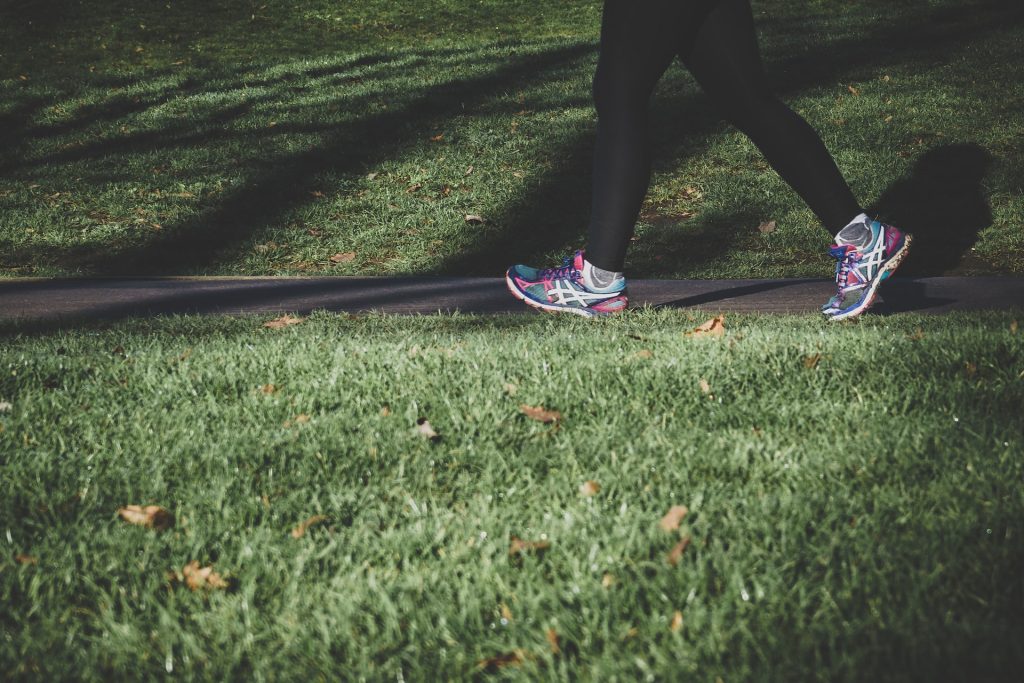
Running shoes are designed to cater to different terrains, foot types, and running styles. The primary categories include road running, trail running, and stability shoes, each serving a unique purpose.
- Road Running Shoes: Ideal for paved surfaces and treadmills, these shoes are generally lightweight and flexible. They provide cushioning to absorb the impact of hard surfaces and are designed for forward motion. Look for a well-cushioned sole and a comfortable fit if you primarily run on roads or tracks.
- Trail Running Shoes: For off-road routes with mud, rocks, and roots, trail running shoes are the go-to choice. They offer enhanced traction, support, and underfoot protection to handle rugged terrain. These shoes typically feature a sturdier build and deeper tread patterns for grip. If your running adventures take you off the beaten path, trail-specific shoes are essential.
- Stability Shoes: Designed for runners who overpronate (the foot rolls inward excessively), stability shoes provide added support and motion control. They often include features like a firmer midsole or a medial post (a harder foam in the arch area) to prevent overpronation. If you have flat feet or your running gait involves significant inward rolling, stability shoes might be your ideal choice.
Key Features to Look For

When selecting running shoes, several key features are crucial for performance and comfort:
- Cushioning: This refers to the shoe's ability to absorb impact. Good cushioning, especially in the midsole, can greatly reduce stress on the legs and joints. It's essential for long-distance running.
- Support: Proper support is vital to prevent overpronation or supination. It ensures your foot lands correctly, reducing the risk of injury. This is particularly important for runners with specific arch needs.
- Toe Box: The front part of the shoe should have enough room to allow your toes to spread naturally with each stride. This aids in balance and prevents blisters and toenail problems.
- Heel Counter: This part of the shoe provides stability for the heel. A firm heel counter helps in aligning the foot during the running gait cycle.
- Sole Flexibility: A flexible sole moves with your foot, allowing for a natural running motion. It should bend easily at the forefoot.
Size and Fit: More Than Just a Number
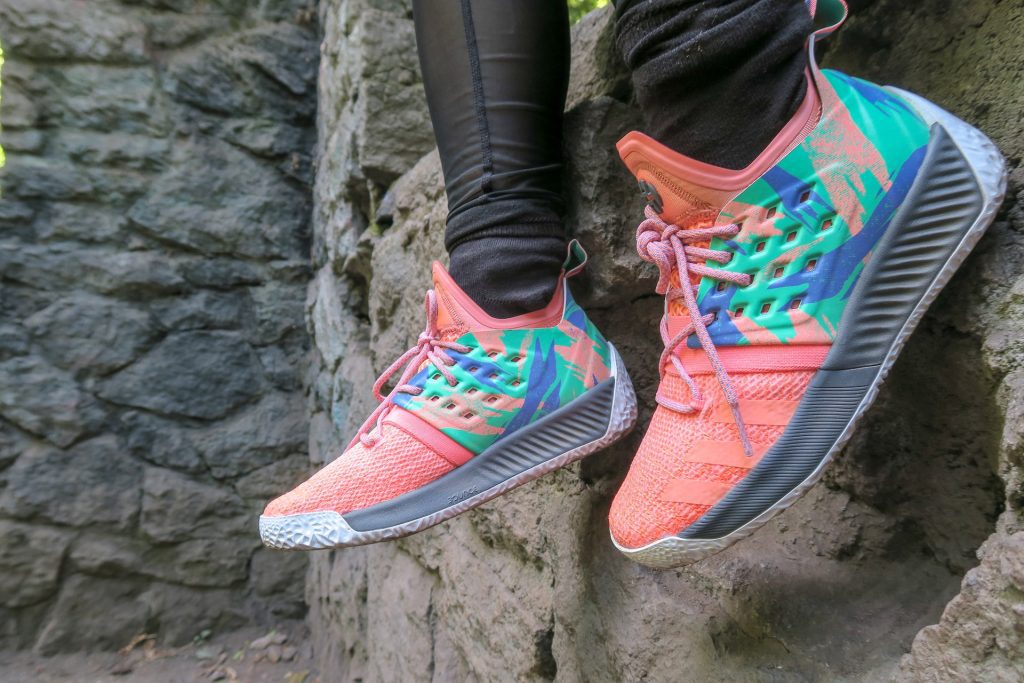
Finding the perfect fit in running shoes goes beyond the numerical size; it's a nuanced process that involves understanding the unique dimensions and dynamics of your feet.
- Measuring Your Foot Size: To accurately measure your foot, place a piece of paper on the floor against a wall. Stand on it with your heel against the wall and mark the longest part of your foot. Repeat for the other foot. Use these measurements against a size chart, as sizes can vary between brands.
- Considering Foot Width, Arch Type, and Running Mechanics: Foot width is as crucial as length. Running shoes come in various widths, so choose one that accommodates the broadest part of your foot comfortably. Your arch type, whether flat, high, or neutral, dictates the level of support needed. Understand your running mechanics, such as pronation patterns, to select shoes that provide the right support and alignment.
Tips for Trying On Running Shoes
- Best Time of Day: Shop in the afternoon or evening, as feet naturally expand during the day.
- Socks: Wear the socks you plan to run in, as thickness can affect fit.
- Testing: Walk and jog in the shoes. There should be a thumb's width of space in the toe box, and your heel should not slip.
- Comfort Over Style: Prioritize how they feel on your feet over aesthetics.
Brand and Budget Considerations
When it comes to running shoes, the debate between brand importance and budget considerations is ongoing. While well-known brands often offer the advantage of advanced technology and quality assurance, they are not the sole option for a quality pair of running shoes.
- Brand vs. Quality and Fit: A reputable brand can be a reliable indicator of quality, as such companies invest in research and development to enhance performance and comfort. However, the brand name is not always synonymous with the perfect fit for every runner. It’s crucial to focus on how the shoes conform to your feet, support your running style, and meet your specific needs, rather than solely on the brand.
- Balancing Quality and Budget: Finding the middle ground between quality and affordability is key. High-priced shoes don’t automatically guarantee a better shoe for your needs, and conversely, some less expensive options might not provide the support and durability required. Look for last season’s models of reputable brands, as they often come at a reduced price but maintain the quality.
- Budget-Friendly Recommendations: Research is vital. Read reviews and look for recommendations within running communities. Some brands offer great quality at a more affordable price point without compromising on essential features like cushioning, support, and durability. Keep an eye on sales or discounts at specialty running stores or online.
When to Replace Your Running Shoes

Knowing when to replace your running shoes is crucial to maintain foot health and performance. There are several telltale signs of wear and tear to watch for:
- Tread Wear: Check the soles of your shoes. If the tread, especially in high-impact areas like the heel, is significantly worn down, it's a clear sign that you need a new pair.
- Cushioning Feels Hard or Compressed: Over time, the midsole cushioning can break down, losing its ability to absorb shock effectively. If the shoes feel less comfortable and supportive, it’s likely time for a change.
- Uneven Wear Patterns: Observe any asymmetrical wear, which can indicate overpronation or supination. This uneven wear can affect your running form and lead to injuries.
The average lifespan of running shoes is typically between 300 to 500 miles. However, this can vary based on your running style, weight, and the shoe's construction.
It's advisable to start monitoring your shoes’ condition around the 300-mile mark or if you notice any discomfort or irregularities in your stride. Regularly rotating between two pairs of running shoes can also extend their lifespan.
Additional Tips and Tricks
Gradual Transition to New Shoes: When switching to new running shoes, it's important to transition gradually. Start by wearing them for shorter runs or walks to allow your feet to adapt to the new support and cushioning. This helps prevent blisters and gives your body time to adjust to the shoe’s biomechanics.
Special Conditions Considerations: Runners with specific conditions, like pregnancy or orthopedic issues, should seek shoes with additional support or flexibility. It’s advisable to consult a healthcare professional for recommendations tailored to these conditions.
Insoles and Orthotics: Custom insoles or orthotics can be a game-changer, especially for runners with unique foot shapes or specific needs. They provide extra support, improve fit, and can help in correcting pronation issues, thereby enhancing comfort and reducing injury risk. Consider having them professionally fitted for optimal benefit.
Conclusion
Investing time in selecting the right running shoes is an investment in your health and running journey. As women, our feet have unique needs, and finding the perfect pair can make a world of difference in comfort, performance, and injury prevention.
Remember, the ideal shoe is not just about the brand or appearance; it's about how well it fits and supports your individual running style and needs.