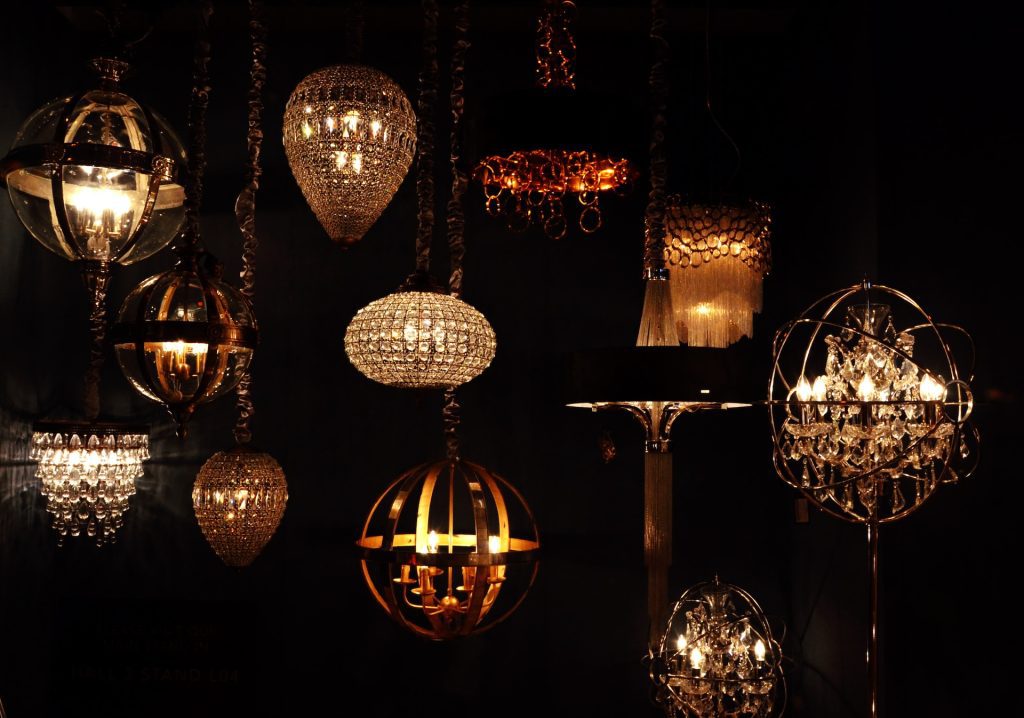
Lighting holds a pivotal role in humanity's narrative, shaping our existence from ancient times to the present day. Its evolution stands as a testament to our innovation and progress. Journey with us through the corridors of time as we unravel the fascinating story behind the development of lamps.
From the humble flicker of flames illuminating caves to the advent of sophisticated LED technology, this exploration delves into how lighting has transformed human life, influencing culture, productivity, and our understanding of the world. Join us on this captivating voyage through history, where each gleaming moment has contributed to the brilliance of today's illumination.
The Dawn of Illumination
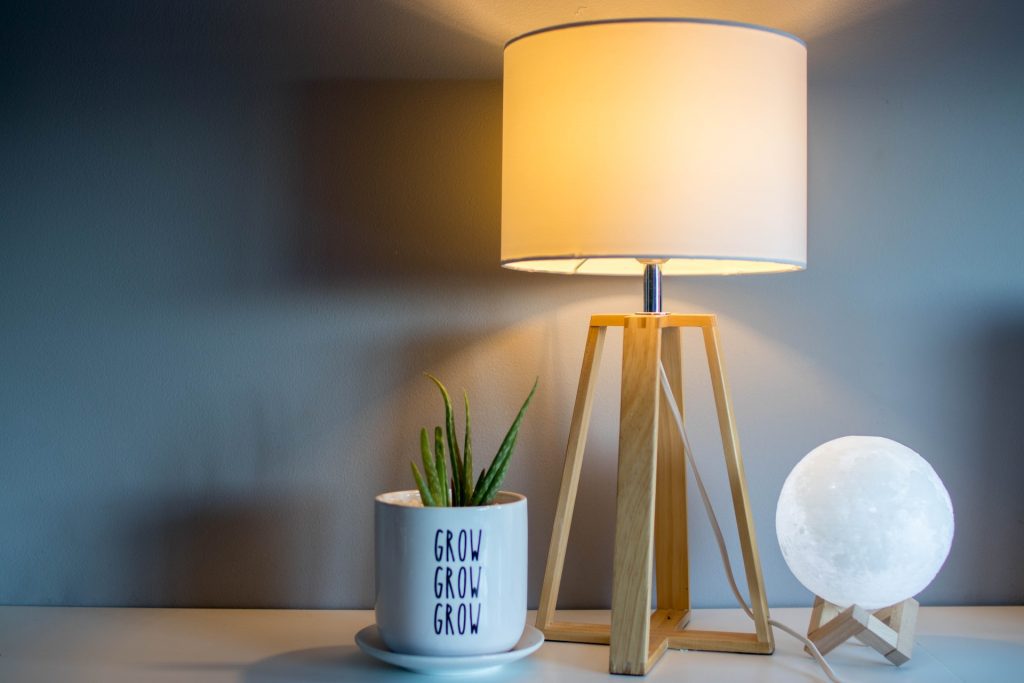
The dawn of illumination marks a profound juncture in human history, where inventive minds sought to conquer the night. Early civilizations grappled with darkness using elemental sources—fire, the primal beacon, offered warmth, protection, and illumination within caves. Candles, crafted from tallow or beeswax, flickered in the ancient world, bestowing modest yet valuable light.
Egyptians, revered for their ingenuity, embraced oil lamps around 70,000 BCE. These vessels, filled with animal or vegetable oil and a wick, cast a radiant glow across temples and homes, symbolizing a civilization steeped in sophistication. The Greeks, renowned for their advancements, introduced clay lamps and made strides in oil lamp design, enhancing functionality and aesthetics.
The Romans elevated lighting to an art form, innovating with various materials for lamps—bronze, silver, and gold. Their advancements in glasswork gave rise to beautiful, translucent vessels, revolutionizing the way light danced within spaces.
These ancient luminaries didn't merely dispel darkness; they fostered societal growth, facilitating gatherings, intellectual discourse, and spiritual ceremonies. Lighting became symbolic—an emblem of enlightenment, metaphorically and literally.

Moreover, these early methods of lighting didn't merely serve practical purposes. They were interwoven with cultural significance and rituals. From the sacred rituals of Egyptians, who believed in the divine power of light, to the Greeks and Romans, who used lamps as decorative elements in their opulent residences, lighting became an expression of cultural identity and artistic prowess.
The legacy of these ancient lighting methods endures, influencing modern illumination techniques. They laid the foundation for the technological marvels that now flood our world with light. As we bask in the brilliance of contemporary lighting solutions, it's essential to pay homage to these ancient luminaries whose innovation and creativity illuminated the path for the future. Their legacy continues to shine brightly, guiding the way for generations to come.
Thomas Edison and the Invention of Incandescent Bulbs
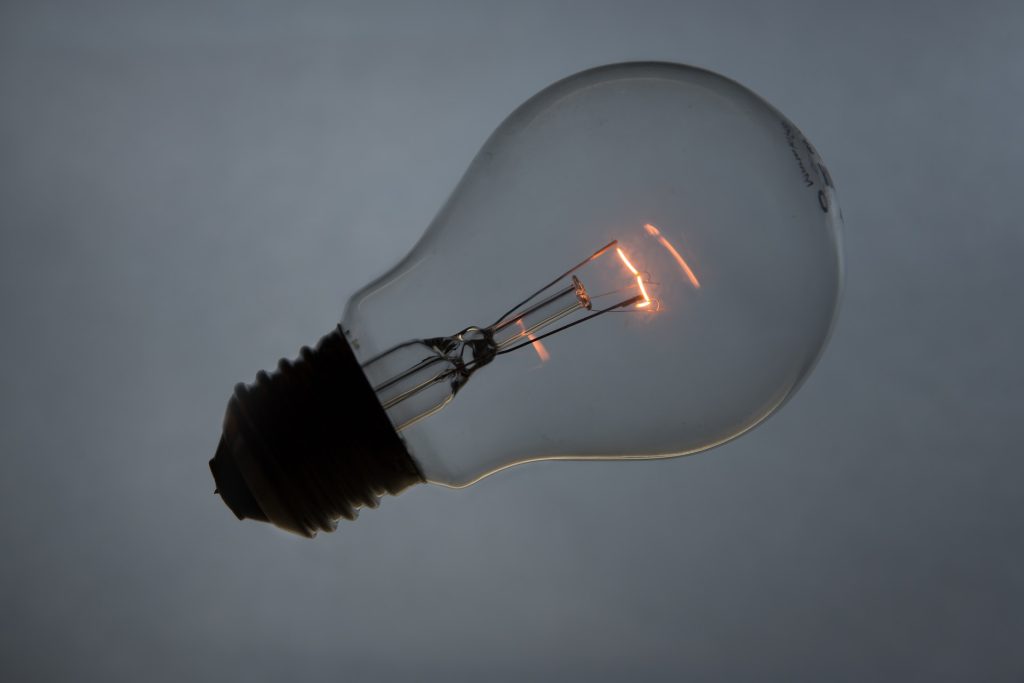
Thomas Edison, a name etched in the annals of innovation, revolutionized the world with his pioneering work on incandescent bulbs. In 1879, after tireless experimentation and iteration, Edison introduced the first commercially viable incandescent light bulb.
Edison's genius lay not just in inventing the bulb but in creating a practical, durable, and long-lasting solution. He devised a filament made from carbonized bamboo that could withstand the high temperatures necessary for incandescence. This breakthrough propelled him to illuminate Menlo Park and eventually entire cities, replacing gas lamps and candles with a safer, more efficient source of light.
The impact of the incandescent bulb on society was seismic. It transformed the fabric of daily life, transcending mere convenience to redefine productivity, leisure, and safety. Suddenly, work and leisure weren't confined by the sun's setting; people had newfound flexibility to extend their activities well into the night. Industries boomed with extended working hours, driving progress and productivity to unprecedented heights.
Moreover, the incandescent bulb's widespread adoption brought significant societal changes. Streets became safer, crime rates dropped, and cities experienced newfound vibrancy. Homes transformed into cozy sanctuaries, fostering familial bonds in well-lit, inviting spaces. The bulb's advent catalyzed societal progress, facilitating educational advancements, cultural pursuits, and economic growth.
However, its impact wasn't without criticism. Concerns about energy consumption and environmental repercussions emerged, sparking discussions about sustainability and efficiency. These concerns eventually led to the quest for more energy-efficient lighting solutions.
Yet, Edison's incandescent bulb remains an emblem of human ingenuity, marking a pivotal moment in history. Its legacy persists, albeit in the face of newer, energy-efficient lighting technologies. Nevertheless, the incandescent bulb stands as a testament to Edison's brilliance and remains a foundational pillar in the evolution of lighting, illuminating not just spaces but the path toward a brighter, technologically advanced future.
Advancements in Lighting Technology

Advancements in lighting technology have continually reshaped how we illuminate our world, offering efficiency, durability, and versatility. From the evolution of fluorescent and halogen bulbs to the swift rise of compact fluorescent lamps (CFLs) and the introduction of Light Emitting Diodes (LEDs), the journey through these innovations has been transformative.
Fluorescent bulbs, emerging in the early 20th century, presented a leap forward in efficiency compared to incandescent bulbs. Their ability to produce more light using less energy made them widely adopted for commercial and residential use. Meanwhile, halogen bulbs, introduced in the late 1950s, enhanced brightness and lifespan, offering a more focused, whiter light.
The arrival of compact fluorescent lamps (CFLs) in the 1980s marked a significant shift toward energy efficiency. These bulbs, a more compact version of traditional fluorescents, consumed significantly less energy, lasting longer while providing comparable illumination. The global adoption of CFLs was a notable step toward environmentally conscious lighting solutions.
However, the most transformative leap arrived with the introduction of Light Emitting Diodes (LEDs). Initially used in electronics, LEDs gained momentum in lighting due to their remarkable efficiency, extended lifespan, and versatility. Their evolution has been rapid, culminating in a vast spectrum of colors, sizes, and applications. From residential lighting to expansive commercial displays, LEDs have become the cornerstone of modern illumination.
The impact of LEDs extends beyond efficiency. Their durability, instant-on capabilities, and adaptability to smart technology have revolutionized lighting systems. They've not only illuminated spaces but have offered creative opportunities in architectural design and artistic expression.
Moreover, the environmental benefits of LEDs are substantial, significantly reducing energy consumption and carbon emissions. Their longevity reduces waste, contributing to a sustainable future.
The journey from fluorescents and halogens to CFLs and, finally, LEDs has been marked by an unyielding quest for efficiency, sustainability, and innovation. As LEDs continue to evolve and diversify, they stand at the forefront of lighting technology, embodying a future where illumination is not just efficient but an avenue for creativity, sustainability, and progress.
Environmental Impact and Energy Efficiency

The evolution of lighting technology has sparked a crucial conversation about energy efficiency and environmental impact. When comparing various types of bulbs, it's evident that LED technology stands out as a frontrunner in both efficiency and sustainability.
Traditional incandescent bulbs, though inexpensive initially, are notably less energy-efficient than their counterparts. They waste a substantial amount of energy as heat, contributing to higher electricity bills and increased carbon emissions. Fluorescent and halogen bulbs improve efficiency but still fall short in comparison to LEDs.
LEDs, however, lead the charge in energy efficiency. They consume significantly less energy, translating to reduced electricity usage and lower utility costs. Furthermore, their extended lifespan means fewer replacements, diminishing waste and environmental strain.
This shift toward LED technology holds immense importance in the quest for energy conservation. LED bulbs not only reduce energy consumption but also minimize greenhouse gas emissions, aligning with global efforts to combat climate change. Their efficiency and durability make them a crucial ally in building a sustainable future, illuminating the path toward a greener and more energy-conscious world.
The Future of Lighting
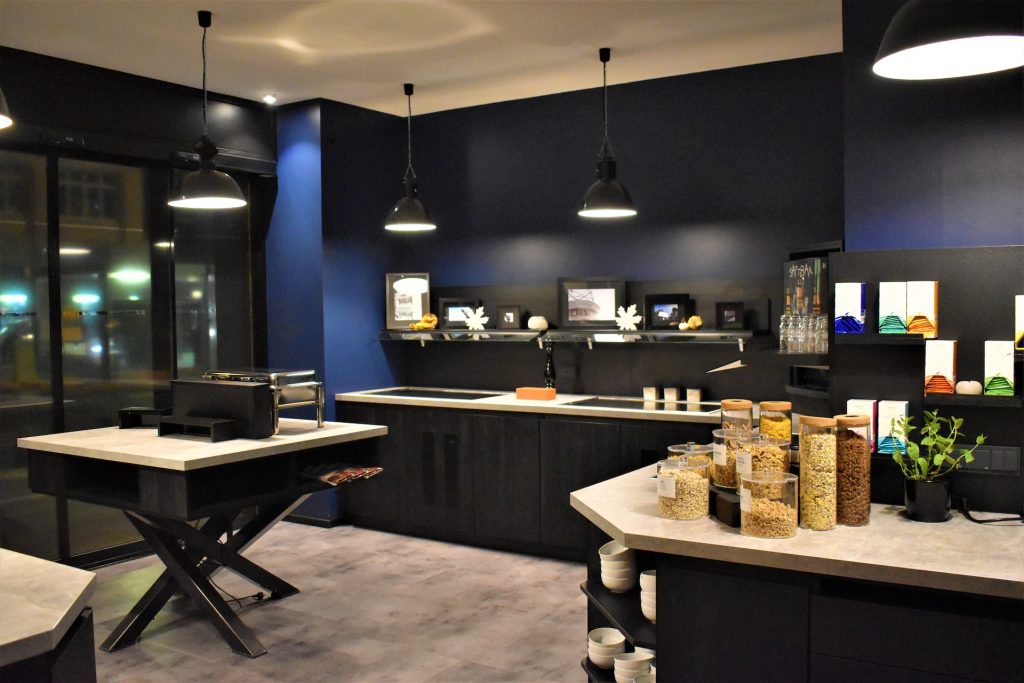
The future of lighting is poised for remarkable advancements, promising transformative changes that extend beyond mere illumination. Ongoing innovations in lighting technology are steering us toward a world of enhanced efficiency, customization, and interconnectedness.
Continual research and development in LED technology remain at the forefront. Scientists and engineers are striving to improve efficiency, brightness, and color options while simultaneously reducing costs. The integration of smart technology into lighting systems allows for unprecedented control and customization. From adjustable color temperatures to automated systems responding to environmental cues, these innovations promise to revolutionize how we interact with light in our environments.
Moreover, the convergence of lighting with other technologies, such as Internet of Things (IoT) and artificial intelligence, holds immense promise. Smart lighting systems embedded with sensors can optimize energy usage by adjusting brightness based on occupancy or natural light levels. This integration has significant implications for energy conservation and efficiency on a larger scale.
The future of lighting transcends mere functionality; it's becoming an integral part of creating immersive experiences and enhancing well-being. Light's influence on human circadian rhythms and health is an area of burgeoning research, paving the way for lighting designs that promote better sleep, productivity, and overall wellness.
These advancements in lighting technology are not just about brighter, more efficient bulbs; they're about creating adaptive, human-centric environments that respond intuitively to our needs and preferences. The future holds a tapestry of possibilities where lighting isn't merely a utility but an integral part of shaping our experiences, productivity, and well-being in a rapidly evolving world.
Conclusion
As we conclude this enlightening journey through the history and evolution of lighting, it's evident that our fascination with illumination has shaped civilizations and propelled innovation. From the humble flicker of fire to the brilliance of LED technology, each milestone has illuminated our path forward.
The future of lighting holds the promise of sustainability, efficiency, and boundless creativity. Let's cherish the legacy of ancient luminaries, embrace the transformative power of modern technology, and continue illuminating our world in ways that enrich our lives and safeguard our planet. Together, let's shine brighter as we step into a future illuminated by innovation and environmental consciousness. So, buy best-quality lamps online to transform your home.