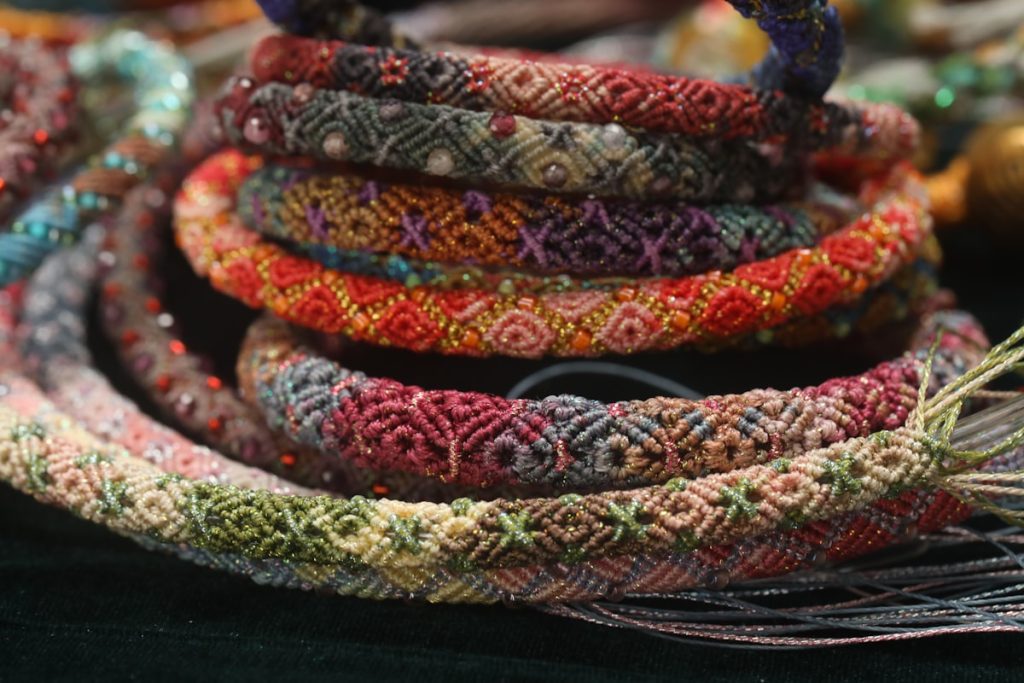
- Novica is a marketplace for handcrafted artisan goods from over 40 countries, backed by National Geographic. You'll find jewelry, home decor, paintings, textiles, and clothing, most of it genuinely one-of-a-kind.
- Prices range from about $20 to $300+, with most items landing in the $40-$150 range. You're paying fair trade prices directly to artisans, so the markup isn't going to some corporate middleman.
- The biggest catch is shipping. Many items ship from overseas workshops in places like Bali, Peru, and India. Expect 2-4 weeks for delivery on some orders. If you need something fast, this isn't your store.
What Novica Actually Is (And Why National Geographic Is Involved)
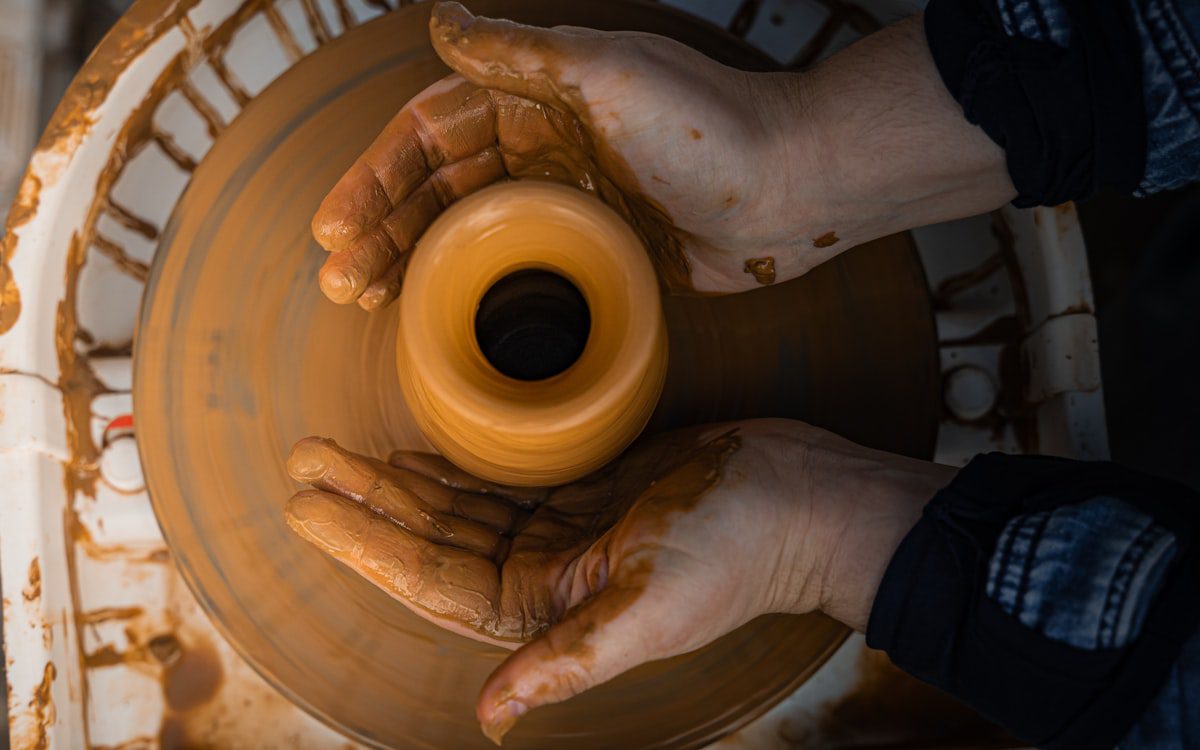
Novica launched in 1999 with a genuinely interesting idea: connect skilled artisans in developing countries directly with buyers in the U.S. and beyond. No big-box retail chain taking a 60% cut. No factories mass-producing “handmade-style” goods. Just real people making real things with their hands, selling through a curated online marketplace.
National Geographic came on board as an investor and partner, which gave Novica instant credibility. The association isn't just a logo slapped on the website. Nat Geo's involvement helped Novica build regional offices in countries like Mexico, Peru, Brazil, India, Thailand, Indonesia, and several African nations. These offices work directly with artisans, handle quality control, and manage logistics.
The result is a marketplace that feels different from anything else online. Every product listing includes the artisan's name, photo, and personal story. You're not buying a “handmade ceramic bowl.” You're buying a ceramic bowl made by a specific potter in Oaxaca who learned the craft from her grandmother. That context changes how you feel about the purchase, and honestly, it should.
What They Sell: The Product Breakdown
Novica's catalog is massive. Thousands of items across dozens of categories. But not all categories are created equal. Here's what's actually worth your money and what you should approach with caution.
Jewelry ($20-$400+)
This is Novica's strongest category, hands down. Sterling silver pieces from Bali and Mexico are the standout. You'll find intricate rings, bracelets, necklaces, and earrings at prices that would cost three to four times more at a department store. A hand-carved sterling silver cuff bracelet runs about $60-$120. A similar piece at Nordstrom would be $200+.
The gemstone jewelry is solid too. Artisans work with jade, garnet, amethyst, turquoise, and other semi-precious stones. Quality varies by artisan, but the top-rated sellers consistently deliver beautiful work. Gold-plated and gold-filled options exist for those who want something dressier, though prices jump to $150-$400.
One caveat: sizing can be tricky. Ring sizes aren't always consistent across countries, and some artisans use different measurement systems. Read the sizing notes carefully and don't be afraid to message the artisan before ordering.
Home Decor ($25-$300+)
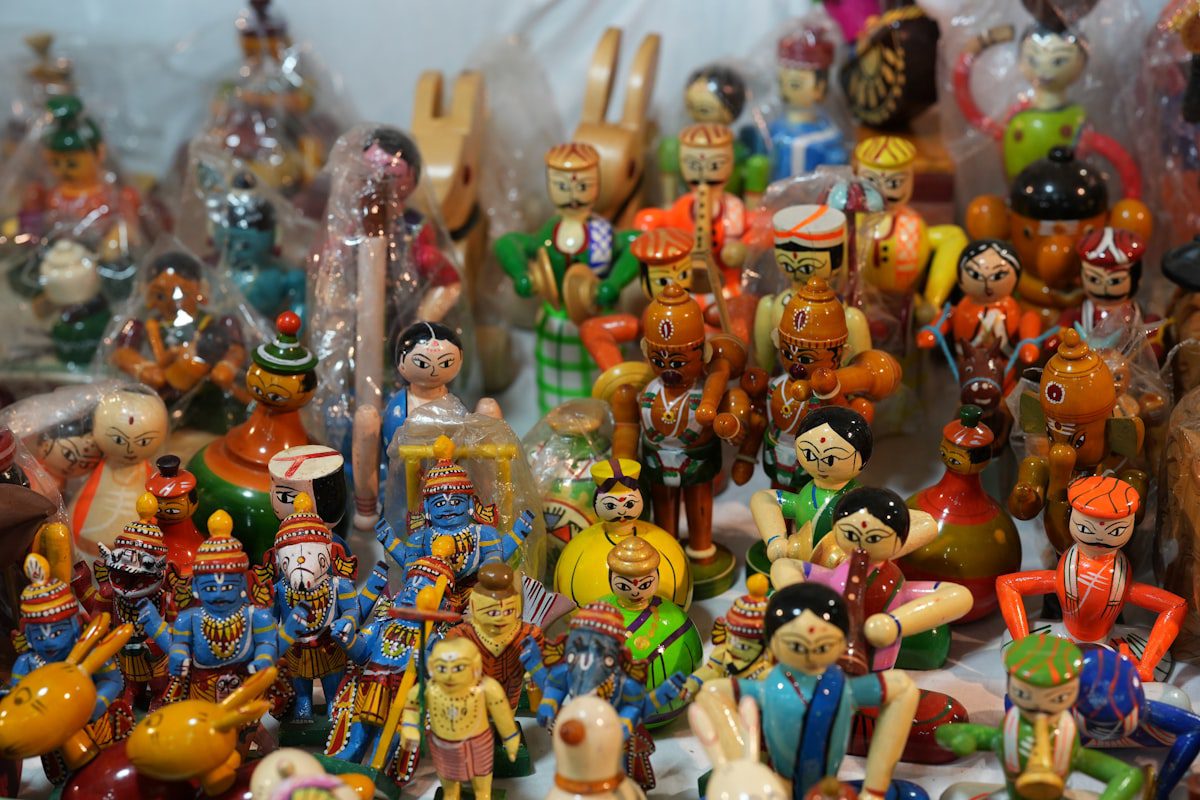
Wood carvings from Indonesia, hand-blown glass from Mexico, ceramic vases from Peru, woven baskets from Ghana. The home decor section is where Novica really shines if you want pieces that spark conversation. Nothing here looks like it came off an assembly line.
Wall art and masks are particularly popular. Balinese wood masks in the $30-$80 range are gorgeous and make great statement pieces. Hand-painted ceramic plates from Central America work both as decor and functional tableware.
The downside: some items are bulkier than you'd expect, which affects shipping costs and times. A large wood sculpture from Indonesia might take three to four weeks to arrive and weigh 15+ pounds. Factor that in.
Paintings and Wall Art ($40-$500+)
Original paintings, not prints, from artists in Peru, India, Brazil, West Africa, and Central America. This is genuinely unusual. Where else can you buy an original oil painting for $80? The styles range from traditional folk art to modern abstract, with plenty in between.
Quality varies more here than in other categories. Some paintings are museum-worthy. Others are more “tourist market” level. Check the artisan's ratings, look at the detail photos, and read buyer reviews before committing to anything over $100.
Textiles and Clothing ($30-$200)
Scarves, shawls, throws, and clothing made from hand-loomed fabrics. The alpaca wool products from Peru are exceptional. A hand-knit alpaca scarf for $40-$60 is a steal. These would run $150+ at a boutique in New York.
Clothing is more hit-or-miss. Sizing is inconsistent because artisans in different countries use different standards. A “medium” from an Indian weaver might fit like a U.S. small. Always check measurements, not just the size label. And be prepared for the fact that returns on clothing shipped from overseas take a while.
Handbags, Accessories, and Everything Else ($20-$200)
Leather bags from India, beaded clutches from Guatemala, hand-tooled wallets from Mexico. The accessories section is solid for gifts. Most items fall in the $30-$80 range, which is the sweet spot for a thoughtful present that doesn't break the bank.
There's also a small selection of musical instruments (drums, flutes, rain sticks), garden sculptures, and holiday ornaments. These are fun niche categories, but the selection is thinner and quality is harder to judge from photos alone.
Pricing: What You're Actually Paying For
Novica's pricing model is more transparent than most. The artisan sets the price, Novica takes a commission (they don't publicly disclose the exact percentage, but it's reported to be around 30-40%), and the rest goes directly to the maker. That's a better split than most retail, where the maker might see 10-15% of the final price.
Here's how prices typically break down:
- Under $30: Small jewelry pieces, ornaments, keychains, small woven items
- $30-$75: Most jewelry, smaller home decor, scarves, accessories
- $75-$150: Statement jewelry, medium home decor, paintings, handbags
- $150-$300: Large sculptures, fine jewelry, original paintings, alpaca blankets
- $300+: Large art pieces, fine gold jewelry, elaborate wood carvings
Is it cheap? No. But you're getting handmade goods from skilled artisans who are paid fairly for their work. A $50 necklace from Novica represents hours of a jeweler's time. A $50 necklace from a fast fashion brand represents minutes on a factory assembly line. You're paying for craft, and that's legitimate.
That said, “fair trade” doesn't mean “good value” automatically. Some items on Novica are priced higher than comparable handmade goods you might find on Etsy or at a local artisan market. The premium is partly for the curation, the artisan stories, and the guarantee of authenticity. Whether that's worth it depends on how much those things matter to you.
The Fair Trade Factor
Novica's fair trade commitment is real, not just marketing. They maintain regional offices in the countries where artisans work. These offices provide microloans, business training, and logistics support. Artisans aren't just suppliers filling orders. They set their own prices, maintain creative control over their work, and can refuse orders they don't want.
The platform also runs a “Happiness Guarantee” that protects artisans from returns. If you return an item, the artisan still gets paid. Novica absorbs the loss. That's a meaningful difference from platforms where sellers eat the cost of every return.
Novica publishes impact reports showing how much money has gone to artisan communities. As of their most recent reporting, they've channeled over $100 million to artisans across the globe. That's not nothing.
But let's be real about the limitations. “Fair trade” is a broad term with no single governing body for online marketplaces. Novica isn't Fair Trade Certified by any external organization the way some coffee or chocolate brands are. They self-report their practices. There's no independent audit publicly available. You're trusting the company's word. Given National Geographic's involvement and Novica's long track record, that trust seems reasonable. But it's not the same as third-party verification.
Shipping: The Part Nobody Loves
This is Novica's biggest weakness, and they know it. Because items ship from artisan workshops around the world, delivery times are all over the map. Sometimes literally.
Here's what to expect:
- U.S. warehouse items: 3-7 business days. Some popular items are stocked domestically for faster delivery.
- International shipments: 2-4 weeks is typical. Some items from remote workshops can take up to 6 weeks.
- Shipping costs: Vary by item size and origin. Expect $5-$15 for jewelry and small items, $15-$30+ for larger home decor pieces. Free shipping promotions pop up regularly on orders over $99.
The tracking experience is inconsistent. Items from the U.S. warehouse get standard USPS or UPS tracking. International items sometimes have tracking that stops updating once the package leaves the origin country. You might see “Departed facility in Denpasar” and then nothing for two weeks until it shows up at your door. It's stressful if you're not expecting it.
For gifts with a deadline, order at least four weeks in advance. Six weeks during the holiday season. Novica is not the place for last-minute shopping.
Returns and Customer Service
Novica offers a 45-day return window on most items, which is generous. They call it their “Happiness Guarantee.” If you're not satisfied, you can return the item for a full refund or exchange. The artisan still gets paid, which is a nice touch.
The catch: return shipping is on you for non-defective items, and returning something to an overseas workshop can cost more than the item itself. For a $30 bracelet you don't like, paying $20 in return shipping doesn't make sense. This is another reason to be careful with sizing and read descriptions thoroughly before ordering.
Customer service is responsive but not fast. Email support typically responds within 24-48 hours. There's no live chat or phone support readily available. For straightforward issues (wrong item, damage during shipping), they handle things well. For more complicated situations, expect some back-and-forth.
The Real Downsides You Should Know About
Novica has a lot going for it, but no marketplace is perfect. Here's what might trip you up:
- Shipping times are unpredictable. Two weeks is optimistic for international orders. Four weeks is common. Six weeks happens. If patience isn't your thing, this will frustrate you.
- You can't touch or try before buying. Photos are usually good, but colors and textures can look different in person. A “vibrant turquoise” on screen might be more of a muted teal in your living room.
- Sizing is inconsistent. Especially for jewelry and clothing. Different countries, different standards. Read measurements carefully.
- Returns are expensive for international items. The return policy is fair, but return shipping costs can eat into your refund.
- Some product pages are thin on details. Material composition, exact dimensions, and care instructions aren't always listed. You may need to message the artisan for specifics.
- The website could use an update. The search and filtering tools are clunky. Finding exactly what you want sometimes requires patience and creative keyword searches.
- No brick-and-mortar presence. You can't walk into a Novica store. Everything is online-only, which makes impulse browsing harder.
Who Novica Is For (And Who Should Shop Elsewhere)
Novica is perfect for you if you want unique, handcrafted items with a real story behind them. If you're tired of mass-produced decor that looks the same as every other house on your street. If you care about where your money goes and want it to reach real artisans in real communities. And if you're patient enough to wait for shipping.
It's also excellent for gift shopping, especially for the person who “has everything.” A hand-carved Balinese wood sculpture or a sterling silver necklace from a Mexican jeweler is the kind of gift people keep for decades. It's not another candle from Target.
Skip Novica if you need things fast, if you're price-shopping for the absolute lowest cost, or if you're uncomfortable buying things you can't see in person first. And if consistent sizing matters to you (for jewelry or clothing), shop categories where reviews confirm the fit.
The Bottom Line
Novica is one of the few online marketplaces that genuinely delivers on its promise. You're buying real handcrafted goods from real artisans, and a meaningful portion of your money goes directly to the people who made your purchase. The National Geographic partnership adds legitimacy, and the artisan stories add soul. It's not just shopping. It's the closest thing to visiting a craftsman's workshop in Ubud or Cusco without getting on a plane.
But it's not without friction. Shipping is slow, sizing can surprise you, and returns are a hassle for international items. You need to go in with realistic expectations. This isn't Amazon Prime. It's a different kind of buying experience that rewards patience and intentionality.
If you value craftsmanship, ethical sourcing, and owning something nobody else on your block has, Novica is worth every extra day of shipping. Just plan ahead, read the reviews, and let the artisan's story be part of what you're buying.