- Quick take: Lenovo, Dell, and HP are the three biggest Windows laptop makers, and each one has clear strengths. Lenovo wins on keyboards and business value, Dell wins on support and build consistency, and HP wins on consumer design.
- For business laptops, ThinkPad beats Latitude and EliteBook on keyboard quality and repairability. For gaming, Legion beats Alienware on value. For consumer everyday use, HP Spectre edges out the competition on design.
- Customer support is Dell's clearest advantage. Lenovo's support is the weakest of the three, and it's not close.
These three brands account for roughly 60% of all PCs sold worldwide. If you're buying a Windows laptop, there's a good chance you're choosing between a Lenovo, a Dell, or an HP. They all make good machines. They all make bad ones too. The differences come down to what you prioritize.
Here's how they stack up across the categories that actually matter.
Business Laptops: ThinkPad vs. Latitude vs. EliteBook
This is where the real competition happens. Corporate IT departments spend millions on these laptops, and all three brands have dedicated business lines with military-grade durability testing, enterprise security features, and multi-year support options.
Lenovo ThinkPad
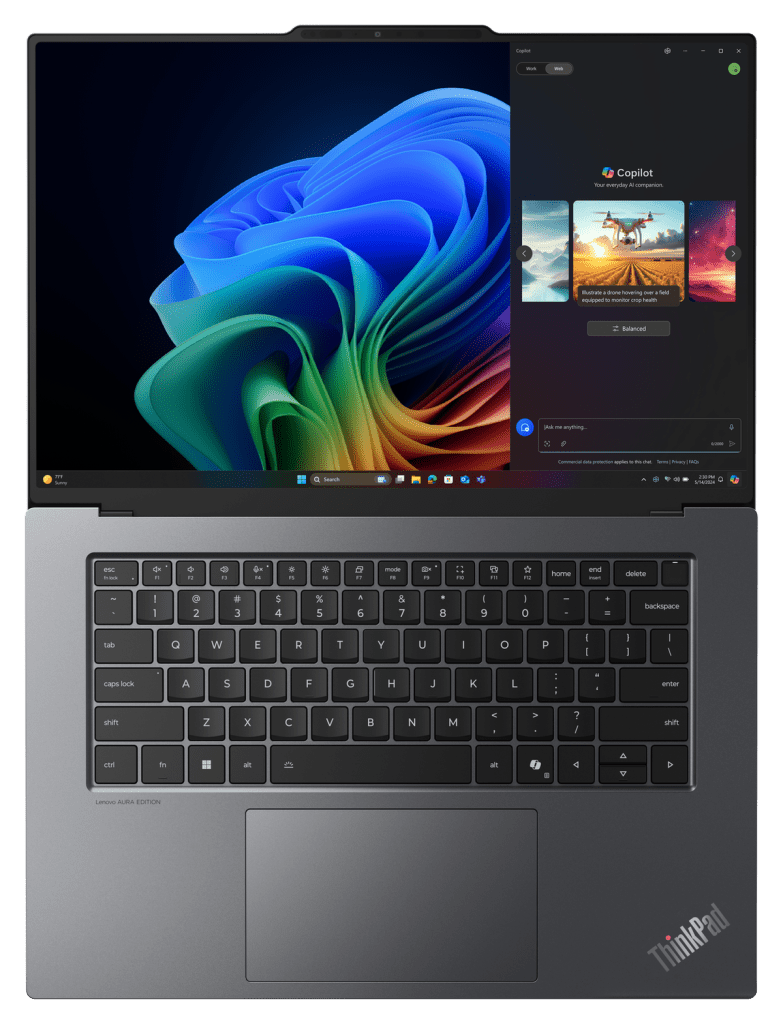
The ThinkPad T14 and X1 Carbon are the most popular business laptops on the planet for a reason. The keyboards are the best in the industry (no contest), the build quality is excellent, and the repairability is outstanding. Lenovo publishes detailed hardware maintenance manuals, and replacement parts are widely available. A ThinkPad T14 with a Core i5, 16GB RAM, and 512GB SSD runs about $950 to $1,100 on sale.
Dell Latitude
The Latitude 5000 and 7000 series compete directly with ThinkPad. Build quality is on par, maybe slightly behind. Keyboards are good but not ThinkPad-level. Where Dell pulls ahead is customer support. Dell ProSupport is fast, competent, and available 24/7. If your laptop dies on a Tuesday, Dell can have a technician at your office on Wednesday with parts in hand. A comparable Latitude 5450 runs about $1,000 to $1,200.
HP EliteBook
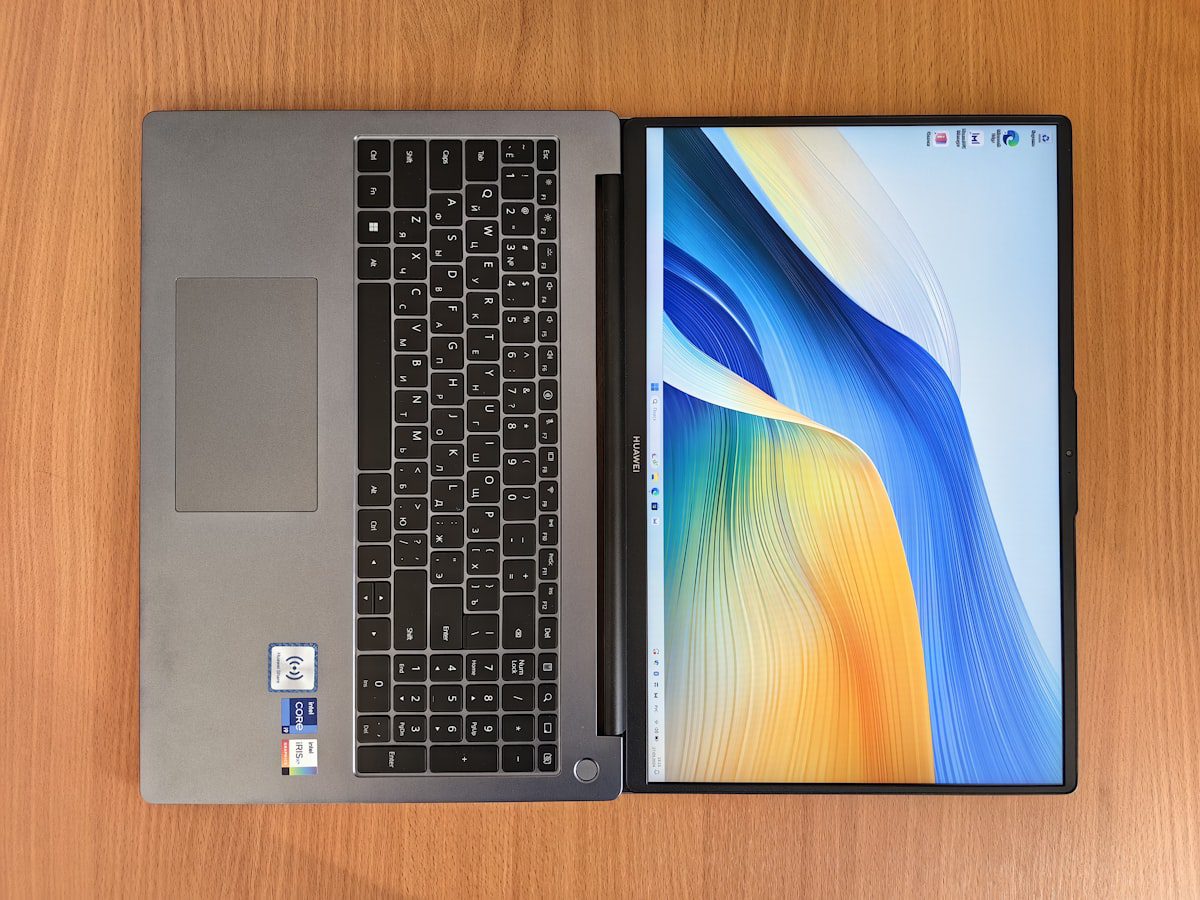
EliteBooks are solid machines that fly under the radar. The EliteBook 840 G series has a clean, modern design with excellent security features (HP Wolf Security is actually quite good). Build quality is comparable to ThinkPad. The keyboards are decent but nothing special. Pricing sits in the same $1,000 to $1,300 range for a standard configuration. HP's business support is good, though not quite as responsive as Dell ProSupport.
Winner for business: Lenovo ThinkPad. The keyboard advantage alone is worth it for anyone who types all day. But if customer support matters more than keyboard feel (and for some companies, it absolutely does), Dell Latitude with ProSupport is the smarter pick.
Consumer Everyday Laptops: IdeaPad vs. Inspiron vs. Pavilion
The consumer lines are where all three brands cut corners to hit price points. None of them are particularly impressive under $500, but the mid-range ($600 to $1,000) is where things get interesting.
Lenovo IdeaPad 5
The IdeaPad 5 at the $650 to $800 range is a competent machine. You get a metal lid (though the bottom is still plastic on most models), a decent 300-nit IPS display, and solid battery life around 8 to 10 hours. The biggest drawback is the bloatware that ships pre-installed, and the trackpad isn't as responsive as competitors.
Dell Inspiron 16
The Inspiron 16 competes at the same price point and offers similar specs. Dell's advantage here is a slightly more consistent build quality and less bloatware. The 16-inch display option is nice for people who want more screen real estate. But Dell's consumer keyboards have gotten worse in recent years (shallower key travel, mushier feedback), and the Inspiron line tends to run a bit warmer under load.
HP Pavilion Plus
HP has quietly improved its consumer line, and the Pavilion Plus is the standout. It offers a 2.8K OLED display option at around $800 to $900, which is remarkable at this price point. The aluminum chassis looks and feels more premium than both the IdeaPad 5 and Inspiron 16. Battery life is slightly shorter due to the high-resolution display (6 to 8 hours), but the visual experience is noticeably better.
Winner for consumer everyday: HP Pavilion Plus. If you're spending $700 to $900 on a personal laptop, HP gives you the best screen and the most premium feel. Lenovo IdeaPad 5 wins if you're trying to stay under $700, where HP's options get less impressive.

Gaming Laptops: Legion vs. Alienware vs. Omen
Gaming laptops are where the brands diverge the most in pricing and philosophy.
Lenovo Legion 5
The Legion 5 is consistently one of the best values in gaming laptops. An RTX 4060 configuration runs $1,000 to $1,200, and you get a 165Hz IPS display, solid cooling, and battery life that's competitive for a gaming laptop (about 5 to 6 hours on light tasks). The Legion Pro 5 and 7 push into higher-end territory with RTX 4070 and 4080 options at $1,500 to $2,300. Lenovo doesn't throttle GPU performance as aggressively as some competitors, so you get more of the card's potential.
Dell Alienware m16
Alienware is the premium gaming brand, and you pay for it. An RTX 4060 Alienware m16 starts around $1,300 to $1,500, which is $200 to $300 more than a comparable Legion 5. What do you get for the premium? Better build materials, arguably better aesthetics (if you like Alienware's look), and Dell's superior customer support. Gaming performance is roughly equivalent at the same GPU tier. The Alienware also runs hot and heavy (around 6 pounds).
HP Omen 16
HP's Omen line sits between Legion and Alienware in pricing. An RTX 4060 Omen 16 costs about $1,100 to $1,300. The design is more subdued than both Legion and Alienware, which is nice if you want a gaming laptop that doesn't scream “gamer” in a coffee shop. Performance is solid, and HP's Omen Gaming Hub software is actually one of the better manufacturer utilities for tweaking performance. The display options are good but not quite as bright as Legion's panels.
Winner for gaming: Lenovo Legion. The price-to-performance ratio is hard to beat. You get more GPU power per dollar than Alienware, and the cooling is better than Omen in most configurations. Alienware is worth it only if you value build premium and customer support over raw value. Omen is the pick if you want a gaming laptop that looks professional enough for work.
Premium Ultrabooks: X1 Carbon vs. XPS vs. Spectre
This is the flagship fight. These are the laptops each brand is most proud of, and they're all genuinely excellent.
Lenovo ThinkPad X1 Carbon
Starts around $1,200 on sale, climbs to $2,500+ fully loaded. Under 2.5 pounds. The best keyboard of any ultrabook, period. Available with a 2.8K OLED display. Carbon fiber chassis that's durable but not flashy. It looks like a business tool, and that's intentional.
Dell XPS 13/14
The XPS line has been the benchmark for premium Windows ultrabooks for years. The 13-inch model starts around $1,100, with the 14-inch around $1,300. The InfinityEdge display with minimal bezels looks stunning. Build quality is excellent. But the recent redesign has been polarizing. The haptic touchpad (on newer models) divides opinion, and the function key row was replaced by a capacitive touch strip that many users hate. If you can find a 2024 or older model with the traditional keyboard, it's a safer pick.
HP Spectre x360
The Spectre x360 14 starts around $1,200 and is arguably the most beautiful Windows laptop ever made. The gem-cut design with angled corners and dual-tone finish turns heads. The OLED display option is gorgeous. And unlike the X1 Carbon, it's a 2-in-1 with pen support. The keyboard isn't quite as good as the ThinkPad, but it's better than the current XPS.
Winner for premium ultrabooks: It depends on your use case. For typing-heavy work, the X1 Carbon wins. For design and aesthetics, the Spectre x360 wins. The XPS used to be the default recommendation, but the recent keyboard changes have knocked it down. If Dell reverts those decisions, the XPS jumps back to the top.
Customer Support: The Real Differentiator
This is where the three brands diverge the most, and it's often the deciding factor for business buyers.
- Dell: Best in class. ProSupport offers 24/7 phone access, next-business-day on-site repairs, and dedicated case managers. Even Dell's standard consumer support is faster and more knowledgeable than competitors. This is Dell's single biggest advantage.
- HP: Middle of the pack. HP's business support (HP Care Pack) is reliable. Consumer support is average. Wait times are reasonable, and their online chat works decently. Not exceptional, but not frustrating either.
- Lenovo: The weakest link. Lenovo's standard support involves long phone waits, scripted troubleshooting, and a repair process that can stretch to weeks. ThinkPad Premier Support is significantly better (and worth the upgrade if you're buying a ThinkPad for work), but consumer support is below average.
Winner for support: Dell. It's not close. If you need your laptop back quickly when something breaks, Dell is the safest choice.
Price Comparison: What You Actually Pay
All three brands play the inflated MSRP game, but Lenovo does it the most aggressively. Here's what comparable configurations actually cost during a typical sale:
Budget laptop (Core i5, 8GB RAM, 256GB SSD):
- Lenovo IdeaPad 3: $380 to $450
- Dell Inspiron 15: $400 to $480
- HP Laptop 15: $380 to $460
Business laptop (Core i5, 16GB RAM, 512GB SSD):
- Lenovo ThinkPad T14: $950 to $1,100
- Dell Latitude 5450: $1,000 to $1,200
- HP EliteBook 840 G11: $1,050 to $1,250
Gaming laptop (RTX 4060, 16GB RAM, 512GB SSD):
- Lenovo Legion 5: $1,000 to $1,200
- Dell Alienware m16: $1,300 to $1,500
- HP Omen 16: $1,100 to $1,300
Lenovo generally offers the lowest sale prices, Dell sits in the middle, and HP varies widely depending on the model. But remember: Lenovo's rock-bottom prices come with weaker support, while Dell's higher prices include better service.
The Verdict: Which Brand Deserves Your Money?
Here's the straightforward answer for each use case:
- Best business laptop: Lenovo ThinkPad. The keyboard and repairability win it.
- Best business laptop with great support: Dell Latitude with ProSupport. You pay more, but downtime costs more.
- Best gaming laptop value: Lenovo Legion. More performance per dollar than Alienware or Omen.
- Best consumer everyday laptop under $900: HP Pavilion Plus. Better screen and design than the competition.
- Best premium ultrabook for work: Lenovo ThinkPad X1 Carbon. Nothing types better.
- Best premium ultrabook for design: HP Spectre x360. It's gorgeous and functional.
- Best overall support experience: Dell, across all product lines.
The Bottom Line
There's no single “best” brand among these three. Each one wins in different categories, and the right choice depends on what you prioritize. Lenovo offers the best value and the best keyboards, but their customer support is the weakest. Dell offers the best service and consistent build quality, but you pay a premium for it. HP has quietly become the design leader in consumer laptops, but their business line doesn't stand out as much.
If you're buying for a business, the decision often comes down to ThinkPad vs. Latitude, and both are excellent. If you're buying for personal use, HP deserves more consideration than most people give it. And if you're gaming on a budget, Legion is the clear winner.
Pick the brand that wins in the category you care about most. They're all capable of building a great laptop. The question is which great laptop matches your needs.