
Flower gifting, a tradition steeped in history, transcends mere aesthetics to convey profound messages and emotions. This practice, varying across cultures and epochs, often relies on the symbolism of different blooms to express sentiments unspoken.
Understanding flower gifting etiquette is important. It not only prevents any miscommunications but also ensures that the floral message aligns harmoniously with the giver's intentions and the recipient's expectations, elevating the act from a simple gesture to a meaningful exchange.
The Language of Flowers

The language of flowers, or floriography, has been a silent yet eloquent form of communication throughout history. This tradition dates back to ancient civilizations where flowers were imbued with symbolic meanings, playing a crucial role in expressing emotions when words fell short.
The Victorians notably embraced this language, meticulously decoding meanings for various blooms, creating an intricate system of floral communication.
- Roses, universally recognized symbols of love and passion, especially red roses, stand as timeless emblems of deep affection.
- Pink roses, however, often signify grace and admiration, while white roses evoke purity and innocence.
- Lilies, with their majestic form, have been revered across cultures.
- White lilies, in particular, are associated with purity and virtue, making them a staple in bridal bouquets and religious ceremonies.
- Yellow lilies convey gratitude and joy, making them ideal for celebratory occasions.
Understanding these traditional meanings enriches the act of flower gifting, allowing each bouquet to tell its own unique and heartfelt story.
Considering the Occasion for Flower Gifting
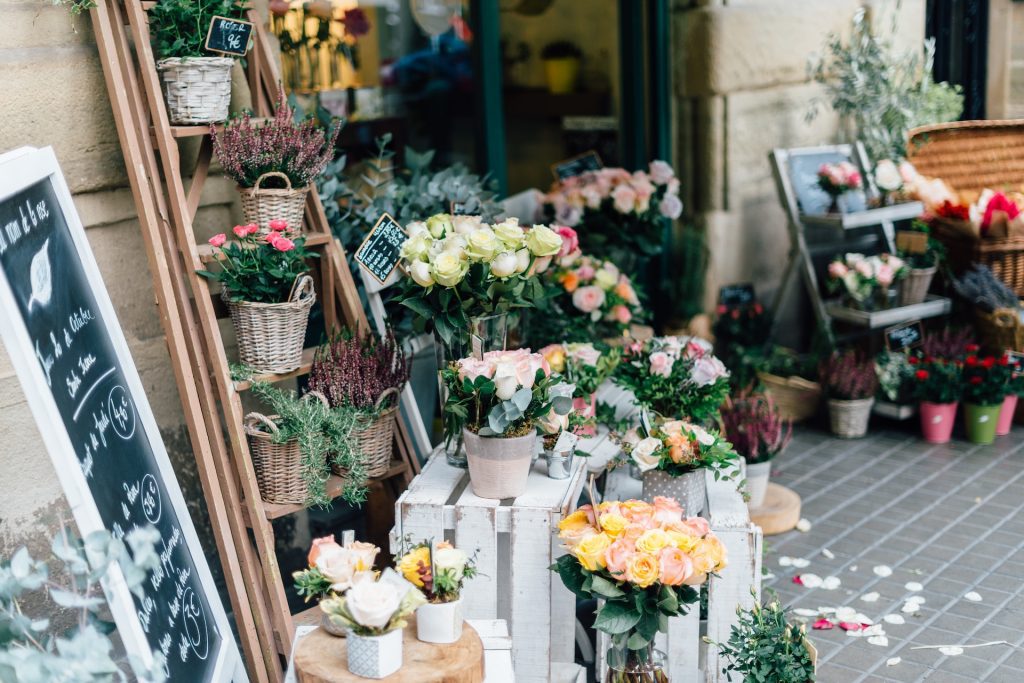
Choosing the right flowers for specific occasions is both an art and a practice steeped in cultural significance. When buying flowers for birthdays, vibrant and cheerful flowers like sunflowers or gerberas evoke joy and celebration.
Weddings often feature roses or peonies, symbolizing love and happiness. In fact, roses are best for every relation and every occasion. In contrast, funerals call for more subdued flowers like white lilies or chrysanthemums, representing respect and condolence.
Cultural perceptions vary significantly; for instance, white flowers, seen as symbols of purity in Western cultures, may signify mourning in some Eastern traditions. Understanding these cultural nuances ensures that the flower choice respectfully aligns with the sentiment and context of the occasion.
Understanding Colors and Their Meanings
The color of a flower carries as much significance as its species, each hue conveying a unique message:
- Red, the color of passion and deep affection, is often chosen for romantic gestures, epitomized by the classic red rose.
- Yellow, radiating warmth and joy, symbolizes friendship and is ideal for celebrating platonic relationships, as seen in yellow tulips or daisies.
- White flowers, like lilies and orchids, denote purity and innocence, making them suitable for weddings or sympathetic occasions.
When choosing flower colors, consider the emotion you wish to express: vibrant oranges for enthusiasm, soft pinks for admiration, or purples for dignity and success. Selecting the appropriate color enhances the sentiment behind your floral gift, making it a more meaningful and personalized gesture.
Number and Arrangement of Flowers
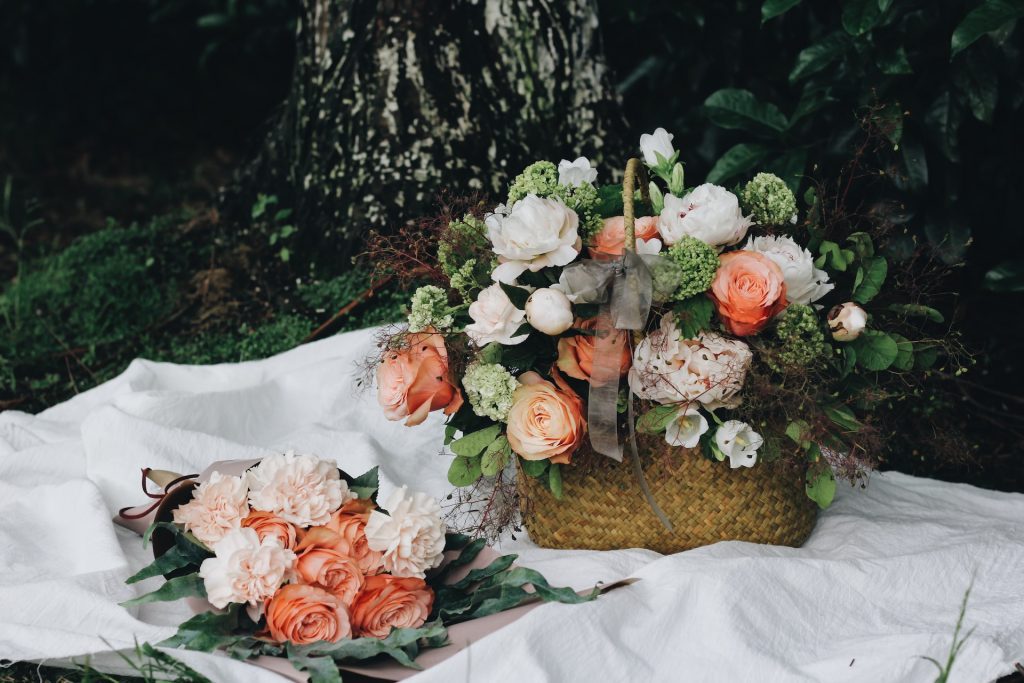
The number of flowers in a bouquet can carry symbolic meaning. An odd number of blooms is often preferred for its aesthetic balance, especially in many European cultures. In some traditions, certain numbers have specific connotations; for instance, a dozen roses typically symbolize a complete cycle, often used to denote an ‘eternal' love.
Choosing the right arrangement style depends on the occasion and setting. Formal events call for structured, symmetrical arrangements, perhaps in a classic dome shape.
Casual occasions allow for more creative liberty, with loose, asymmetrical arrangements that incorporate a variety of flowers and foliage, reflecting a more relaxed and personal touch.
Special Considerations for Allergies and Personal Preferences
When gifting flowers, being mindful of allergies is crucial. Opt for hypoallergenic flowers like roses, peonies, or orchids, which are less likely to trigger allergic reactions, as opposed to pollen-heavy flowers like chrysanthemums or sunflowers. Also, consider fragrance-free blooms for sensitive recipients.
Additionally, tailoring your choice to the recipient's personal preferences demonstrates thoughtfulness. Notice the colors, types, or arrangements they favor.
Do they adore bold, exotic flowers, or do they prefer classic, understated elegance? Matching the bouquet to their taste not only personalizes the gift but also ensures it's received with genuine appreciation and delight.
Sustainability and Ethical Sourcing of Flowers
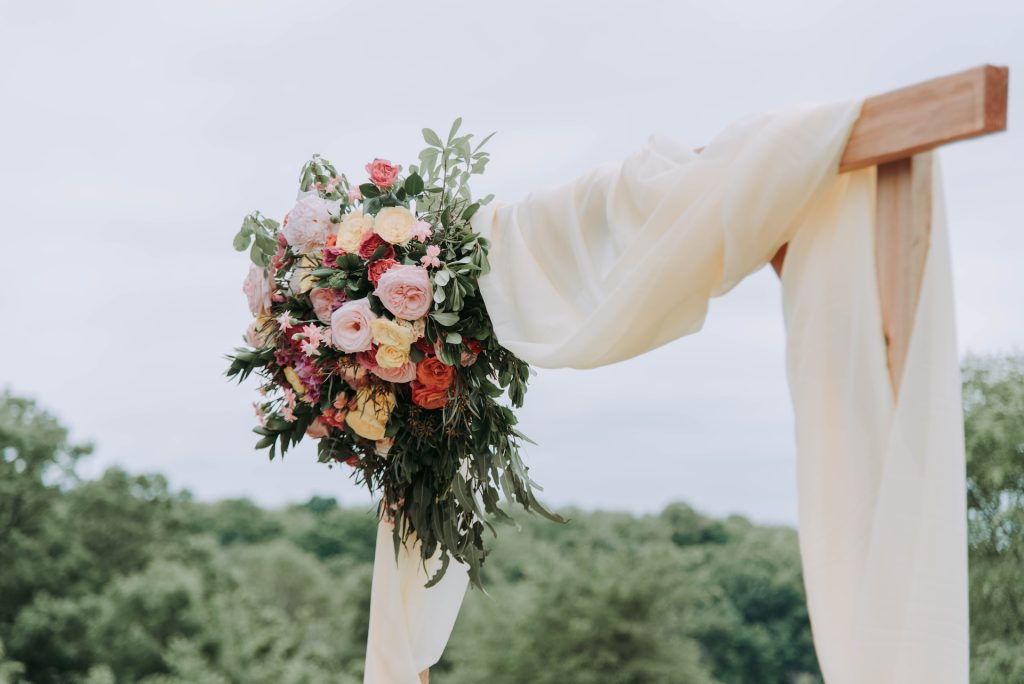
Embracing sustainability and ethical sourcing in flower gifting is increasingly important in today's environmentally conscious world.
Choosing sustainably sourced flowers means supporting practices that are kind to the planet, such as organic farming methods, reduced pesticide use, and responsible water management. This approach helps protect biodiversity and ensures the well-being of workers in the floriculture industry.
To gift flowers eco-consciously, consider the following recommendations:
- Local and Seasonal: Opt for flowers grown locally and in season. This reduces the carbon footprint associated with long-distance transportation and supports local economies.
- Eco-Friendly Florists: Seek out florists who prioritize sustainability, using organic, fair-trade blooms and eco-friendly packaging.
- Potted Plants: As an alternative to cut flowers, potted plants can be a sustainable and lasting gift, continuing to grow and flourish.
- Recycled or Biodegradable Materials: Choose bouquets wrapped in recycled or biodegradable materials, avoiding plastics and synthetic ribbons.
- Certifications: Look for certifications like Fair Trade or Rainforest Alliance, which indicate flowers are sourced from farms with sustainable and ethical practices.
Flower Presentation and Delivery
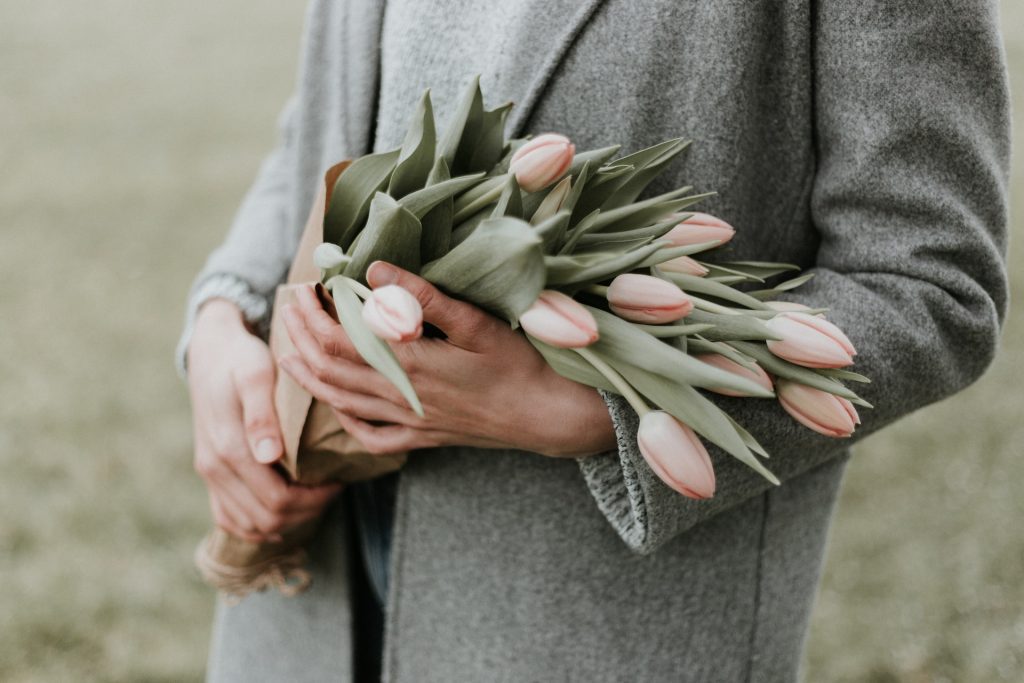
Presentation and delivery are crucial elements in the art of flower gifting, often as important as the flowers themselves. A thoughtful presentation enhances the overall experience, making the gesture more memorable.
Hand-Delivery vs. Professional Service
- Hand-Delivery: Personal delivery adds a heartfelt touch, showing extra effort and care. It's ideal for intimate occasions or when you wish to see the recipient's reaction firsthand. Ensure the bouquet is well-protected during transport, especially in extreme weather.
- Professional Service: For long-distance gifting or surprise elements, a reliable professional service is key. They can ensure the flowers arrive in perfect condition and can often accommodate specific delivery times or locations.
Etiquette of Including a Card or Note
- A card or note with the flowers is essential as it personalizes the gift and conveys your message. Even if the sentiment is evident, a few written words add a layer of thoughtfulness.
- The message should align with the occasion and your relationship with the recipient. It could range from a simple ‘Happy Birthday' or ‘Thinking of You' to a more heartfelt, detailed message for closer relationships or significant events.
- Handwriting the note adds a personal touch. If your handwriting is less legible, typed notes are acceptable but aim for a warm, personal tone.
- In professional settings, keep the note formal and concise, ensuring it's appropriate for the relationship and context.
International Flower Gifting Etiquette

International flower gifting etiquette varies greatly, reflecting the rich tapestry of cultural norms and traditions across the globe. Understanding these nuances is crucial when gifting flowers in a global context.
Variations Across Countries
- Asia: In countries like China and Japan, the type and number of flowers hold significant meaning. For instance, white flowers are often associated with funerals, and the number four is avoided due to its association with death.
- Europe: European flower gifting varies; for instance, in Italy, chrysanthemums are typically reserved for mourning. In Russia, even numbers of flowers are for mourning, so bouquets should always have an odd number.
- Middle East: In Middle Eastern cultures, modesty in flower gifting is appreciated. Overly lavish arrangements might be considered ostentatious.
- United States: The U.S. is more flexible, but certain flowers like red roses (symbolizing romantic love) are context-specific.
Etiquette Tips for International Gifting
- Research Cultural Significance: Before gifting flowers internationally, research the specific cultural meanings and traditions to avoid misunderstandings.
- Consider Local Customs: Be aware of local customs regarding flower types, colors, and numbers.
- Use Professional Florists: Local florists can provide valuable insights into appropriate choices and ensure that your bouquet adheres to cultural norms.
- Be Mindful of Religious and Cultural Festivals: Certain flowers or colors may be more suitable during specific festivals or occasions.
- Opt for Universally Accepted Flowers: If in doubt, opt for universally accepted flowers like roses (in appropriate colors), tulips, or carnations, which are generally well-received in many cultures.
By respecting these international variations and adhering to local customs, you ensure that your floral gift is received with the warmth and sentiment with which it was sent.
Wrapping Up
Flower gifting is an exquisite art form enriched by etiquette and cultural significance. Embrace this timeless tradition to express emotions, celebrate occasions, and bridge cultural divides. Whether through a carefully chosen bouquet or a thoughtfully written note, let the timeless language of flowers convey your heartfelt messages and sentiments.