In the bustling world of restaurant kitchens, where precision and artistry collide, there exists a humble yet indispensable tool—the chef's knife. This unassuming blade is the heartbeat of every culinary endeavor, effortlessly transforming raw ingredients into delectable masterpieces. But beyond its unpretentious appearance lies a world of craftsmanship and expertise.
In this comprehensive guide, we embark on a journey through the realm of chef's knives in restaurants. From dissecting the knife's anatomy to delving into the intricate art of knife selection, maintenance, and safety, we'll equip you with the knowledge and skills needed to navigate the culinary cosmos.
So, join us as we unveil the secrets of this essential kitchen companion and celebrate its pivotal role in crafting culinary excellence.
The Role of Chef's Knives in Restaurant Kitchens
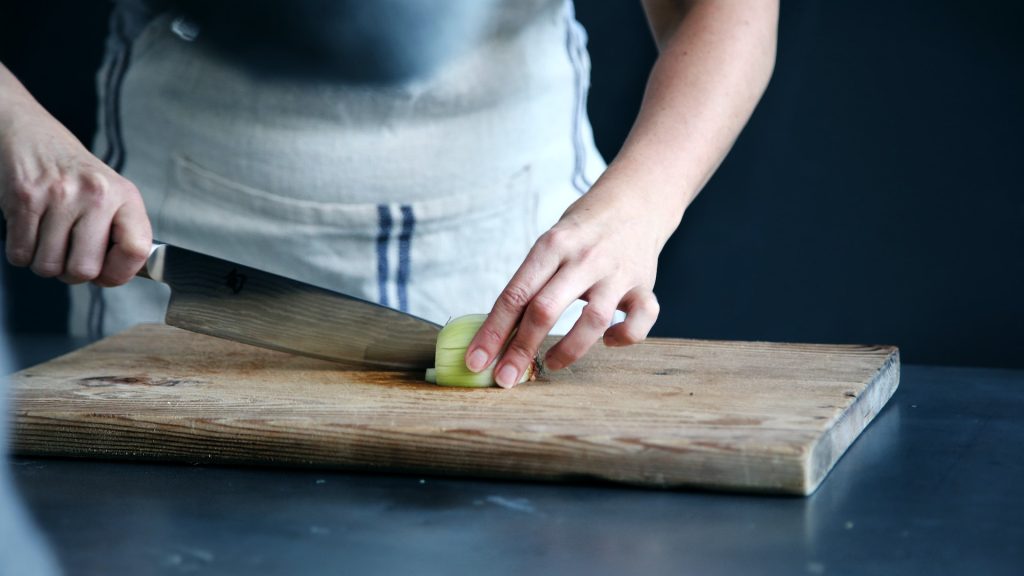
In the high-stakes world of restaurant kitchens, precision and efficiency are paramount. Amidst the chaos and artistry of creating culinary delights, one tool emerges as the unsung hero: the chef's knife.
Its significance cannot be overstated, for it stands at the forefront of every culinary operation, orchestrating a symphony of flavors and textures with each graceful stroke.
The Heartbeat of the Kitchen
Chef's knives are the heartbeat of restaurant kitchens. They are the go-to instrument for chefs and kitchen staff, serving as a versatile and indispensable extension of their hands. These knives are meticulously crafted to provide the ultimate control, balance, and sharpness, making them the ideal choice for a wide range of tasks.
From slicing delicate herbs to precisely dicing vegetables or expertly deboning meats, chef's knives excel in tasks that demand finesse and accuracy.
Unparalleled Versatility
One of the key reasons chef's knives occupy such a central role is their unparalleled versatility. In the frenetic environment of a restaurant kitchen, chefs need a single tool that can adapt to diverse cutting techniques and ingredients.
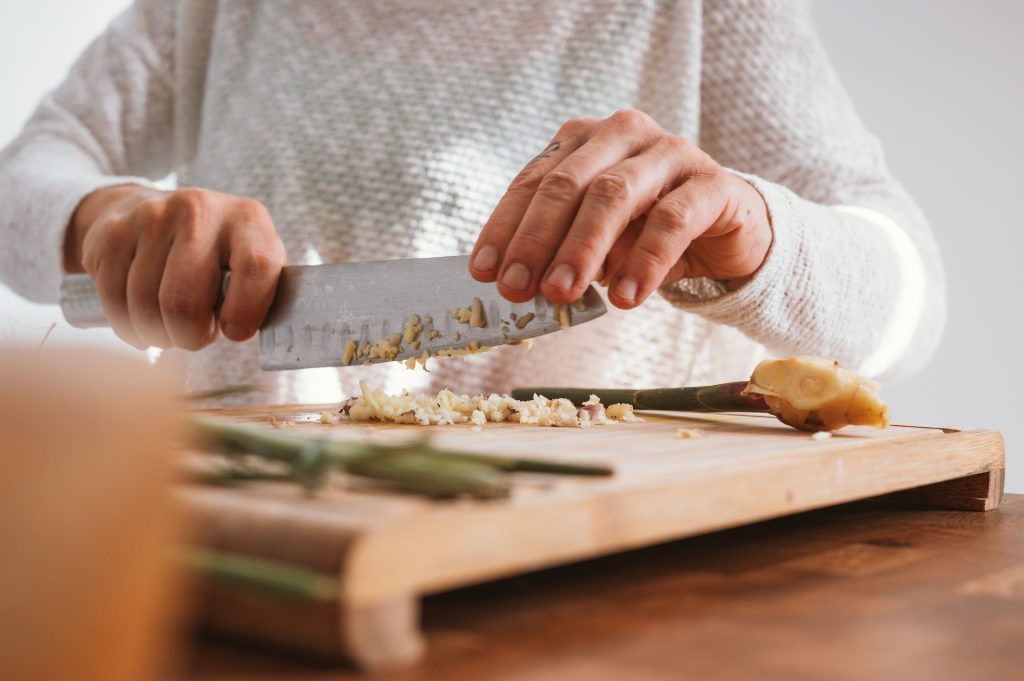
Chef's knives fit this bill perfectly, allowing chefs to seamlessly transition from chiffonading basil to mincing garlic without missing a beat. This versatility not only saves time but also streamlines the cooking process, resulting in dishes that are consistently well-prepared.
Essential for Efficiency
Efficiency is the lifeblood of any restaurant, and chef's knives are essential in maintaining it. These knives empower chefs to work swiftly and accurately, enabling them to handle high volumes of ingredients efficiently during peak service hours.
Whether it's the precise julienning of vegetables for a stir-fry or the delicate filleting of a fish for a signature dish, chef's knives ensure that the kitchen operates like a well-oiled machine.
Anatomy of a Chef's Knife

A chef's knife, often referred to as the workhorse of the kitchen, boasts a thoughtfully designed anatomy that contributes to its exceptional performance. Let's dissect this culinary tool into its key components: the blade, handle, bolster, and tang, each playing a crucial role in its functionality.
Blade: The blade of a chef's knife is its most prominent feature. Typically ranging from 6 to 12 inches in length, it comes in various shapes, such as the classic French or German curve or the flatter Japanese profile.
The blade's primary purpose is to cut, slice, chop, and dice ingredients with precision. The choice of blade material, often stainless steel or carbon steel, affects its durability and sharpness retention.
Handle: The handle of a chef's knife is the grip by which the user holds and controls the knife. It can be crafted from various materials, including wood, plastic, or composite materials.
The handle's significance lies in providing comfort and stability during prolonged use, ensuring that chefs maintain a secure grip and reduce the risk of accidents.
Bolster: The bolster is a thick, metal junction where the blade meets the handle. This component adds weight and balance to the knife while also protecting the user's hand from slipping onto the blade. A well-designed bolster contributes to stability, control, and safety when using the chef's knife.
Tang: The tang is the hidden extension of the blade that runs through the handle. It can be full, partial, or rat-tail, with a full tang being the most desirable for durability and balance. The tang's significance lies in providing strength and stability to the knife's structure, ensuring it can withstand the rigors of daily use.
Choosing the Right Chef's Knife
Selecting the ideal chef's knife is a decision that demands careful consideration from restaurant chefs, as it greatly influences their daily culinary endeavors. Three critical factors come into play when making this choice:
Blade Types: Chef's knives come in various blade types, with the most common being French, German, and Japanese. French knives have a curved edge and are versatile for slicing, chopping, and rocking motions.
German knives are known for their heft and durability, suitable for heavy-duty tasks. Japanese knives are prized for their sharpness and precision, ideal for intricate cuts and fine slicing. The choice of blade type depends on the chef's preferred cooking style and techniques.
Blade Materials: Chef's knife blades are primarily crafted from stainless steel or carbon steel. Stainless steel blades are resistant to rust and stains, making them low-maintenance.
Carbon steel blades, on the other hand, offer superior sharpness and edge retention but require more care. Chefs should consider their willingness to maintain the knife and the kitchen's humidity level when choosing between these materials.
Handle Designs: Chef's knife handles are available in Western and Japanese designs. Western handles are typically curved and offer a comfortable, ergonomic grip.
Japanese handles tend to be straight and provide a precise, controlled feel. The choice of handle design is often a matter of personal preference and hand size.
Knife Maintenance and Safety in Restaurant Kitchens
Proper knife maintenance is not only essential for the longevity of chef's knives but also a critical aspect of kitchen safety. Keeping these indispensable tools in top condition ensures they perform optimally while minimizing the risk of accidents in a busy restaurant kitchen.
Maintenance Tips
- Regular Cleaning: Clean chef's knives immediately after use to prevent food residue from hardening. Use warm, soapy water and a non-abrasive sponge, and always hand wash to preserve the blade's integrity.
- Drying: Thoroughly dry knives after washing to prevent moisture-related issues like rust. Avoid air-drying as it can lead to water spots; instead, use a towel or cloth.
- Proper Storage: Invest in knife storage solutions like magnetic strips, knife blocks, or blade guards to protect the knife's edge and prevent accidents.
- Sharpening: Regularly maintain the knife's sharpness using a honing rod or whetstone. Professional sharpening services are also advisable to maintain the blade's precision.
- Avoid Dishwashers: Never place chef's knives in dishwashers, as the high water pressure, heat, and detergent can damage the blade and handle.
Safety Measures
- Hand Placement: Always use the proper hand placement when handling a knife. The guiding hand should hold the ingredient securely, while the other hand should grip the knife's handle firmly.
- Cutting Surface: Utilize a stable, non-slip cutting board to prevent the knife from slipping during use. Wooden or plastic boards are recommended to protect the blade's edge.
- Cut Away: Keep the edge of the knife facing away from your body and maintain a safe distance between your fingers and the blade while cutting.
- No Rush: In a busy restaurant kitchen, it's easy to feel rushed, but prioritize safety over speed. Rushing can lead to accidents. Maintain a calm and focused approach to knife work.
- Passing Safely: When passing knives to colleagues, always do so with the blade facing downward and offer the handle first.
Chef's Knives vs. Utility Knives
When it comes to selecting the right knife for the job in a restaurant kitchen, two common contenders are chef's knives and utility knives. Both have distinct designs and purposes, making them suitable for different tasks and scenarios. Let's compare and contrast these two knife types:
Design and Purpose
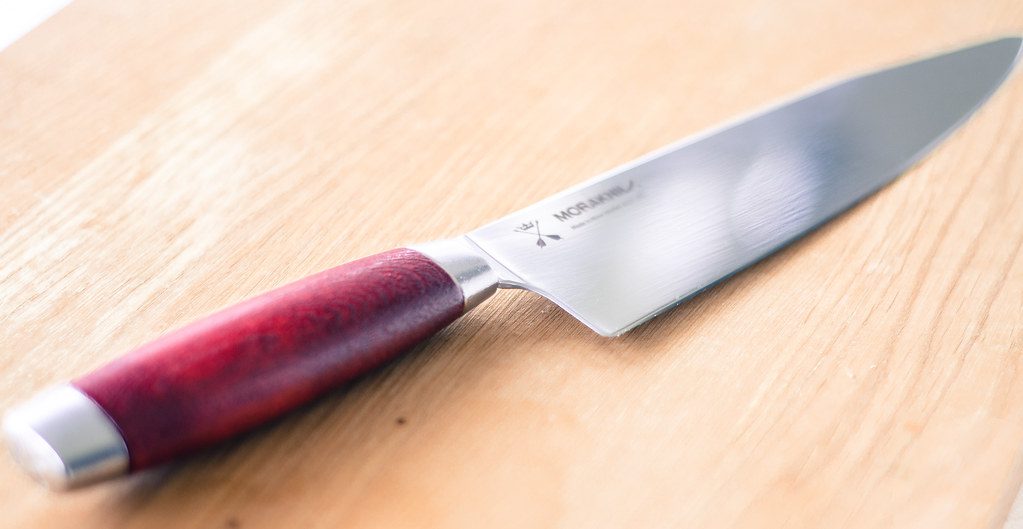
Chef's Knife
- Design: Chef's knives typically feature a wide, curved blade that tapers to a sharp point. The length can vary, but it's generally between 6 to 12 inches.
- Purpose: Chef's knives are versatile workhorses designed for a wide range of tasks. They excel at chopping, slicing, dicing, and mincing ingredients with precision and efficiency.
- When to Use: Chef's knives are ideal for tasks that require more significant cutting power and versatility, such as breaking down whole poultry, slicing large vegetables, or chopping herbs.
Utility Knife
- Design: Utility knives have a narrower and shorter blade compared to chef's knives. They typically range from 4 to 7 inches in length.
- Purpose: Utility knives are designed for more specialized, precise cutting tasks. They strike a balance between a chef's knife and a paring knife, making them suitable for various medium-sized jobs.
- When to Use: Utility knives shine when you need a knife that's smaller and more maneuverable than a chef's knife but more versatile than a paring knife. They're great for tasks like trimming, slicing smaller fruits and vegetables, or deboning chicken breasts.
Scenarios for Preference
- Prepping Smaller Ingredients: When prepping small or delicate ingredients like shallots, garlic cloves, or strawberries, a utility knife's smaller blade provides better control and precision.
- Precision Work: For intricate tasks like peeling, deveining shrimp, or trimming fat from meat, a utility knife's narrower blade allows for more detailed and delicate work compared to a chef's knife.
- Quick, Light Tasks: When you need to grab a knife quickly for simple slicing or dicing tasks, a utility knife can be more convenient than a larger chef's knife.
- Limited Space: In cramped kitchen spaces or during fast-paced service, the smaller size of a utility knife makes it easier to maneuver and store.
Conclusion
In the bustling world of restaurant kitchens, the chef's knife reigns supreme as an indispensable tool. Its versatility, precision, and ability to transform raw ingredients into culinary masterpieces make it the heart and soul of every chef's arsenal. Share your thoughts or experiences with chef's knives; they are the unsung heroes that shape the art of dining.