- Liquid I.V. costs roughly $1.50 to $2.00 per packet, which adds up fast if you're using it daily. The science behind it is real, but the sugar content is a legitimate concern.
- It works best for specific situations like post-workout recovery, hangovers, travel, and illness. It's overkill for someone sitting at a desk who just needs to drink more water.
- Unilever bought Liquid I.V. in 2020, and the marketing budget exploded. The product hasn't changed much since then, but the hype certainly has.
What Liquid I.V. Actually Is (And Isn't)
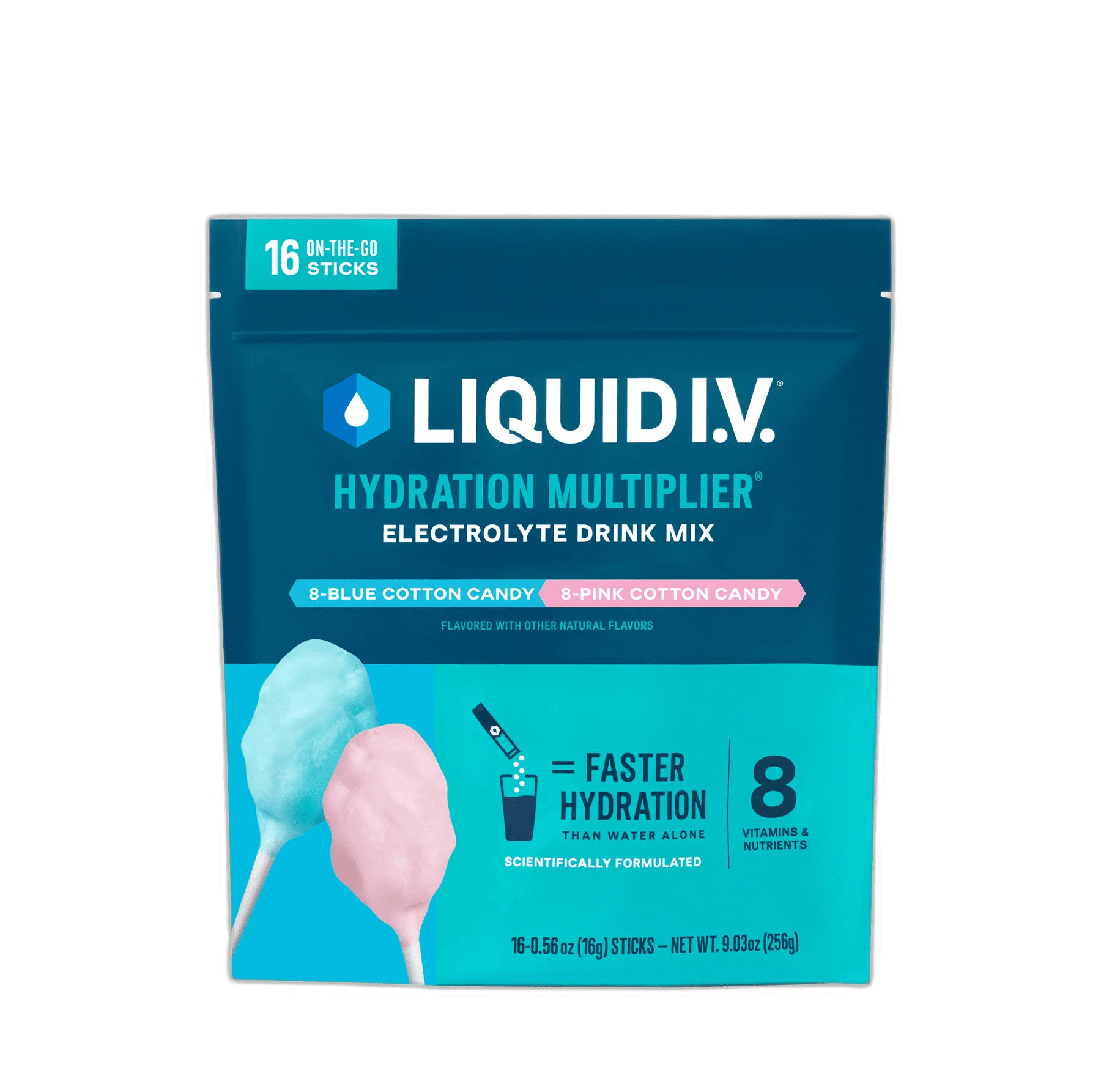
Liquid I.V. is a powdered electrolyte drink mix that you stir into 16 ounces of water. The company claims it hydrates you 2-3x faster than water alone, thanks to something they call Cellular Transport Technology (CTT). It comes in stick packets, which makes it easy to toss in a gym bag or carry-on.
The brand launched in 2012 and spent years as a niche product popular with festival-goers and athletes. Then Unilever acquired it in 2020 for a reported $500 million, and suddenly Liquid I.V. was everywhere. Costco endcaps, Instagram ads, celebrity endorsements. The product itself didn't change much. The visibility did.
Here's what it isn't: medicine. It's not a substitute for IV fluids (despite the name). It won't cure your hangover, though it'll make it more bearable. And it's not a magic hydration solution for people who simply don't drink enough water throughout the day.
The Science: Does CTT Actually Work?
CTT stands for Cellular Transport Technology, which sounds impressive until you realize it's basically a branded name for Oral Rehydration Solution (ORS). ORS has been around since the 1960s and has saved millions of lives in developing countries where IV access is limited. The World Health Organization has endorsed it for decades.
The principle is simple: a specific ratio of sodium, potassium, and glucose activates a co-transport mechanism in your small intestine. This pulls water into your bloodstream faster than water alone. It's real science backed by real research. But calling it “CTT” and slapping a trademark on it is pure marketing.
What the Research Shows
Liquid I.V. has funded some of its own studies, which showed improved hydration markers compared to water alone. Independent research on ORS formulations broadly supports the concept. Your body does absorb water faster when electrolytes and glucose are present in the right ratios.
But here's the catch. Most of the dramatic benefits of ORS show up when you're genuinely dehydrated. If you're moderately hydrated and just want to feel a bit better, the difference between Liquid I.V. and a glass of water with a pinch of salt is much smaller than the marketing suggests.
The “2-3x faster hydration” claim is based on the general ORS mechanism, not on some proprietary breakthrough. Any well-formulated electrolyte mix using the same ratios would produce similar results.
What's in a Packet (The Good and the Bad)
Let's look at what you're actually putting in your body. Each Hydration Multiplier packet contains:
- 500mg sodium (22% of daily value)
- 370mg potassium (8% of daily value)
- 11g sugar
- 45 calories
- B vitamins (B3, B5, B6, B12)
- Vitamin C (76mg)
The Sugar Problem
Eleven grams of sugar per packet. That's the elephant in the room. Liquid I.V. uses cane sugar as part of its ORS formula, and glucose is technically necessary for the co-transport mechanism to work. But 11g is on the higher side compared to competitors.
If you're using one packet a day, that's 77g of added sugar per week just from your “healthy” hydration habit. For context, the American Heart Association recommends no more than 25-36g of added sugar per day. One packet won't blow your budget, but it's not insignificant either.
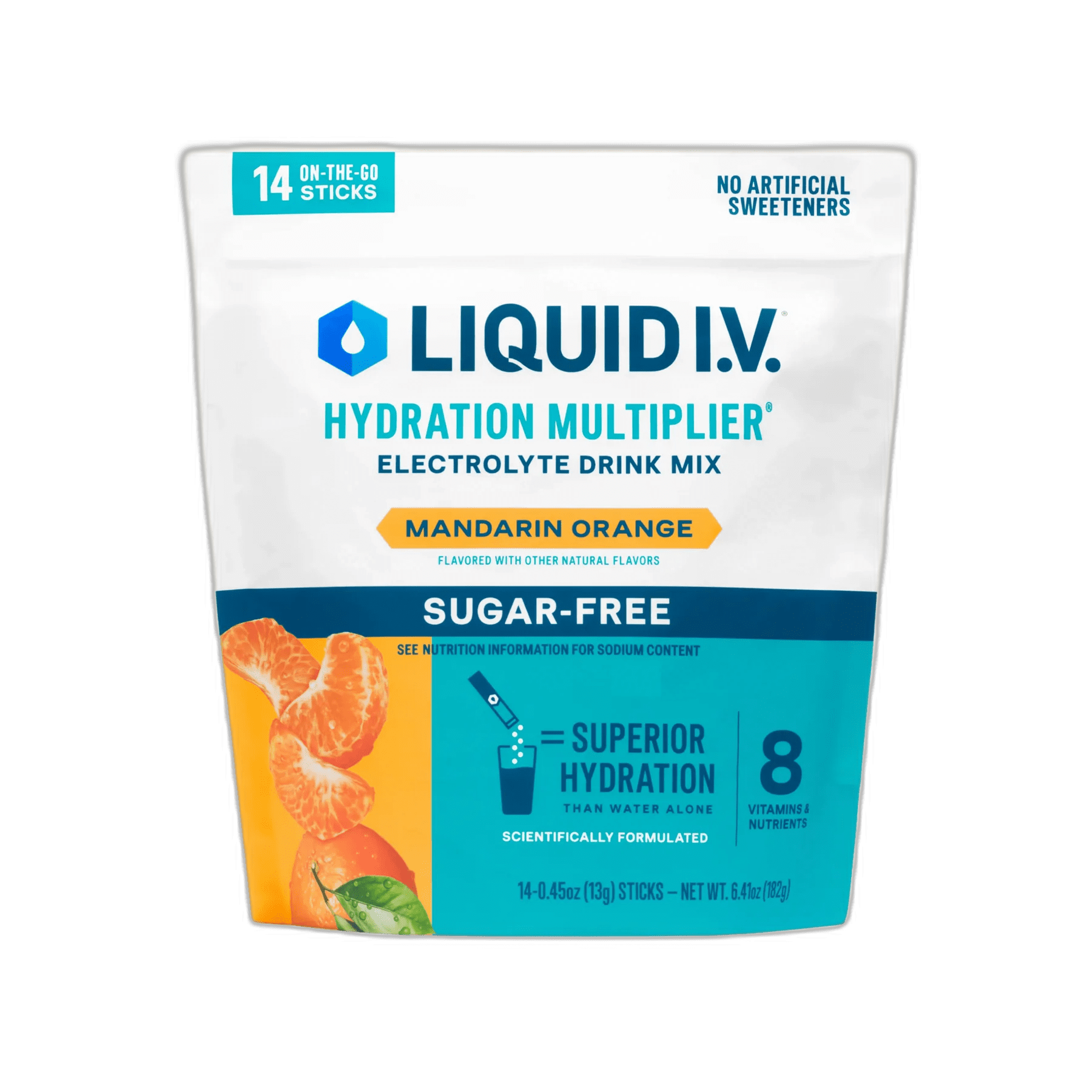
Liquid I.V. does offer a Sugar-Free line that uses stevia and erythritol instead. The taste is different (more artificial, less smooth), and some people report digestive issues with sugar alcohols. But it's there if sugar is a dealbreaker for you.
The Sodium Situation
500mg of sodium is significant. That's more than a small bag of chips. If you're sweating heavily during a workout or recovering from illness, that sodium is exactly what you need. If you're sitting at your desk and just want flavored water, it's more than necessary.
People with high blood pressure or those on sodium-restricted diets should talk to their doctor before making Liquid I.V. a daily habit. This isn't a scare tactic. It's just common sense given the sodium content.
The Flavor Lineup: What's Worth Trying
Liquid I.V. has expanded its flavor range considerably. Here's an honest take on the main ones:
The Best Flavors
- Lemon Lime: The original and still the best. Clean taste, not too sweet, mixes well. If you're trying Liquid I.V. for the first time, start here.
- Passion Fruit: Tropical without being cloying. A solid second choice.
- Watermelon: Sweet but refreshing. Works great ice cold. Can be a bit much at room temperature.
The Middle of the Pack
- Strawberry: Fine but forgettable. Tastes like a vitamin C supplement.
- Acai Berry: Slightly earthy. You'll either love it or find it weird.
- Tropical Punch: A bit too sweet for most adults. Tastes like it was designed for kids.
Skip These
- Concord Grape: Tastes artificial and leaves a weird aftertaste.
- Piña Colada: Overwhelming coconut flavor that doesn't work in a water-based drink.
If you're unsure, buy the variety pack before committing to a full box of one flavor. Taste is subjective, and $25 on a flavor you hate is money wasted.
Pricing: Where and How to Buy
Liquid I.V. pricing depends heavily on where you buy it and how much you buy at once.
- Direct from liquid-iv.com: Around $24.99 for a 16-pack ($1.56/packet). Subscription drops it to about $21.24 (15% off).
- Amazon: Usually $23-$25 for a 16-pack, but prices fluctuate. Subscribe & Save can bring it down to around $20-$22.
- Costco: The best deal, period. You can get a 30-pack for around $27-$30 ($0.90-$1.00/packet). If you have a membership, this is the move.
- Target/Walmart: Around $13-$15 for a 6-pack ($2.17-$2.50/packet). Convenient but the worst value.
- Single packets: Available at some gas stations and convenience stores for $2.50-$3.00. Emergency use only.
The price difference between Costco and a single packet at a gas station is almost 3x. If you know you like the product, buying in bulk saves serious money over time.
Beyond Hydration Multiplier
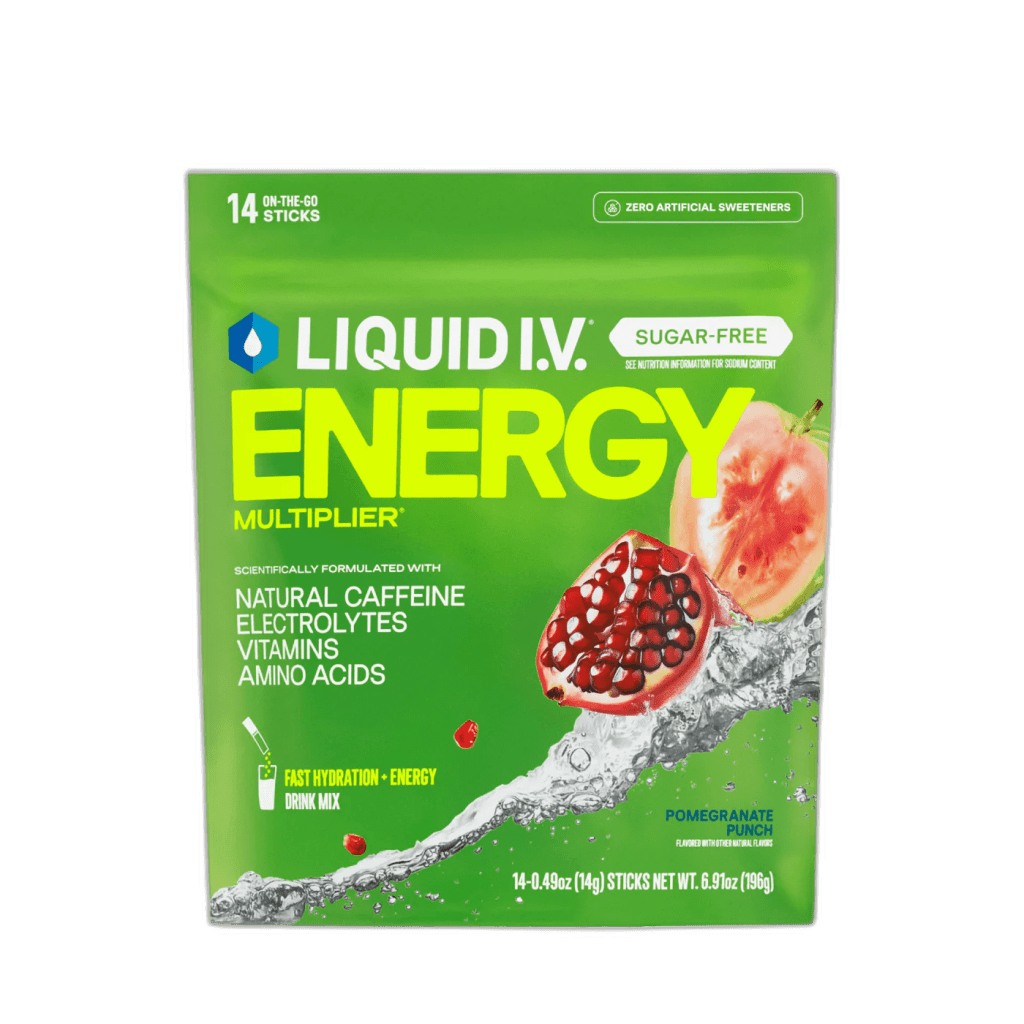
Liquid I.V. has expanded into other product lines, including Energy Multiplier (caffeine + electrolytes, about $1.75/packet), Sleep Multiplier (melatonin + L-theanine, around $2.00/packet), and Immune Support (vitamin C + zinc, roughly $1.75/packet). The Hydration Multiplier is still the flagship and best-selling product. The others are fine, but you can get caffeine, melatonin, and vitamin C from cheaper sources.
When Liquid I.V. Is Worth It
Not everyone needs an electrolyte mix. Here's where Liquid I.V. genuinely shines and where you're better off saving your money.
Good Use Cases
- After intense workouts: If you're sweating heavily for 60+ minutes, the sodium and potassium replacement is genuinely helpful. This is what electrolyte mixes were designed for.
- Hangover recovery: Alcohol is a diuretic. You're dehydrated. Liquid I.V. before bed or first thing in the morning will speed up recovery. This is probably the most popular use case, even if the brand doesn't advertise it heavily.
- Travel: Flying dehydrates you. A packet in your carry-on for a long flight makes a real difference in how you feel when you land.
- Illness: Stomach bugs, food poisoning, anything that causes vomiting or diarrhea. This is literally what ORS was invented for.
- Hot weather work: Construction workers, landscapers, anyone doing physical labor in the heat. The electrolyte replacement is justified.
Bad Use Cases
- Daily desk hydration: If you're not sweating and not dehydrated, you don't need extra sodium and sugar. Just drink water.
- Weight loss aid: Some people think hydration helps with weight loss. It does, marginally. But 45 calories of sugar per packet isn't helping that cause.
- Replacing water entirely: Liquid I.V. is a supplement, not a substitute. You still need plain water throughout the day.
The Downsides Nobody Talks About
Liquid I.V. has a loyal fan base, and the product genuinely works for its intended purpose. But there are real downsides that the influencer crowd tends to skip over.
The sugar content is not trivial. 11 grams per packet. If you're health-conscious enough to care about hydration optimization, you should probably care about added sugar too. The sugar-free version exists but tastes noticeably worse.
It's expensive for what it is. At $1.50-$2.00 per packet, you're paying a premium for convenience and branding. A bulk electrolyte powder from a less trendy brand can cost a quarter of that per serving. The ingredients aren't exotic or hard to source.
The marketing overpromises. “2-3x faster hydration” is technically based on ORS science, but the way it's marketed implies a much bigger benefit than most people will experience in normal daily life. You're not going to feel dramatically different unless you were genuinely dehydrated to begin with.
It's not regulated like medicine. Liquid I.V. is classified as a dietary supplement, which means the FDA doesn't evaluate its claims before they go to market. The ingredients are generally safe, but the health claims get stretched further than the science supports.
Single-use plastic waste. Every packet is individually wrapped in non-recyclable packaging. If you're using one daily, that's 365 packets a year going to landfill. The brand hasn't addressed this in any meaningful way.
Shipping, Returns, and Customer Service
Orders from liquid-iv.com ship free on orders over $25 (which is basically any order of 16+ packets). Standard shipping takes 5-7 business days. Expedited options are available for an extra fee.
Returns are accepted within 30 days for unopened products. If you've opened the box and tried a few packets, you're stuck with it. This is why variety packs are smart for first-time buyers.
Customer service is responsive but generic. You'll get a friendly email back within 24-48 hours. Don't expect personalized advice. For a Unilever-owned brand, the support experience is about what you'd expect: polite, efficient, and not particularly memorable.
Who Should Buy Liquid I.V. (And Who Shouldn't)
Buy it if: You exercise intensely, travel frequently, drink alcohol regularly, or live in a hot climate. In these situations, the electrolyte replenishment is genuinely useful, and the convenience of individual packets justifies the price premium.
Skip it if: You're looking for a daily hydration habit on a budget, you're watching your sugar or sodium intake, or you're mostly sedentary. Regular water with a balanced diet provides all the hydration you need. Spending $50+ a month on flavored electrolyte powder doesn't make sense if you're not actively losing electrolytes.
The Bottom Line
Liquid I.V. is a solid electrolyte product built on legitimate science, wrapped in a whole lot of marketing. The ORS mechanism behind it works. You will hydrate faster with it than with water alone, especially when you're genuinely dehydrated. The flavors are mostly good, the packets are convenient, and it's available practically everywhere.
But it's not magic, and it's not cheap. The sugar content is a real concern for daily users, the price is inflated by branding and marketing spend, and the “2-3x hydration” claim stretches the science further than it should go. Cheaper alternatives exist that use the same ORS principles with less sugar and a lower price tag.
Use it strategically (after workouts, during travel, for hangovers) and you'll get your money's worth. Use it as a daily water replacement, and you're paying a premium for sugar water with good branding.