Bamboo clothing is becoming a trendsetter in the fashion world, but it's not just about style. This remarkable material, sourced from the fast-growing bamboo plant, is a game-changer in both sustainability and comfort. Unlike traditional fabrics, bamboo offers a unique blend of environmental friendliness and practical benefits. In this blog, we'll dive into why bamboo clothing is more than just a fashion statement.
From its impressive eco-friendly credentials to its health and comfort advantages, durability, style versatility, and ethical production, we'll explore the multifaceted reasons that make bamboo clothing a smart choice for the conscious consumer. Get ready to discover how this natural wonder is revolutionizing our wardrobes!
Environmental Benefits of Bamboo Clothing

Sustainable Growth of Bamboo
Bamboo is a true marvel of nature. It's one of the fastest-growing plants on Earth, with some species capable of shooting up a whopping three feet in just 24 hours! This rapid growth rate means bamboo is readily available, making it a highly sustainable resource. Unlike conventional cotton, which requires a lot of water, bamboo thrives with minimal water usage. This makes it a more eco-friendly option, especially in areas where water is scarce.
But that's not all – bamboo is also incredibly low-maintenance. It doesn't need pesticides or fertilizers to grow well. This is a stark contrast to many other crops used for clothing materials, which often rely heavily on chemical treatments. These chemicals not only harm the environment but can also be dangerous for the farmers and communities living nearby. By choosing bamboo, we're reducing the chemical load on our planet.
Biodegradability
When it comes to environmental impact, the life cycle of a product is crucial. Here's where bamboo clothing really shines. Once a bamboo garment has reached the end of its life, it can biodegrade, returning to nature without leaving harmful residues. This is a significant advantage over synthetic materials like polyester, which can take hundreds of years to break down, contributing to landfill and pollution problems.
Moreover, the process of bamboo decomposition is far less polluting compared to synthetics. When synthetic fabrics break down, they release microplastics and other pollutants, which can harm wildlife and ecosystems. Bamboo, on the other hand, decomposes naturally and safely. This biodegradability aspect positions bamboo as a forward-thinking choice for those who care about the planet's future.
Health and Comfort Benefits
Hypoallergenic Properties
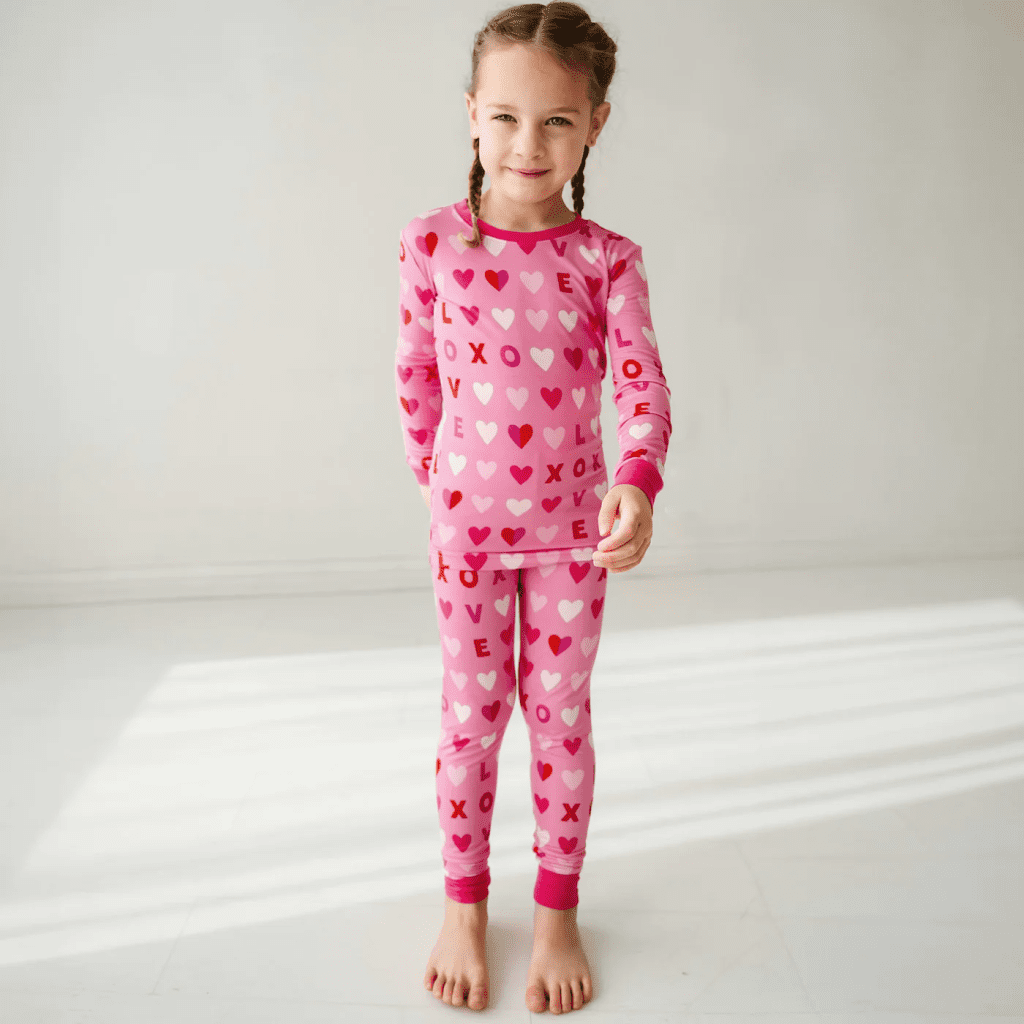
For those with sensitive skin, finding comfortable clothing can be a challenge. Bamboo clothing like bamboo pajamas and other outfits offers a soothing solution. Its hypoallergenic properties make it suitable for even the most delicate skin. Unlike some materials that can irritate or cause allergic reactions, bamboo is naturally gentle. This makes it an ideal choice for people who struggle with skin conditions like eczema or allergies.
In comparison to other natural fibers, bamboo stands out for its non-irritating nature. While fabrics like wool or hemp can be rough or scratchy, bamboo is inherently soft and smooth. This smoothness helps prevent the irritation that can occur with other natural fibers, making bamboo clothing a comfortable option for everyday wear.
Moisture Wicking and Breathability
One of bamboo's most remarkable features is its ability to wick moisture away from the skin. This makes it incredibly comfortable to wear in a variety of climates. Whether it's a hot summer day or a humid environment, bamboo clothing helps keep you dry by drawing sweat away from your skin. This feature is especially beneficial during physical activities, where staying dry is crucial to comfort and performance.
Moreover, bamboo fabric is highly breathable. It allows air to circulate freely, keeping you cool in the heat and warm in cooler temperatures. This adaptability is something synthetic materials often lack. While synthetics can trap heat and sweat, leading to discomfort, bamboo's natural breathability ensures a constant flow of air, making it a versatile fabric suitable for all sorts of activities and weather conditions.
Durability and Maintenance

Longevity of Bamboo Fabric
When investing in clothing, durability is a key factor. Bamboo fabric excels in this regard, offering impressive resistance to wear and tear. Its fibers are strong yet flexible, allowing bamboo garments to maintain their shape and smooth texture even after multiple washes. This resilience sets it apart from other fabrics, like cotton, which can weaken or thin out over time. Bamboo clothing tends to outlast its counterparts, retaining its quality and appearance for longer periods, making it a smart, long-term wardrobe investment.
Comparatively, bamboo's durability is also evident against other popular materials. For instance, synthetic fibers may start pilling or lose their color faster, and some natural fibers like linen can wrinkle excessively or require special care. Bamboo strikes a perfect balance, offering both strength and low-maintenance appeal.
Ease of Care
Speaking of maintenance, bamboo clothing is surprisingly easy to care for. It typically requires just a gentle wash cycle and can be air-dried, which not only prolongs the life of the garment but also consumes less energy. Unlike some materials that require high temperatures or specific washing conditions, bamboo is far less demanding, simplifying your laundry routine.
Moreover, the environmental impact of maintaining bamboo clothing is significantly lower than that of many other fabrics. Since bamboo clothes don’t need hot water or aggressive detergents for cleaning, their overall carbon footprint is reduced. By choosing bamboo, you're not only opting for a durable and easy-to-care-for fabric, but you're also making an environmentally conscious choice. This aspect of bamboo clothing aligns perfectly with a sustainable lifestyle, offering both practicality and a positive impact on the planet.
Versatility and Style

Wide Range of Uses
Bamboo fabric is not only about being eco-friendly and comfortable; it's also incredibly versatile in terms of fashion. You can find a wide array of garments made from bamboo, ranging from everyday basics like t-shirts and underwear to more sophisticated items such as dresses, suits, and even activewear. The natural elegance and drape of bamboo fabric make it suitable for both casual and formal wear. Its soft texture and appealing aesthetic allow for a variety of designs, catering to diverse fashion tastes and occasions.
This versatility extends to different styles as well. Whether you're into minimalistic designs, bohemian chic, or classic elegance, bamboo clothing can adapt to your personal style. It's a fabric that transcends trends, offering timeless pieces that are both stylish and sustainable.
Innovation in Bamboo Textiles
The world of bamboo textiles is constantly evolving, with ongoing innovations that enhance its appeal and functionality. One significant development is the blending of bamboo with other materials. For example, mixing bamboo with cotton enhances durability while maintaining softness, or blending it with spandex introduces stretch, making it ideal for activewear.
These innovations not only expand the range of bamboo products available but also open up future prospects in fashion. Designers are continually exploring new ways to incorporate bamboo into their collections, recognizing its benefits and appeal to environmentally conscious consumers. The fusion of bamboo with cutting-edge textile technology is likely to lead to even more exciting developments, positioning bamboo as a key player in the future of sustainable fashion.
Ethical and Social Considerations
Fair Trade and Labor Practices
The production of bamboo clothing also carries important ethical implications. When sourcing bamboo, it’s crucial to consider the fairness of trade and labor practices involved. Ethical sourcing means ensuring that the workers involved in bamboo cultivation and fabric production are treated fairly and work in safe conditions.
This consideration extends to ensuring that local communities are not adversely affected but rather benefit from the bamboo industry. Responsible brands prioritize transparency in their supply chain, supporting the welfare of both workers and their communities.
Supporting Sustainable Brands
By choosing bamboo clothing, consumers play a pivotal role in driving industry change towards sustainability and ethical practices. Supporting brands that prioritize sustainable bamboo sourcing and fair labor practices sends a powerful message. It encourages more brands to adopt responsible practices.
Highlighting and choosing brands that are leaders in sustainable bamboo clothing not only contributes to a healthier environment but also promotes a more equitable fashion industry. These brands demonstrate that style and sustainability can coexist, leading the way in a movement that values both the planet and its people.
Conclusion
Bamboo clothing stands at the forefront of a significant shift in the fashion industry. Its remarkable blend of sustainability, comfort, durability, and style points towards a future where fashion not only looks good but also does good for the planet and its inhabitants.
As consumers, we have the power to shape this future. By choosing bamboo clothing, we support a more sustainable and ethical approach to fashion. I encourage you to explore the world of bamboo clothing – experience its benefits firsthand and support brands that are committed to positive change. Together, we can make a difference, one garment at a time, paving the way for a greener, more responsible fashion landscape.