The choice of carpet can dramatically transform a room, impacting comfort, style, and even the acoustic quality. With a myriad of options available, selecting the right carpet is crucial for creating the desired atmosphere and meeting practical needs.
In this blog, we'll delve into the comparison and contrast between carpet tiles and traditional carpets, exploring which is best for your space.
Overview of Carpet Tiles
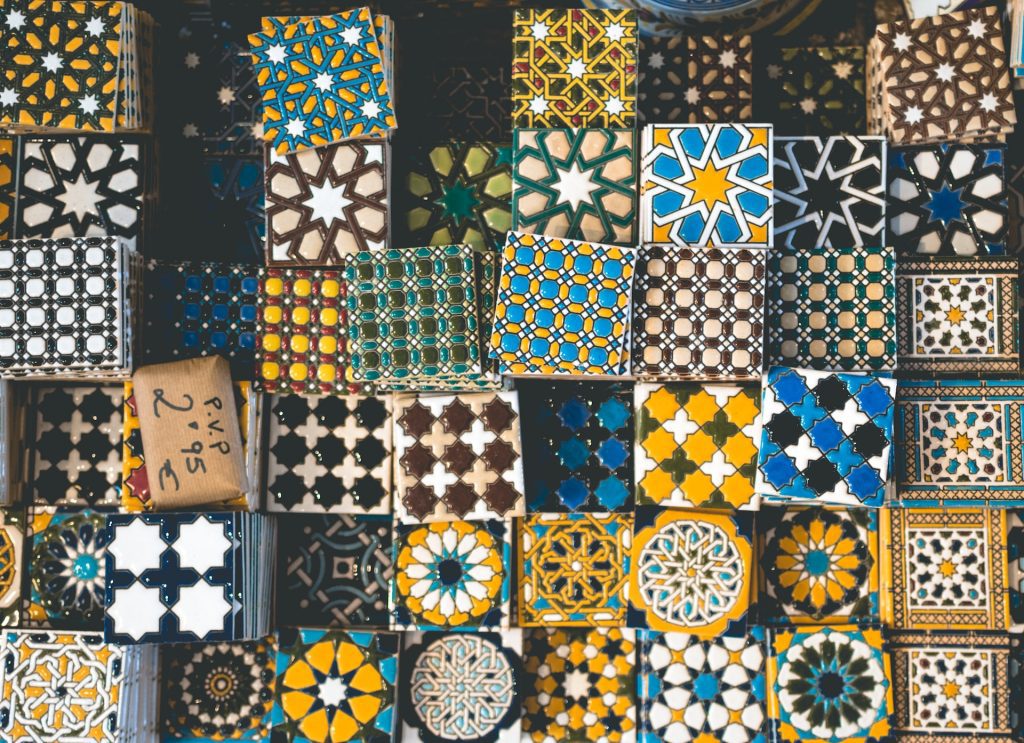
Carpet tiles, also known as modular carpets or carpet squares, are a modern and versatile flooring solution. Unlike traditional carpets that come in rolls, carpet tiles are small, square sections of carpeting that can be fitted together to cover a floor. They range in sizes, typically measuring 18×18 inches or 24×24 inches, and offer a practical and customizable approach to carpeting.
The history of carpet tiles dates back to the mid-20th century. They were initially developed as a solution for unique flooring challenges. Their evolution was driven by the need for more flexible flooring options that could accommodate irregular spaces and allow for easier installation and maintenance.
Over the years, carpet tiles have undergone significant advancements in design, texture, and material quality, transitioning from their initial utilitarian appearance to stylish options that cater to various aesthetic preferences.
Carpet tiles have gained popularity due to their convenience and adaptability. They are particularly favored in settings where ease of installation, maintenance, and replacement are vital. Here are some common places where carpet tiles are extensively used:
- Offices and Commercial Spaces: They are ideal for high-traffic areas as damaged tiles can be easily replaced without redoing the entire floor.
- Schools and Educational Facilities: Carpet tiles provide a durable, cost-effective, and low-maintenance flooring solution for classrooms and corridors.
- Homes: They are increasingly popular in residential settings, especially in basements, playrooms, and home offices, due to their ease of installation and variety in design.
- Retail Spaces: Their ability to withstand heavy foot traffic and easy replacement make them suitable for shops and showrooms.
- Healthcare Facilities: Carpet tiles are used for their ability to reduce noise and provide a comfortable walking surface, important in hospitals and clinics.
- Hospitality Industry: Hotels and restaurants use them for quick renovations and to add a touch of sophistication.
This wide application of carpet tiles is a testament to their versatility, practicality, and the broad range of design possibilities they offer. From functional to decorative, carpet tiles cater to a wide array of flooring needs across different types of spaces.
Overview of Traditional Carpets
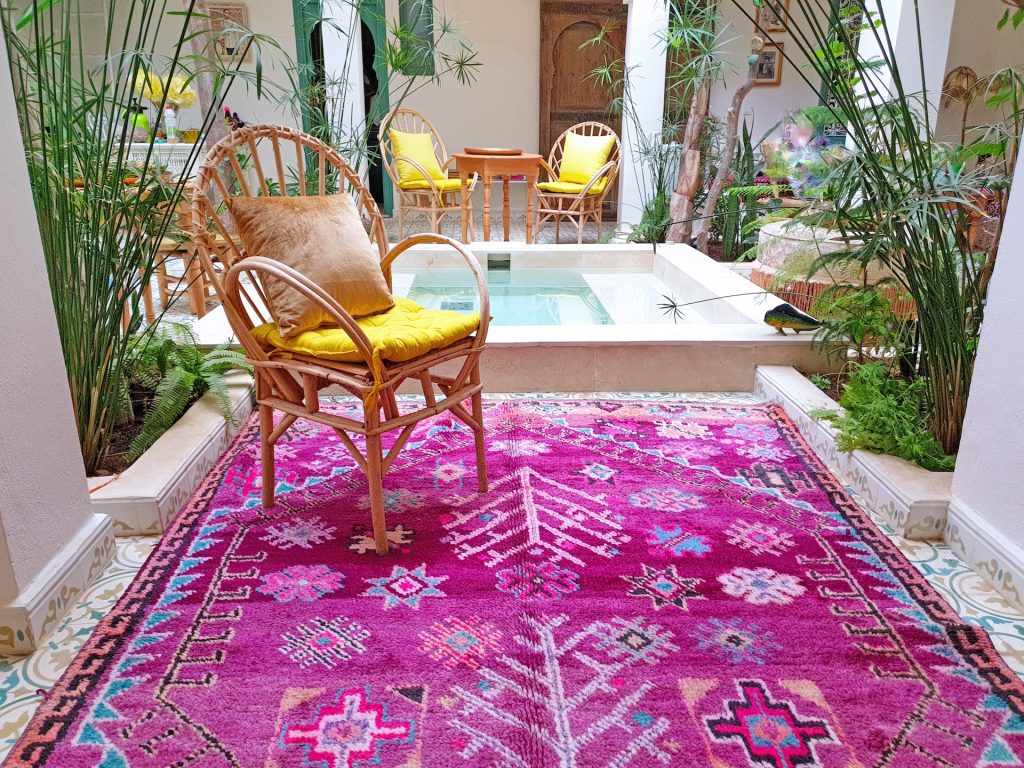
Traditional carpets, often referred to as broadloom carpets, are large, continuous carpet rolls that are typically installed wall-to-wall. This type of carpeting is distinguished by its seamless and uniform look, providing an uninterrupted floor covering that adds warmth and comfort to any space.
The history of traditional carpeting is deeply rooted in ancient cultures, with some of the earliest examples dating back thousands of years. Originally hand-woven and highly ornate, these carpets were symbols of luxury and status.
Over time, with the advent of industrial manufacturing, traditional carpets became more accessible and varied in design, allowing for widespread use in various settings.
Common applications of traditional carpets include:
- Residential Homes: Especially in living rooms, bedrooms, and hallways for a cozy and elegant look.
- Formal Spaces: Like banquet halls and ceremonial rooms, where a continuous, plush carpet adds grandeur.
- Luxury Hotels: Offering a sense of luxury and comfort in guest rooms and lobbies.
- Theaters and Auditoriums: For their acoustic properties and ability to create a visually and acoustically pleasing environment.
- Historical Buildings: Preserving the aesthetic and cultural value with period-specific designs.
- Places of Worship: Enhancing the solemn and reverent atmosphere.
Design and Aesthetic Appeal
Design Versatility
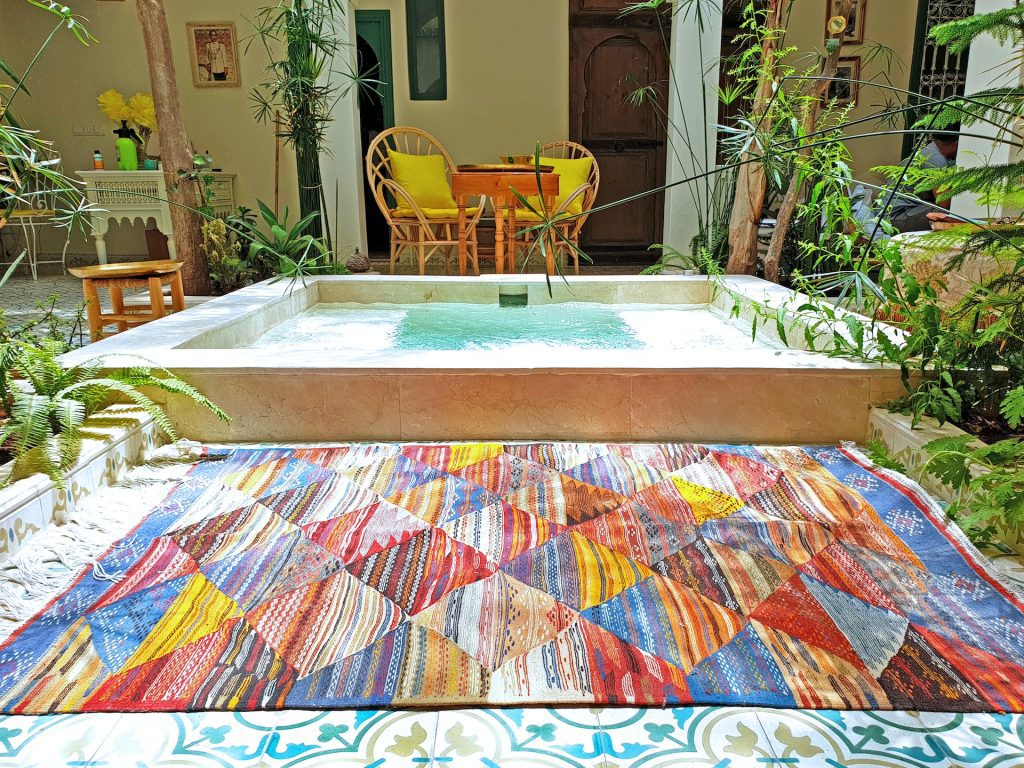
- Carpet Tiles: Carpet tiles are celebrated for their immense design versatility. They allow for creative freedom, enabling designers and homeowners to mix and match different colors, patterns, and textures to create unique and dynamic layouts.
- This modular nature makes it possible to create distinct zones within a space, add accent colors, or develop custom designs that can be changed or updated over time.
- Traditional Carpets: Traditional carpets offer a more uniform and seamless look. They are ideal for creating a cohesive and elegant appearance in a room. While they don't provide the same level of customization as carpet tiles, their broadloom nature makes them a classic choice for areas where a continuous design theme is desired.
Range of Patterns, Colors, and Textures
- Carpet Tiles: The range of options available in carpet tiles is vast. Manufacturers offer an array of choices from bold geometric patterns to subtle textured designs. The color palette is equally diverse, ranging from neutral tones to vibrant hues. The variety in textures also adds to the functional aspect, catering to different usage requirements.
- Traditional Carpets: Traditional carpets are not far behind in terms of variety. They come in a wide range of patterns, from classic florals and intricate oriental designs to contemporary abstracts. The color options are extensive, enabling them to fit into any color scheme. Texturally, they can range from plush velvets to rugged berbers, each adding a different dimension to the space.
Impact on Room Aesthetics and Style Flexibility
- Carpet Tiles: Their modularity is a game-changer in terms of style flexibility. Carpet tiles can adapt to changing decor styles, allowing for partial replacement or reconfiguration. This makes them particularly suitable for trendy or evolving spaces.
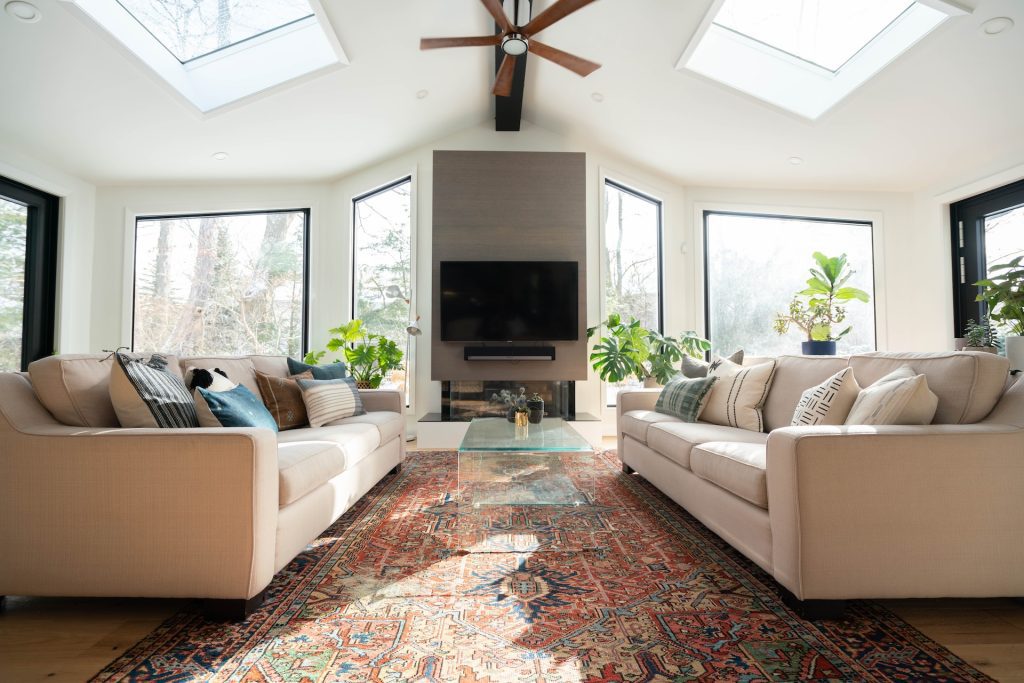
- Traditional Carpets: The timeless elegance of traditional carpets lends a sense of continuity and sophistication to a space. They are best suited for rooms where a stable, enduring style is preferred, and they excel in adding a touch of luxury and warmth.
Installation and Ease of Use
Carpet Tiles
- Ease of Installation: Carpet tiles are renowned for their ease of installation. Most carpet tiles come with a self-adhesive backing or can be laid down using a simple tackifier adhesive. This makes the process straightforward enough for DIY enthusiasts.
- Time Required: The installation of carpet tiles is generally quicker compared to traditional carpets. Their modular nature allows for rapid laying, and there's no need for stretching or extensive floor preparation.
- Professional Help: While professional installation can ensure perfection, many homeowners and office managers opt to install carpet tiles themselves, saving on labor costs.
Traditional Carpets
- Ease of Installation: Installing traditional carpets is more complex. It requires precise measurement, cutting, and often, the use of tack strips and stretching tools to ensure a snug, wrinkle-free fit.
- Time Required: The installation process for traditional carpets is generally more time-consuming, owing to the meticulous fitting and finishing required.
- Professional Help: Due to the specialized tools and skills needed, professional installation is highly recommended for traditional carpets. This ensures a flawless finish but adds to the overall cost and planning.
Durability and Maintenance
Durability
- Carpet Tiles: Generally, carpet tiles are highly durable. They are designed to withstand heavy foot traffic, making them ideal for commercial spaces and busy areas of the home. The modular nature also means that individual tiles can be replaced if they become worn, maintaining the overall look without a complete replacement.
- Traditional Carpets: Traditional carpets vary in durability based on the material and weave quality. While they can be very durable, once a section becomes worn or damaged, it often necessitates replacing the entire carpet, which can be costly and inconvenient.
Handling Wear and Tear
- Carpet Tiles: Carpet tiles excel in high-traffic areas. Their individual segments can be rotated or replaced as needed, which is cost-effective and maintains the appearance of the carpet over time.
- Traditional Carpets: They can show signs of wear in high-traffic paths, and repairs are more noticeable. The longevity in such areas may be less compared to carpet tiles.
Cleaning and Maintenance
- Carpet Tiles: They are easier to clean and maintain. Individual tiles can be lifted to address spills or stains, and they're often manufactured with stain-resistant materials.
- Traditional Carpets: Require regular vacuuming and professional cleaning for larger or more stubborn stains. The continuous nature means spot treatments can be challenging, and stains may be more noticeable.
Cost Considerations
Upfront Costs
- Carpet Tiles: Generally, have a higher initial purchase price per square foot compared to traditional carpets. However, the ease of self-installation can offset some of these costs.
- Traditional Carpets: Typically, traditional carpets are more affordable upfront. However, the cost of professional installation, which is often necessary, can increase the overall initial expense.
Long-Term Costs and Maintenance
- Carpet Tiles: While the initial investment might be higher, carpet tiles offer cost savings in the long run. Their durability and the ability to replace individual tiles rather than the entire carpet make them a cost-effective choice over time.
- Traditional Carpets: They may require more frequent replacement, especially in high-traffic areas, leading to higher long-term costs. Professional cleaning services, necessary for maintaining traditional carpets, also add to the overall expense.
Environmental Impact and Sustainability
Manufacturing Footprint
- Carpet Tiles: The production of carpet tiles can be more resource-intensive due to their individual backing and adhesive layers. However, many manufacturers are increasingly adopting recycled materials and sustainable practices.
- Traditional Carpets: The manufacturing of traditional carpets often involves extensive use of water and energy, especially for broadloom carpets. Advances in sustainable materials and efficient production methods are being implemented to reduce this impact.
Disposal and Recycling
- Carpet Tiles: They have an advantage in terms of disposal. Many carpet tile manufacturers have recycling programs, allowing used tiles to be repurposed, thereby reducing landfill waste.
- Traditional Carpets: Disposal is more challenging due to their size and construction. Recycling options are less common, but some manufacturers are exploring eco-friendly materials and recycling methods.
To sum up, carpet tiles are trendier these days. It’s because you can buy carpet tiles in a variety of designs, styles and sizes to blend with your space.