
In the dynamic world of consumerism, packaging plays a pivotal role, serving as the first encounter between a product and its potential buyer. It transcends mere containment, evolving into a powerful tool shaping perceptions and experiences. Innovative packaging goes beyond the conventional, becoming a distinctive signature that speaks volumes about a brand's identity.
The Art of Unveiling: Clear Bags in Packaging

In the realm of packaging innovation, clear bags have emerged as a distinctive trend, transforming the traditional approach to product presentation. These transparent vessels have become a canvas for brands to showcase their wares, fostering a unique and engaging interaction with consumers.
The adoption of clear bags in packaging is on the rise, marking a departure from conventional opaque counterparts. This trend is propelled by a collective shift in consumer preferences towards transparency — not just in the literal sense but in the desire for openness and honesty from the brands they support. Clear bags offer a window into the enclosed product, allowing customers an upfront and personal view of what lies within.
The appeal of transparent packaging extends beyond mere aesthetics; it creates a singular visual experience for customers. The ability to see the product through the packaging establishes a tangible connection, invoking a sense of trust and authenticity. This direct interaction with the product before purchase enhances the overall shopping experience, influencing consumer perceptions and fostering a deeper connection between the brand and its audience.
Practicality and functionality form a strong foundation for the clear bags trend. Beyond the allure of a visible product, these transparent containers offer practical benefits for both consumers and manufacturers. The easy identification of contents simplifies the decision-making process for shoppers, eliminating guesswork and ensuring they make informed choices. For manufacturers, transparent packaging streamlines inventory management and logistics, reducing the likelihood of errors in distribution.
Beyond the Traditional: Creative Packaging Concepts
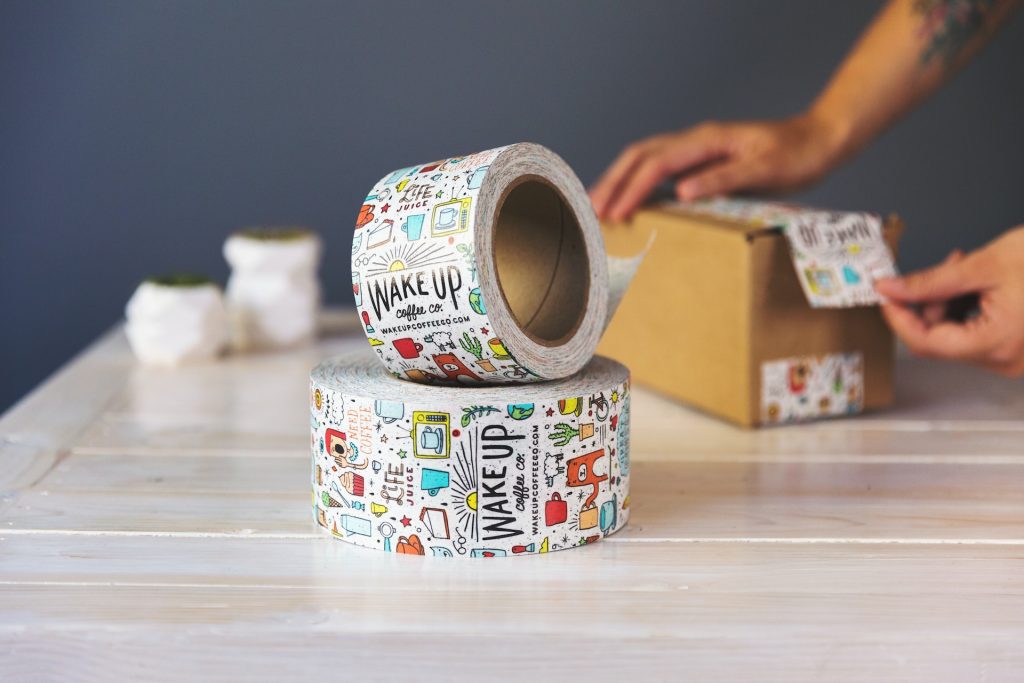
Venturing beyond the conventional, creative packaging concepts have become a playground for innovation, captivating consumers and elevating brand experiences. In this exploration of packaging ingenuity, we delve into three key aspects that redefine the very essence of product presentation.
Interactive Packaging Designs
Packaging is no longer confined to static, one-dimensional forms. Interactive packaging designs invite consumers to actively engage with the product, turning the unboxing experience into a memorable journey. Imagine a packaging that unfolds into a game, a puzzle, or an origami set. These interactive elements not only entertain but also forge a deeper connection between the consumer and the brand.
Examples abound, from packages that transform into reusable playsets for children to those with pull tabs revealing hidden messages, ensuring that the packaging becomes an integral part of the overall product enjoyment.
Multi-functional Packaging
Going beyond its primary role of containment, modern packaging is designed to serve multiple functions, adding value to the consumer's purchase. This multifunctional approach introduces versatility into the packaging, making it an indispensable part of the product experience. Packaging that doubles as a storage solution, converts into a display stand, or incorporates features like built-in handles for easy transportation exemplifies this trend.
Such designs not only enhance convenience but also contribute to reducing waste by repurposing the packaging for different needs.
Incorporating Technology
The marriage of technology and packaging design has given rise to a new era of interactive and intelligent packaging. QR codes, augmented reality, and near-field communication (NFC) are seamlessly integrated to provide consumers with an enhanced and informative experience. For instance, scanning a QR code on a food package might lead to a video showcasing the product's journey from farm to table.
Augmented reality can bring packaging to life, offering virtual previews or interactive content. These technological integrations not only captivate the modern consumer but also serve as valuable tools for brands to convey their story and values.
As we witness the evolution of packaging concepts, the key lies in creating experiences that extend beyond the tangible product.
Interactive designs, multifunctional utility, and technological integrations contribute to a holistic approach, transforming the act of opening a package into an immersive and memorable encounter. In the ever-evolving landscape of consumer expectations, creative packaging concepts pave the way for brands to stand out, leaving a lasting impression on the hearts and minds of their audience.\
The Psychology of Packaging
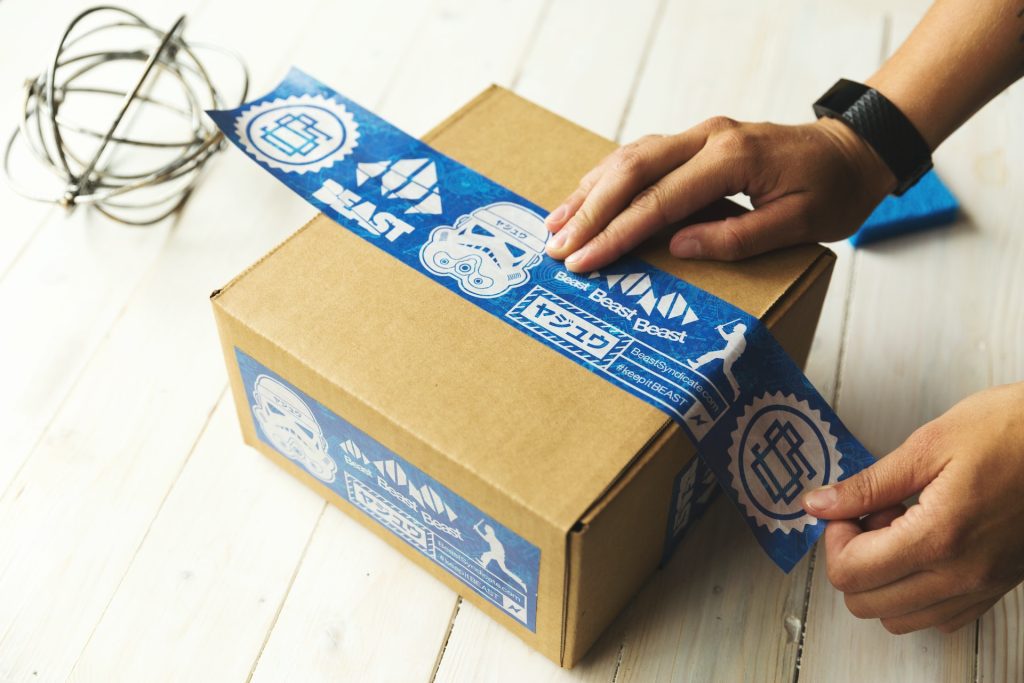
Delving into the psychology of packaging unveils a fascinating realm where colors, shapes, and forms wield profound influence over consumer perceptions and choices.
Color Psychology
The colors chosen for packaging extend far beyond aesthetics; they have the power to evoke specific emotions and shape consumer behavior. For instance, warm tones like red and orange may stimulate appetite and impulse, often seen in food packaging. Cool tones such as blue and green convey a sense of calm and trust, prevalent in health and wellness products.
Understanding color psychology allows brands to strategically communicate their intended message and resonate with their target audience, creating a subtle yet impactful connection that goes beyond the surface.
Shape and Form
Shapes and forms play a crucial role in conveying messages even before the product is revealed. The psychology behind different shapes can evoke specific feelings – a rounded package may suggest comfort and approachability, while angular shapes convey modernity and innovation. The physical form of the packaging contributes to the overall brand identity and can influence consumer expectations.
Consider, for example, the iconic Coca-Cola bottle, whose unique contour not only aids recognition but also conveys a sense of timeless elegance.
Creating Emotional Connections
Packaging serves as the initial point of contact between the product and the consumer, acting as a bridge to establish emotional connections. Whether through nostalgic designs, storytelling elements, or personalized touches, packaging has the capacity to resonate with consumers on a deeper level. Brands that successfully create emotional connections through their packaging foster loyalty and brand advocacy.
This emotional resonance can be achieved through various means, from incorporating a brand's origin story into the packaging design to employing eco-friendly materials that align with consumers' values.
In the intricate dance of consumer psychology and packaging, each color choice, shape, and emotional connection serves as a brushstroke on the canvas of brand perception. By tapping into these psychological nuances, brands can craft packaging that not only attracts attention but also leaves a lasting imprint on the minds and hearts of consumers, ensuring a memorable and impactful brand experience.
Sustainable Packaging Innovations
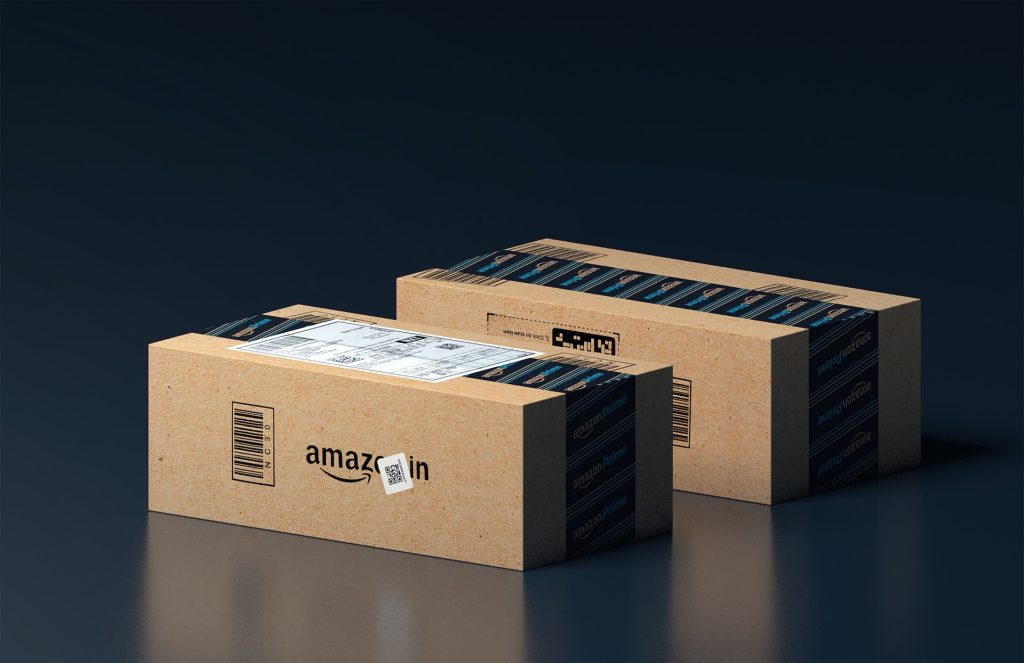
In an era of heightened environmental awareness, sustainable packaging innovations have emerged as a crucial focus for both brands and consumers. This shift towards eco-friendly practices is reshaping the packaging landscape, emphasizing responsibility and environmental stewardship.
Introduction to Eco-Friendly Packaging
The escalating global concern for environmental conservation has propelled eco-friendly packaging to the forefront of industry discussions. Beyond mere trendiness, it represents a paradigm shift in how businesses approach packaging solutions. With consumers increasingly valuing sustainability, brands are compelled to reassess their packaging choices, seeking alternatives that minimize ecological impact.
Biodegradable Materials
One of the key pillars of sustainable packaging lies in the use of biodegradable materials. Innovations in packaging materials include bioplastics derived from renewable sources like cornstarch or sugarcane, compostable packaging made from plant fibers, and recycled paper products. These materials break down naturally, reducing the environmental burden posed by traditional, non-biodegradable counterparts.
The incorporation of biodegradable materials not only addresses the issue of plastic pollution but also aligns with the broader goal of a circular economy.
Consumer Awareness and Impact
As consumer consciousness regarding environmental issues continues to grow, there is a palpable demand for brands to demonstrate a commitment to sustainability. Eco-friendly packaging is not merely a checkbox for brands; it has the potential to be a powerful tool for building a positive brand image. Consumers are increasingly making purchasing decisions based on a brand's dedication to environmentally responsible practices. By adopting sustainable packaging, brands can tap into this eco-conscious consumer base, fostering loyalty and trust.
In the evolving landscape of packaging, sustainable innovations are no longer a niche concept but a mainstream imperative. Beyond meeting regulatory requirements, brands that embrace eco-friendly packaging are perceived as responsible and forward-thinking.
As consumer preferences align more closely with environmental values, sustainable packaging innovations not only contribute to a healthier planet but also create a positive and enduring impact on a brand's reputation and relationship with its audience.
The Future of Creative Packaging
The future of creative packaging promises a dynamic interplay of innovation and adaptability. Emerging trends in packaging design are set to redefine the visual language of products on shelves. From sustainable materials to augmented reality integration, the possibilities are expansive. Staying ahead means more than aesthetic evolution; it's about adapting to changing consumer needs.
As preferences shift towards eco-conscious choices and experiential engagements, brands must continually reassess their packaging strategies. The evolving landscape demands a nimble approach, where creativity meets consumer expectations, ensuring that the packaging of tomorrow not only captivates but resonates with a changing world.