
A legit supplement store will show you exactly what's in its products, back them with third-party testing, and let you return anything that doesn't work out. If a store can't do those three things, shop somewhere else.
The supplement industry does about $60 billion a year in the U.S., and the FDA doesn't approve supplements before they hit shelves. That means shady sellers can slap a label on a bottle and start taking your money with almost no oversight. Knowing what to look for (and what to run from) protects your health and your wallet.
Red Flags That Should Make You Close the Tab
Some warning signs are obvious once you know them. Others are designed to look professional while hiding real problems. Here's what to watch for.
No Third-Party Testing Seals
This is the single biggest red flag. Legitimate supplements carry certification marks from independent labs like USP (United States Pharmacopeia), NSF International, or Informed Sport. These organizations test products to verify that what's on the label matches what's actually inside the bottle.
No seal doesn't automatically mean the product is bad. But it does mean nobody outside the company has checked. A store that carries mostly uncertified products either doesn't know or doesn't care about quality control.
“Proprietary Blends” Hiding Doses
A “proprietary blend” is a legal way to list ingredients without telling you how much of each one is in the product. The label might say “Energy Blend: 500mg” and list caffeine, green tea extract, and B12 underneath. But you have no idea if there's 490mg of caffeine and 5mg of each other ingredient, or an even split.
Good supplement brands list every ingredient with its exact dose. If a store's shelves are packed with proprietary-blend products, that's a store that prioritizes marketing over transparency.
Miracle Cure Claims
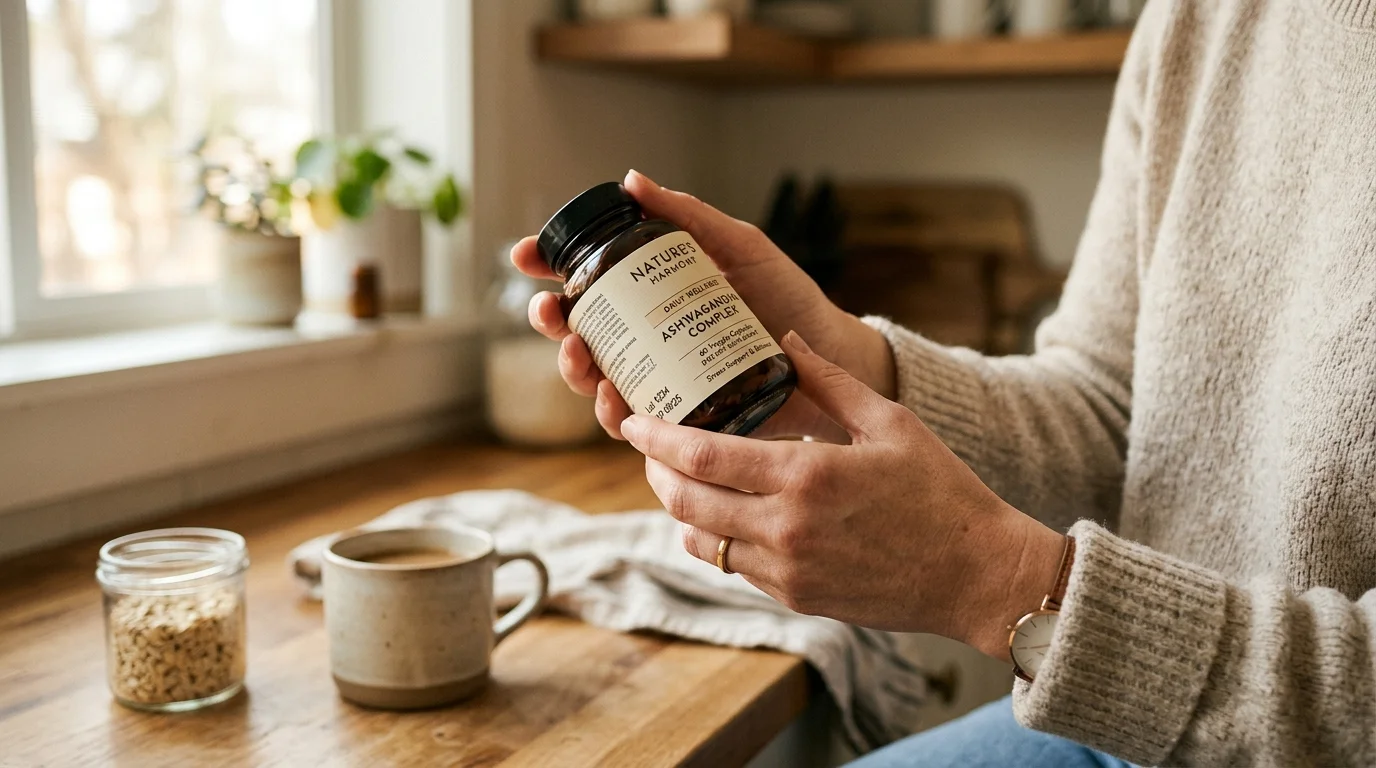
Supplements can't legally claim to cure, treat, or prevent any disease. If a product page says something like “eliminates joint pain” or “cures inflammation,” that company is breaking FDA rules. And if a store allows those claims on its site, it's either careless or deliberately misleading.
Honest supplement sellers use careful language: “supports joint health,” “may help with recovery.” It sounds less exciting, but it's the law. Pay attention to the difference.
Fake or Suspicious Reviews
Check the reviews closely. Red flags include dozens of five-star reviews posted within a few days, generic language that could apply to any product (“Great product, fast shipping!”), and reviewers who've only ever reviewed products from that same store.
A real review section includes some three- and four-star ratings, mentions specific results or complaints, and shows reviews spread across months or years. Perfect scores across the board are a warning, not a selling point.
No Return Policy (or a Hidden One)
Try to find the return policy before you buy. If it takes more than two clicks to locate, or if the policy is buried in a wall of legal text with tight restrictions, that tells you something. Confident sellers stand behind their products with clear, easy-to-find return windows.
Watch for restocking fees above 20%, return windows shorter than 14 days, and policies that only accept unopened products. You can't know if a supplement works without opening it.
Green Flags of a Legit Supplement Store
Now flip it around. These are the signs that a store takes quality seriously.
USP or NSF Certification on Products
A store that stocks products with USP, NSF, or similar certifications is telling you it values verified quality. These certifications aren't cheap or easy to get. Companies pay for regular testing, and their manufacturing facilities get inspected. When you see those marks, someone outside the company has confirmed the product is clean and accurately labeled.
Transparent Labels With Full Doses
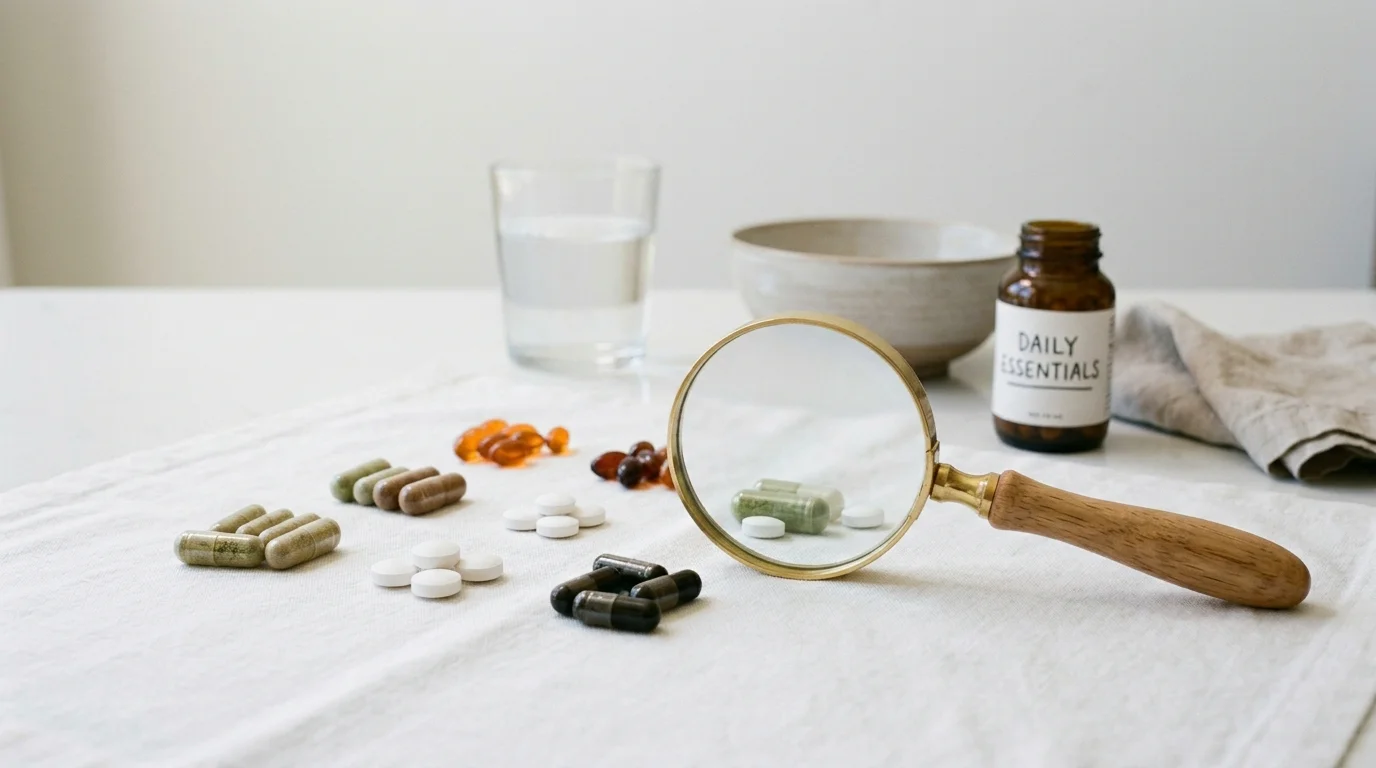
Every ingredient should have a milligram amount next to it. No “proprietary blends,” no mystery doses. You should be able to look at a label and know exactly what you're putting in your body. Stores that carry brands with full-disclosure labels are curating for quality.
Real Customer Service
Can you actually talk to someone? A legit store has a phone number, email, or live chat with real humans behind it. Before you place a big order, test it. Send a question about a product and see how fast you get a response and whether the answer is specific or copy-pasted.
Bonus points if the store has staff who can explain ingredient interactions or help you pick between similar products. That's a sign the operation is run by people who actually know supplements, not just dropshippers.
A Clear, Fair Return Policy
Good stores put their return policy on a dedicated page, written in plain English. Look for at least a 30-day window, the option to return opened products (with reasonable use), and a refund process that doesn't require three emails and a notarized letter.
What a Legit Store Actually Looks Like
Aurox Health is a good example of what to expect from a trustworthy supplement store. They carry products with third-party testing, list full ingredient doses on every label, and have a straightforward return policy you can find in about two seconds.
Their product pages include detailed breakdowns of what's in each supplement and why it's there. That matters. A store willing to educate you about ingredients is a store that doesn't need to hide behind vague marketing language.
They also have an actual customer service team that responds to questions. That might sound like a low bar, but in the supplement space, it's not. Plenty of online stores make it nearly impossible to reach a real person.
Quick Checklist Before You Buy
Run through these questions before you hand over your credit card:
- Does the product carry a USP, NSF, or other third-party certification?
- Can you see the exact dose of every ingredient on the label?
- Does the store make any health claims that sound too good to be true?
- Do the reviews look real, with a mix of ratings and specific details?
- Can you find the return policy in under 30 seconds?
- Is there a way to contact a real person (phone, email, or chat)?
If a store passes all six, you're in good shape. If it fails more than two, keep looking.
What About Amazon and Big Retailers?
Buying supplements on Amazon isn't automatically safer. Third-party sellers on Amazon have been caught selling counterfeit supplements, and the marketplace model makes it hard to verify what you're getting. Even when the listing looks official, the product might come from a different warehouse than you'd expect.
Big-box stores like Costco and Walmart generally carry tested brands (Kirkland Signature supplements, for example, are USP-verified). But their staff usually can't help you choose between products. If you want guidance along with good quality, a dedicated supplement store with knowledgeable staff is a better fit.
Your Next Step
Pick one supplement you're currently taking and run it through the checklist above. Check the label for a third-party testing seal, look up the brand's testing practices, and make sure you can see the exact dose of every ingredient. If it doesn't pass, it's time to switch to a brand that does. Your body is doing the work with whatever's in that bottle, so make sure you know what that actually is.