Home Depot garden centers start filling up with plants, soil, and seeds in early March. But what you should buy right now depends on where you live and your USDA hardiness zone.
Buy the wrong thing too early and a late frost kills it. Wait too long on the right thing and the best stock sells out.
Here's what's worth grabbing in March and what to leave on the shelf for a few more weeks.
What Home Depot Stocks in March
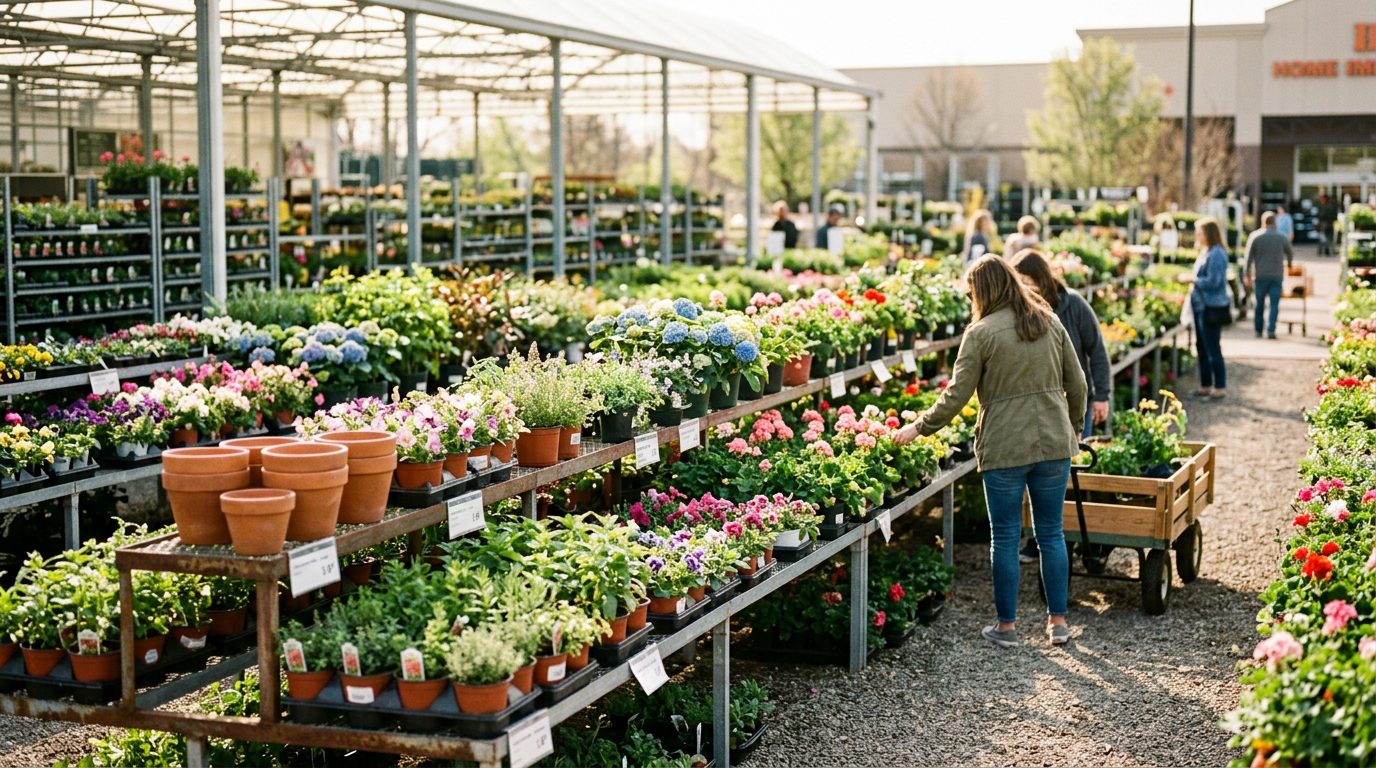
By mid-March, most Home Depot garden centers carry cool-season vegetables, herb starts, seed packets, bare-root trees and shrubs, potting soil, mulch, fertilizers, and early-blooming perennials like pansies and primroses. Southern stores may already have warm-season plants like tomatoes and peppers on the shelves.
The exact selection varies by region. Home Depot works with local growers and times deliveries to match your area's planting season. A store in Atlanta will look different from one in Chicago in early March.
Zones 5-6: Focus on Cool-Season Crops and Prep Work
If you're in Zones 5-6 (parts of the Midwest, Northeast, and Mountain West), your last frost date is typically mid-April to mid-May. March is too early for most outdoor planting, but it's the right time to buy a few key things.
Buy now:
- Seed packets for cool-season crops like lettuce, spinach, kale, peas, and radishes. Start them indoors or in a cold frame.
- Seed starting kits, trays, and grow lights. These sell out fast once gardening season picks up.
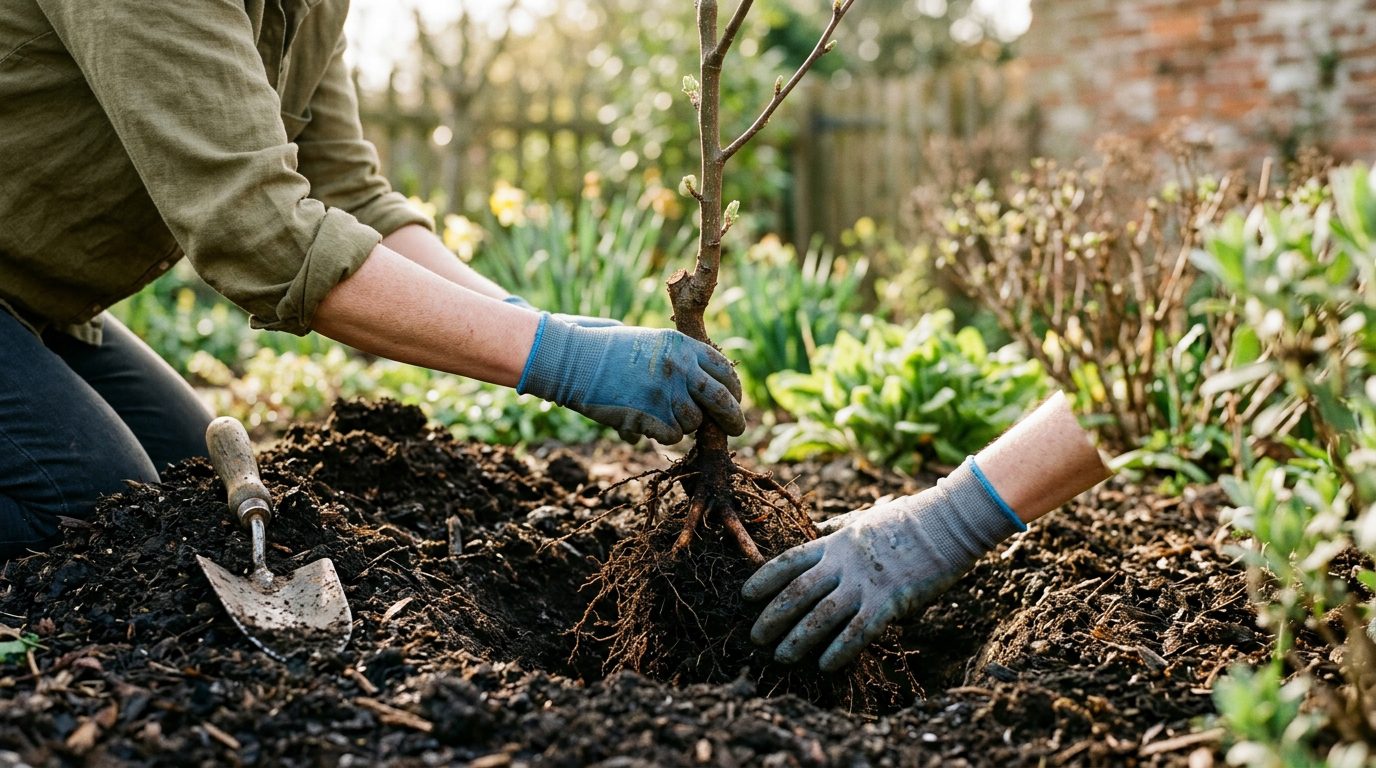
- Bare-root trees and shrubs. March is ideal for planting bare-root fruit trees, roses, and berry bushes while they're still dormant. Home Depot carries apple, pear, peach, and blueberry varieties in bare-root form.
- Potting soil and compost. Prices on soil are often lowest in early spring before peak demand.
- Pansies and violas. These handle frost and give you color weeks before anything else blooms.
Skip for now:
- Tomato and pepper starts. Even if your store has them, it's too early. A single frost night will kill them.
- Tropical houseplants displayed outdoors. They've been sitting in cold loading docks and may already be stressed.
- Annual flowers like impatiens and petunias. Wait until after your last frost date.
Zones 7-8: You Can Start Planting
Zones 7-8 cover much of the Southeast, Mid-Atlantic, and parts of the Pacific Northwest. Your last frost is usually late March to mid-April, which means March is prime planting time for a lot of crops.
Buy now:
- Cool-season vegetable starts: broccoli, cabbage, cauliflower, lettuce, and kale transplants can go straight in the ground.
- Herb starts like cilantro, parsley, and dill. These prefer cooler weather and bolt once it gets hot.
- Shrubs and perennials. Azaleas, hydrangeas, and knockout roses are in stock and ready to plant. Getting them in the ground now gives roots time to establish before summer heat.
- Strawberry plants. March is the ideal planting window in these zones.
- Mulch. You'll want 2-3 inches around beds to retain moisture as temps climb. Home Depot runs mulch sales in early spring, often 5 bags for $10.
Wait a few weeks on:
- Tomatoes and peppers. Late March might work in Zone 8, but Zone 7 gardeners should wait until mid-April to be safe.
- Basil. It's cold-sensitive and won't thrive until nighttime temps stay above 50°F consistently.
Zones 9-10: Almost Everything Is Fair Game
If you're in Southern California, South Florida, South Texas, or similar warm climates, March is the heart of your growing season. Frost risk is behind you, and you want to get warm-season crops in before the real heat arrives.
Buy now:
- Tomato, pepper, cucumber, and squash starts. Plant them now and you'll be harvesting by late May.
- Herbs: basil, rosemary, oregano, and thyme all go in the ground now.
- Citrus trees. Home Depot stocks Meyer lemon, key lime, and orange trees in these zones. March planting gives them a full growing season to establish.
- Tropical plants and palms for landscaping.
- Drip irrigation kits. Set them up now before the dry season starts. Home Depot carries kits from brands like Rain Bird and Orbit for under $30.
Skip:
- Cool-season crops like lettuce and spinach. They'll bolt quickly as temps rise in April.
- Fall-blooming perennials. Save those for September.
Home Depot's Plant Guarantee
Most shoppers don't know about this. Home Depot guarantees trees, shrubs, and perennials for one full year from the date of purchase. If the plant dies within 12 months, bring it back with your receipt for a replacement or store credit.
Annuals and vegetables have a shorter 90-day guarantee. Keep your receipt or look up the purchase in your Home Depot account online.
This guarantee makes March a lower-risk time to try new shrubs or fruit trees. If a late cold snap kills a newly planted tree, you're covered.
Mulch and Soil: Bags vs. Bulk Delivery
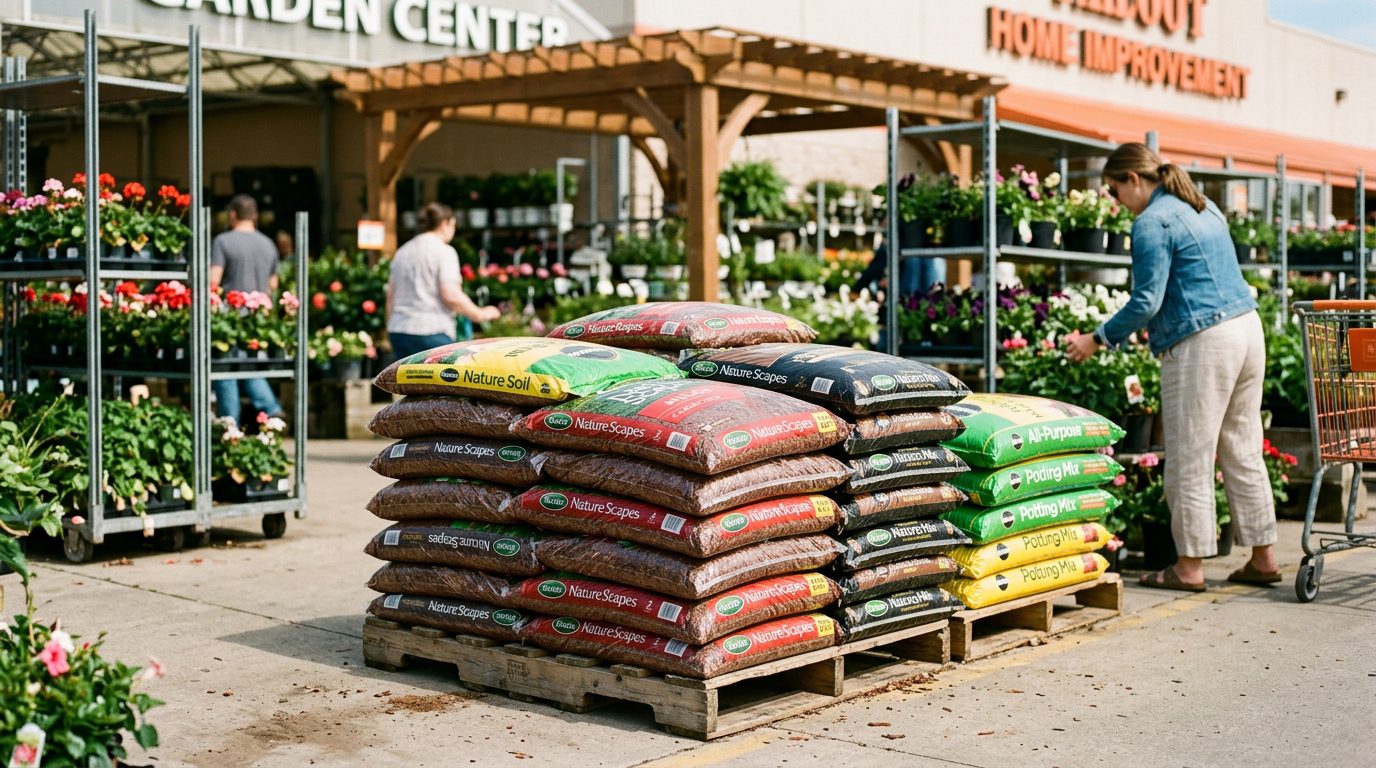
For small beds, bagged mulch from Home Depot is convenient and often on sale in March. The spring sale typically runs 5 bags for $10, with each bag holding 1.5 cubic feet.
If you need more than 15-20 bags, look into bulk delivery instead. Home Depot offers bulk mulch delivery by the cubic yard in many markets. One cubic yard covers about 100 square feet at 3 inches deep. The per-yard price for bulk delivery is often cheaper than buying the equivalent in bags, and you skip the hassle of loading 30 bags into your car.
Ask at the garden center register or the Pro Desk about bulk pricing and delivery availability for your zip code.
What to Buy Online vs. In Person
Some garden center items are better bought in-store, and some are easier to order online.
Buy in-store: Any live plant. You want to see the plant's condition before buying. Check for yellowing leaves, root-bound containers, and signs of pests. The healthiest plants in any shipment go fast, so get there within a day or two of the store's weekly plant delivery (ask an associate which day that is).
Buy online: Soil, mulch, fertilizers, pots, garden tools, and irrigation supplies. These are heavy, and Home Depot offers free delivery on orders over $45. Save your back and your car's trunk.
Your March Garden Checklist
Look up your USDA hardiness zone if you don't know it (the USDA's plant hardiness zone map is free online). Buy what matches your zone from the lists above. Start seeds indoors if you're in a colder zone, and pick up bare-root trees before they leaf out and get potted at higher prices. Keep your receipt for that one-year guarantee.