- We compared prices on 50 common items across Sam's Club and Costco. Sam's Club won on 22 items, Costco won on 24, and 4 were basically a tie. The overall price difference was less than 3%.
- Sam's Club wins on technology and convenience (Scan & Go, app experience, free curbside for Plus members). Costco wins on product quality, store experience, and the food court.
- Your choice should come down to two things: which store is closer to you, and whether you value convenience features or product curation more.
The Membership Cost Breakdown
Let's start with what you're paying just to walk through the door.
Sam's Club
- Club: $50/year (includes one household card)
- Plus: $110/year (adds 2% cashback up to $500/year, free curbside, free shipping, early hours, free generic prescriptions)
Costco
- Gold Star: $65/year (includes one household card)
- Executive: $130/year (adds 2% cashback up to $1,250/year)
Winner: Sam's Club. It's $15 cheaper at the basic level and $20 cheaper at the premium level. But here's what matters more: Costco's Executive cashback cap is $1,250 versus Sam's Club's $500 cap. If you spend more than $25,000/year at a warehouse club, Costco's higher cap gives you more back. For most families spending $5,000 to $10,000 annually, the cashback difference is small, and Sam's Club's lower fee saves you money upfront.
The 50-Item Price Comparison
We compared prices on 50 commonly purchased items across both stores. These included pantry staples, cleaning supplies, paper products, dairy, meat, snacks, beverages, and personal care products. All prices were checked in-store in the same metro area within the same week.
Here's the summary:
- Sam's Club was cheaper on 22 items (44%)
- Costco was cheaper on 24 items (48%)
- 4 items were within $0.50 of each other (essentially a tie)
The average price difference across all 50 items was 2.7%, with Costco slightly ahead. On a $5,000 annual spend, that translates to roughly $135 per year. Not nothing, but not a dramatic gap either.
Where Sam's Club Was Consistently Cheaper
- Paper products: Member's Mark paper towels and toilet paper undercut Kirkland by 8% to 12% per unit
- Diapers and baby products: Member's Mark diapers are notably cheaper than Kirkland diapers, with comparable quality
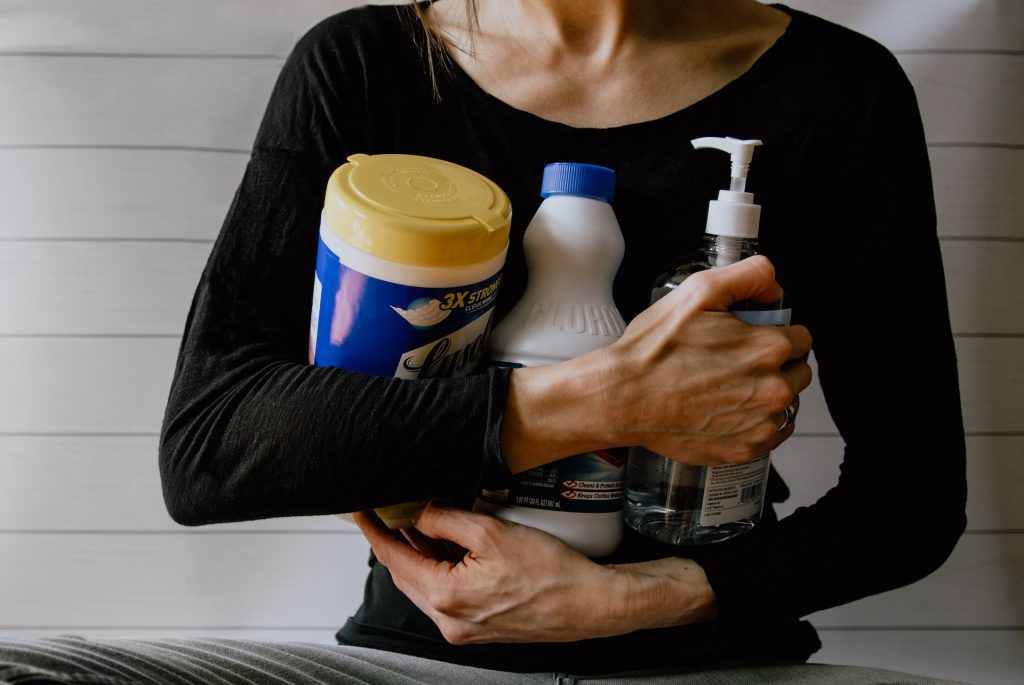
- Cleaning supplies: Laundry detergent, dish soap, and all-purpose cleaners were lower at Sam's Club across the board
- Bottled water: Sam's Club wins by a few cents per bottle, which adds up in bulk
- Gas: Sam's Club gas prices are typically 3 to 8 cents cheaper per gallon than Costco in the same market
Where Costco Was Consistently Cheaper
- Meat and poultry: Costco's organic chicken, ground beef, and steak prices were lower, and the quality was noticeably better
- Dairy: Milk, cheese, butter, and eggs were slightly cheaper at Costco
- Produce: Costco's organic produce selection is larger, and prices on organic items were 5% to 10% lower
- Snacks and specialty items: Costco carries more premium and organic snack brands at competitive prices
- Alcohol: Kirkland Signature spirits and wines are legendary for quality at low prices. Sam's Club doesn't compete well here.

Kirkland Signature vs. Member's Mark: The Private Label Battle
This is where the comparison gets interesting. Both warehouse clubs have invested heavily in their private-label brands, and both are good. But they're good in different ways.
Kirkland Signature (Costco)
Kirkland is one of the most trusted private-label brands in America, and for good reason. Costco is famously picky about what gets the Kirkland name. Their olive oil is sourced from the same producers as high-end Italian brands. Their vodka is rumored to come from the same distillery as Grey Goose (Costco denies this, but the quality is undeniable). Their diapers, batteries, and laundry pods all perform at or near the top of independent consumer tests.
Kirkland's strength is consistency. You almost never buy a Kirkland product and feel disappointed. That kind of trust is rare in private-label brands.
Member's Mark (Sam's Club)
Member's Mark has improved dramatically since Sam's Club consolidated all their private labels under one name. The quality on staples (paper products, cleaning supplies, diapers, basic pantry items) is very close to Kirkland. In some categories, like diapers and paper towels, Member's Mark actually edges ahead on price while maintaining comparable quality.
But Member's Mark doesn't have the same consistency across all categories. Their food products are more uneven. Some items taste great, and others feel like generic store-brand knockoffs. The gap is most noticeable in specialty items like coffee, olive oil, and snacks, where Kirkland's sourcing and quality control are clearly superior.
Winner: Kirkland, but by a smaller margin than most people think. If you're buying staples (paper, cleaning, diapers), Member's Mark gives you Kirkland-level quality at lower prices. If you're buying food (especially specialty food), Kirkland is more reliable.
The Shopping Experience
Store Layout and Atmosphere
Costco stores feel intentionally designed. The layout encourages browsing, the lighting is clean, and there's a sense of discovery in every aisle. The “treasure hunt” effect is real. People go in for toilet paper and leave with a kayak and a cashmere sweater. That's not an accident.
Sam's Club stores feel more like what they are: big-box warehouses. The layout is functional but not inspiring. The lighting is harsher. The signage is more basic. You'll find what you need, but you won't enjoy the browsing experience the way you might at Costco. This is a genuine difference that affects how people feel about their membership.
Winner: Costco, clearly.
Digital Experience and Technology
This is where Sam's Club runs away with it. The Sam's Club app is significantly better than Costco's app. Scan & Go alone puts Sam's Club years ahead in the checkout experience. You scan items with your phone as you shop, pay in the app, and walk out. No lines. No fumbling with a self-checkout machine. No waiting behind someone writing a check (yes, people still do that at Costco).
Costco's app lets you order online and browse deals, but the in-store experience is still entirely analog. Costco doesn't even accept mobile payments at all registers in every location. Sam's Club fully embraced digital; Costco is dragging its feet.
Sam's Club also offers better curbside pickup (free for Plus members) and a more functional online shopping experience. If you value convenience and don't want to spend time in the store, Sam's Club makes it easier to get in and out.
Winner: Sam's Club, by a mile.
The Food Court Showdown
This might seem like a minor category, but warehouse club food courts have a cult following. And the difference here is stark.
Costco's food court is iconic. The $1.50 hot dog and drink combo has been the same price since 1985. The pizza is legitimately good (made fresh, not reheated). The chicken bake is a fan favorite. The acai bowl is surprisingly solid. And they added some newer items over the years that keep things interesting. Costco's former CEO reportedly told the food court team he'd “kill them” if they raised the hot dog price. That kind of commitment to value is why people love Costco.
Sam's Club's cafe is adequate. The pizza is okay. The hot dogs are okay. The menu is smaller, the portions are less generous, and the quality is inconsistent across locations. Nobody is driving to Sam's Club for the food court. It's there, and it's fine, but it doesn't inspire the same loyalty.
Winner: Costco, and it's not close.
Grocery Quality and Selection
Both clubs carry a limited selection compared to a regular grocery store (about 4,000 to 5,000 SKUs each). But how they use that shelf space differs.
Costco skews toward higher quality and more organic options. Their produce section has a bigger organic selection. Their meat department is known for quality, especially the USDA Prime beef and organic chicken. They carry more specialty and gourmet items, from imported cheeses to high-end chocolates.
Sam's Club focuses more on mainstream brands and value. You'll find plenty of staples, but fewer premium or organic options. Their meat quality is decent but a step below Costco's top offerings. If you shop primarily for standard American groceries (name-brand cereal, frozen meals, snacks, beverages), Sam's Club covers your needs well. If you lean toward organic, specialty, or gourmet items, Costco is the better fit.
Winner: Costco for quality and selection. Sam's Club for mainstream value shoppers.
Return Policies
Both warehouse clubs have generous return policies, but they work a bit differently in practice.
- Sam's Club: Most items can be returned at any time. Electronics have a 90-day window. They're generally reasonable and straightforward about returns.
- Costco: Same structure, with 90 days on electronics. But Costco has a well-earned reputation for going above and beyond. Stories of Costco accepting returns on items bought years ago are common. Their customer service at the returns desk tends to be more accommodating.
Winner: Costco, slightly. Both are excellent, but Costco's return desk experience is more consistently hassle-free.
Who Should Pick Sam's Club
- Budget-conscious families who want the lowest membership fee and the cheapest staples
- People who hate checkout lines and want the best in-store technology (Scan & Go is a real advantage)
- Prescription drug users who can benefit from the Plus membership's free generic program
- Gas-conscious drivers who want the cheapest fuel prices at the pump
- Anyone who lives closer to a Sam's Club than a Costco (there are about 600 Sam's Club locations and 600 Costco locations in the US, but they don't always overlap geographically)
Who Should Pick Costco
- Shoppers who prioritize food quality and want better meat, produce, and organic options
- People who enjoy the shopping experience and the treasure-hunt element of browsing
- Anyone who buys alcohol (Kirkland spirits and wine are unbeatable for the price)
- High-volume spenders who can take advantage of the higher Executive cashback cap ($1,250 vs. $500)
- Food court devotees (and there are more of you than you'd think)
The Bottom Line
Here's the truth: the price difference between Sam's Club and Costco is small enough that it shouldn't be the deciding factor for most families. On a $5,000 annual spend, Costco saves you about $135 more per year on product prices, but Sam's Club's lower membership fee ($15 to $20 less, depending on tier) eats into that gap. The net difference is probably $100 or less per year.
What should drive your decision is how you shop. If you want the fastest, most tech-forward warehouse club experience with no checkout lines and strong curbside pickup, Sam's Club is the better choice. If you care more about product quality, organic options, the food court, and the joy of discovering a random cashmere sweater on an end cap, Costco is your store.
For pure value on everyday staples, Sam's Club wins by a hair. For overall experience and food quality, Costco wins. And honestly, if there's one of each near your house, the smartest move might be to keep both memberships. The combined $115/year ($50 Sam's Club + $65 Costco) pays for itself in gas savings alone.