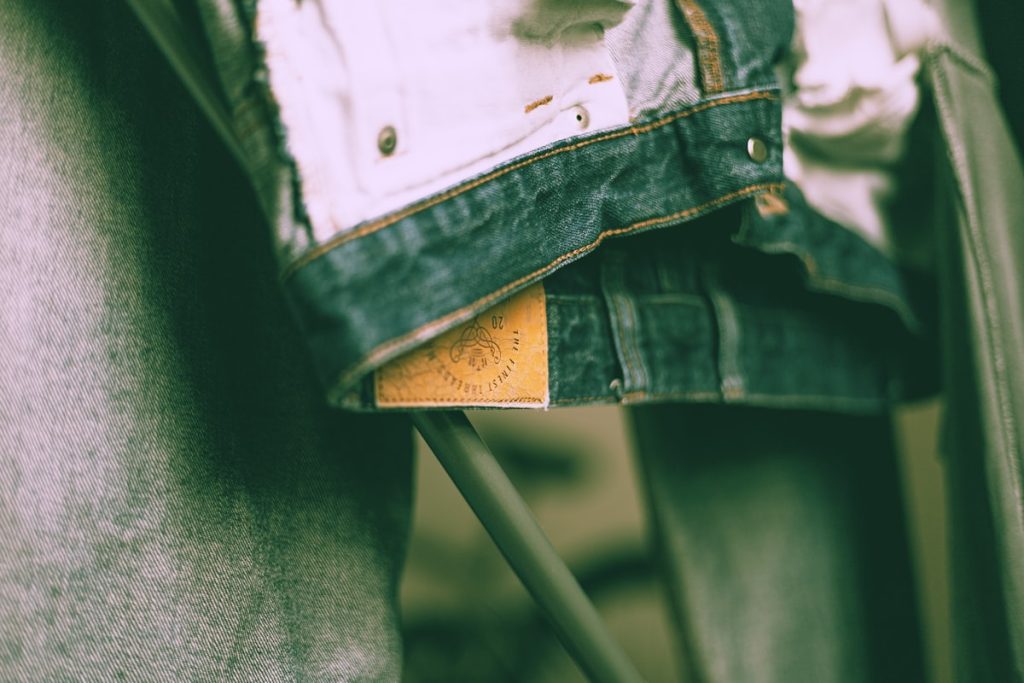
- Lucky Brand built its reputation on vintage-washed denim and LA cool, but quality has slipped since the brand changed hands multiple times.
- Jeans run $70 to $130 at full price, with the 410 Athletic Fit and 121 Heritage Slim as standout options. But durability complaints (especially crotch blowouts) are real and widespread.
- If you catch Lucky Brand on sale (and you should), the value equation changes. At full price, you can do better elsewhere.
What Lucky Brand Actually Is (And Isn't)
Lucky Brand launched in Los Angeles back in 1990. The founders, Gene Montesano and Barry Perlman, wanted to make jeans that felt like you'd owned them for years. That broken-in, soft, already-your-favorite-pair vibe. And for a while, they nailed it.
The brand became known for a few things: vintage-inspired washes, the cheeky “Lucky You” printed inside the fly, and a California-casual aesthetic that mixed denim with graphic tees, flannels, and leather accessories. Think classic Americana with a rock-and-roll edge.
But here's the thing. Lucky Brand isn't the same company it was ten years ago. Or even five. The brand filed for bankruptcy in 2020, got scooped up by SPARC Group (a joint venture between Authentic Brands Group and Simon Property Group), and has been running as a largely online operation with some outlet stores since then. The creative direction, the sourcing, the quality control. All of it shifted.
That matters because you're not buying from the same Lucky Brand your older brother wore in college. You're buying from a corporate holding company that licenses the name. Keep that in mind as we go through everything.
The Denim: What's Good and What's Not
Let's start with jeans, because that's what most people come to Lucky Brand for. The lineup covers men's and women's styles across a range of fits, washes, and stretch levels. Prices typically land between $70 and $130, depending on the style and fabric.
Men's Fits Worth Knowing
410 Athletic Fit: This is Lucky Brand's best-selling men's jean, and honestly, it's pretty good. Roomier in the thigh and seat, tapered through the leg. If you've got bigger thighs from lifting or just genetics, this is one of the better athletic fits on the market for under $100. Most pairs run $89.50 to $99.50.
121 Heritage Slim: A classic straight-to-slim cut that sits below the waist. It's their “heritage” fit, meaning it skews more traditional. Good for guys who want something fitted but not skinny. Expect to pay $79.50 to $99.50.
363 Vintage Straight: The relaxed option. Looser through the hip and thigh with a straight leg. Comfortable but can look a bit dated if you're not careful with the wash you pick. Priced around $79.50 to $89.50.
110 Modern Skinny: Their slimmest fit. Works for thinner builds, but the stretch fabric in these tends to bag out faster than the other cuts. Around $79.50.
Women's Fits Worth Knowing
Sweet Straight: Mid-rise, straight leg, and probably their most universally flattering women's cut. Runs $79.50 to $99.50.
Ava Skinny: Low-rise skinny that's been a staple for years. Fit is consistent, but the low rise isn't for everyone (and the trend has shifted toward mid and high rises). Around $79.50.
Easy Rider Bootcut: If you're into bootcuts, this one has a nice vintage silhouette. The stretch blends in these hold up better than some of the skinny options. Typically $89.50.
The Fabric and Construction
Most Lucky Brand jeans today use a cotton-polyester-elastane blend. The stretch is comfortable right out of the bag, and you don't need a break-in period. That's a plus. But it comes with a trade-off: durability.
Pure cotton denim (like what Levi's uses in its rigid options) lasts longer and develops a personal fade pattern over time. Lucky Brand's stretch blends tend to lose their shape faster, especially in the knees and waist. After 6 to 8 months of regular wear, you'll notice sagging. A cold wash and hang dry can reset them temporarily, but the elastic fibers break down over time.
The stitching is adequate but not exceptional. You won't see reinforced bartacking at stress points on most styles. And that brings us to the elephant in the room.
The Durability Problem (Let's Be Honest)
If you spend any time reading reviews of Lucky Brand jeans, you'll see a pattern. Crotch blowouts. Inner thigh wear. Seams splitting after a few months. This isn't a one-off complaint. It's a consistent theme across review sites, Reddit threads, and customer forums.
The issue is worse with the stretch-heavy styles and in jeans worn by people with thighs that touch (which is, frankly, most people). The inner thigh area takes a beating, and Lucky Brand's construction doesn't hold up to it the way heavier-weight denim does.
Some customers report getting only 4 to 6 months out of a pair before the fabric wears through. At $90 a pair, that's a terrible cost-per-wear ratio. For comparison, a pair of Levi's 501s in rigid denim can last 2 to 3 years with proper care.
This isn't universal. If you're lighter, don't wear them daily, or pick a heavier-weight option, you'll get more life out of them. But the durability complaints are too consistent to ignore. It's the single biggest reason to hesitate before buying Lucky Brand at full price.
Beyond Denim: The Rest of the Line
Lucky Brand sells more than jeans, though denim accounts for the bulk of their sales. Here's what else they offer and whether it's worth your attention.
T-Shirts and Graphic Tees
The graphic tees are actually a bright spot. Lucky Brand has always done well with vintage-inspired band tees, Americana graphics, and worn-in cotton basics. Prices range from $30 to $50. The fabric is soft, the fits are relaxed, and they look good with jeans (obviously). If you're going to buy one thing from Lucky Brand, a graphic tee on sale for $20 is a solid pickup.
Flannels and Button-Downs
Their flannel shirts run $60 to $90 and land in the “fine but not special” category. The fabric is mid-weight, the patterns are safe, and the fit is boxy on most styles. You can find better flannels from L.L.Bean or Faherty for similar money (or less, on sale).
Outerwear
Jackets and coats range from $100 to $250. The leather jackets look great on the website but use lower-grade leather that doesn't age well. The denim jackets are decent, especially in the classic trucker style. But at $120 or more, you're paying a premium for the Lucky Brand label on what's essentially basic construction.
Accessories
Belts, wallets, bags. These are largely forgettable. The leather goods are bonded or corrected-grain leather in most cases, and they won't hold up to daily use. Skip these unless you find them at 70% off or more.
Pricing and Where to Buy
Lucky Brand sells through their own website (luckybrand.com), their outlet stores, and third-party retailers like Nordstrom, Macy's, and Amazon. Here's how pricing breaks down across channels.
Full-price retail (luckybrand.com): Jeans $69.50 to $129.50. Tops $29.50 to $89.50. Outerwear $99.50 to $249.50. Sales happen frequently, and you should almost never pay full price.
Lucky Brand Outlets: Prices are 30% to 60% off “retail,” but many outlet items are made specifically for the outlet channel with cheaper materials. The labeling is different (look for three dots on the tag). Outlet-exclusive jeans start around $40 to $60.
Nordstrom / Macy's: Carries mainline Lucky Brand at standard pricing, but department store sales can stack with Lucky Brand promotions. Nordstrom Rack often has Lucky Brand at 40% to 50% off.
Amazon: Prices vary wildly. You can find older styles and discontinued washes for $35 to $60. Just double-check the seller and reviews, because Amazon's commingled inventory can sometimes mean you're getting returns or factory seconds.
Shipping, Returns, and Customer Service
Orders from luckybrand.com ship free on purchases over $50 (which is almost everything). Standard shipping takes 5 to 7 business days. There's no expedited option on most orders, which is frustrating if you need something fast.
Returns are accepted within 30 days of delivery with tags attached. You'll get a prepaid return label, but there's a $7.50 deduction from your refund for the shipping cost. That's annoying. If you're buying from a physical store or outlet, you can return in-store for free.
Customer service is hit or miss. The post-bankruptcy transition left the support team understaffed, and response times can be slow. Email inquiries sometimes take 5 to 7 business days for a reply. Phone support is available but limited. If you have a problem, going through the retailer (Nordstrom, Macy's) rather than Lucky Brand directly tends to be easier.
Who Lucky Brand Is Actually For
Lucky Brand works best for a specific type of shopper. Here's who should (and shouldn't) bother.
Good fit if you:
- Want that broken-in, vintage-washed look without having to break in raw denim yourself
- Need the 410 Athletic Fit specifically (it's genuinely one of the better athletic cuts under $100)
- Shop sales and clearance consistently (never paying more than $50 to $60 per pair)
- Like the California-casual aesthetic and want a complete outfit from one brand
- Prioritize immediate comfort over long-term durability
Not a good fit if you:
- Expect jeans to last more than a year of regular wear
- Want heavyweight, raw, or selvedge denim
- Have thick thighs and need reinforced inner-thigh construction
- Prefer to pay full price and get full-price quality
- Care about ethical manufacturing transparency (Lucky Brand is vague on this)
The Sizing Situation
Lucky Brand runs slightly large in the waist on men's jeans. If you're between sizes, go down. A 32 in Lucky Brand fits more like a 33 in Levi's. The inseam options are standard (30, 32, 34), which is fine for most people but limiting if you need a 28 or 36.
Women's sizing is fairly consistent within the brand, but the low-rise styles (like the Ava) can feel smaller in the waist than mid-rise options. If you're ordering online, check the size chart and read reviews for the specific style. Lucky Brand's fit varies more between styles than between sizes.
One tip: wash before deciding to keep or return. Lucky Brand's stretch denim loosens up after a few wears, and a cold wash will bring it back to its original size. If a pair feels slightly snug out of the bag, they'll probably be perfect after a day of wear.
The Sustainability Question
Lucky Brand makes some claims about sustainable practices, including using recycled fibers in select styles and reducing water usage in denim processing. But the brand doesn't publish a detailed sustainability report, and there's no third-party certification to verify most of their claims.
Manufacturing is done overseas, primarily in Asia and Central America. There's limited transparency about factory conditions or worker wages. If sustainability is a major factor in your purchasing decisions, brands like Everlane, Outerknown, or even Levi's (which publishes detailed supply chain data) are more forthcoming.
This isn't unique to Lucky Brand. Most mid-range fashion brands operate this way. But it's worth flagging for shoppers who care about this stuff.
The Bottom Line
Lucky Brand occupies an awkward middle ground. The jeans are comfortable from day one, the vintage aesthetic is genuine, and certain fits (the 410, the Sweet Straight) are legitimately good. But the durability issues are real, the full retail prices are hard to justify, and the brand's post-bankruptcy identity still feels like it's searching for solid footing.
The move here is to shop Lucky Brand on sale. At 40% to 50% off, a pair of 410 Athletic Fit jeans for $50 is a good deal. At full price ($90 or more), you're paying Madewell or premium Levi's money for construction that doesn't match. The graphic tees are a safe buy at any price point. Everything else is take-it-or-leave-it.
Lucky Brand is a sale-rack brand wearing a full-price label. Shop accordingly, and you'll get solid denim without the regret.